It’s that time of year again—graduation season! Seeing my social media feeds flooded with graduation photos brings back a flood of memories. It reminds me of my own graduation ceremony in Spain, which was less of a formal ritual and more of a grand farewell party. Today, I’ll share all the details as a guide for those about to graduate or anyone curious about Spanish university life.
First, let’s clarify one thing: the Spanish Acto de Graduación is a bit different from just ‘getting your diploma.’ It’s a very formal, ceremonial event meant to celebrate students’ academic achievements. However, what you receive at this ceremony is usually not your official degree certificate. The official certificate requires a separate, often lengthy, application process. What you are awarded at the ceremony is more of a commemorative diploma from the university and a sash (called a ‘banda’) bearing the university’s crest and your faculty’s color.
The Complete Ceremony Process
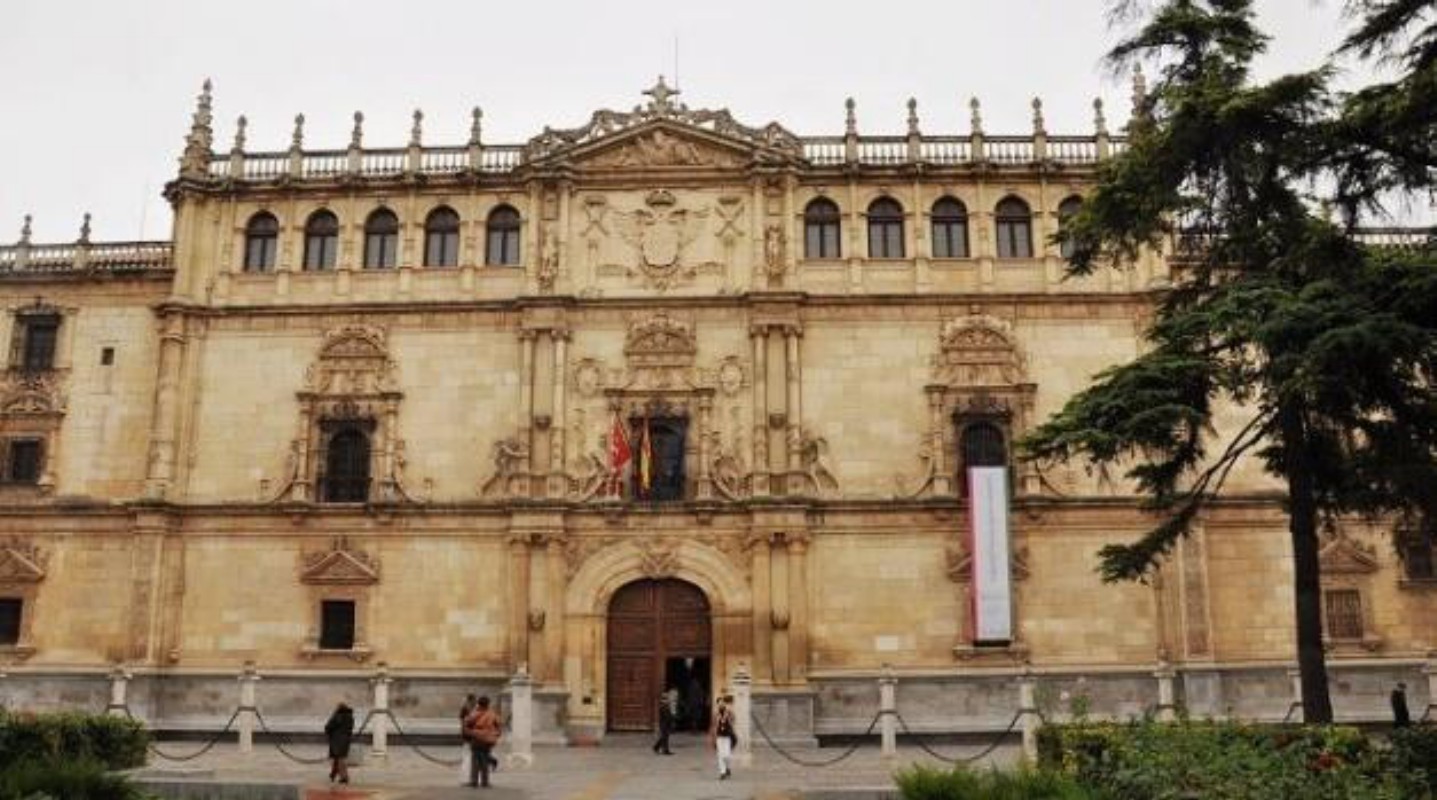
The entire ceremony is typically held in the university’s main hall (paraninfo) or a larger venue, lasting about two to three hours.
Procession and Speeches
The ceremony begins with everyone standing as the faculty, dressed in their academic robes, make a solemn procession into the hall—it’s quite a sight. This is followed by speeches from the rector (university president), the dean, and special guests, similar to what you’d find at Spanish master’s degree graduation ceremonies. While the speeches can sometimes be a bit long, they truly convey a sense of solemn academic tradition.
Awarding of Sashes and Calling of Names
This is the most exciting part of the ceremony, and it’s a key reason why the event is so cherished, unlike the experience at some Spanish universities that don’t have graduation ceremonies! The master of ceremonies calls out each graduate’s name, and you go up on stage one by one. The professors will place the significant sash on you and present the commemorative diploma. Walking off that stage, you feel an incredible sense of accomplishment. The highlight of this segment is often the speech by a student representative, who reflects on the university years with a mix of laughter and tears.
Dress Code and Traditions
Spaniards take dress codes for formal occasions like this very seriously, so everyone dresses to impress. It’s not just a sign of respect for the ceremony but also a way to create beautiful, lasting memories.
| Men’s Recommendations | Women’s Recommendations |
|---|
| Attire | A formal suit | A cocktail dress or an elegant pantsuit |
| Footwear | Polished dress shoes | High heels or sophisticated flats |
| Accessories | A tie or bow tie | Simple jewelry, a clutch bag |
That sash is key! Its color represents your field of study. For example, yellow is for Medicine, light blue for Arts and Humanities, orange for Economics, and so on. I’ve carefully treasured my sash since graduation, and it brings back so many memories every time I see it. Definitely don’t lose it
!
Post-Ceremony Celebrations
Think the ceremony is the end of it? NO! The real celebration is just beginning! After the ceremony, graduates typically take tons of photos with family and friends around campus. In the evening, many faculties organize a graduation dinner or a huge party. This is the moment to truly say farewell and celebrate with the classmates and friends you’ve spent years with!
A Spanish graduation ceremony is a grand ritual celebrating youth, academics, and farewells. It might be less sentimental than what you’d find in other cultures, but it’s filled with a unique blend of Spanish passion and solemnity. If you get the chance, you absolutely have to experience it! To all the students about to graduate, ¡Enhorabuena y mucha suerte!
