I recently saw someone ask if Barcelona is a European city, and to be honest, the question caught me by surprise at first. As someone who has lived in Barcelona for many years, I feel it’s worth discussing this topic from geographical, cultural, and political perspectives.
Unquestionably European by Geography
Barcelona is situated on the northeastern coast of the Iberian Peninsula, facing the Mediterranean Sea and backed by the Collserola mountain range. Geographically, the Iberian Peninsula is part of the European continent, so Barcelona is definitely in Europe. The city’s coordinates are approximately 41°N latitude and 2°E longitude, bordering southern France, with the French border only about 150 kilometers away.
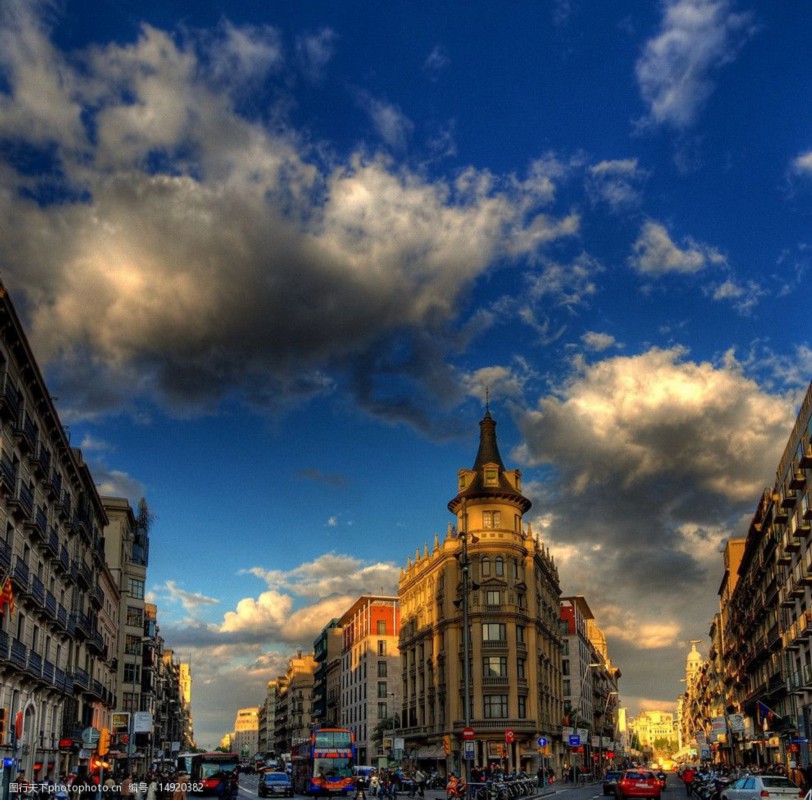
Geographical Comparison with Other Major European Cities
This table provides a clearer view of Barcelona’s geographical relationship with other European cities:
| City | Country | Latitude | Is it in Europe? |
|---|
| Barcelona | Spain | 41°N | Yes |
| Madrid | Spain | 40°N | Yes |
| Paris | France | 48°N | Yes |
| Rome | Italy | 41°N | Yes |
| Lisbon | Portugal | 38°N | Yes |
Political and Economic Integration
Barcelona is Spain’s second-largest city, and Spain is a member of the European Union. This means residents of Barcelona hold EU passports, use the Euro as their currency, and enjoy all the rights of EU citizens. You’ll find the Euro used everywhere, from local shops to hotels like the Eurostars Barcelona. From a political and economic standpoint, Barcelona is fully integrated into the European system.
The city’s economic structure is also typically European, with thriving tourism, technology, and financial services sectors. It has close commercial ties with other major European metropolises like Milan and Amsterdam. The annual Mobile World Congress, held in Barcelona, attracts tech companies from all over the globe.
The Complexity of Cultural Identity
It’s also important to mention the unique character of Catalonia, a topic you might explore while planning activities like Barcelona cruises. Barcelona is the capital of this autonomous community, which has its own language, cultural traditions, and historical identity. This distinct regional identity might cause confusion for some, perhaps those unfamiliar with local life beyond shopping at Barcelona supermarkets, but it doesn’t detract from its European status.
In fact, Europe itself is a continent of diverse cultures, and regional differences are a key part of what makes it unique. Barcelona’s architecture, cuisine, and lifestyle are all deeply marked by both Mediterranean and broader European civilizations. From Gaudí’s Sagrada Família to the medieval streets of the Gothic Quarter, everything reflects a rich European heritage.
Why Does This Question Arise?
The confusion might stem from several factors: differences in geographical education, a vague understanding of Europe’s borders, or stereotypes that equate ‘Europe’ solely with Northern or Western Europe. However, the geographical continent of Europe extends from the Atlantic Ocean to the Ural Mountains and from the Arctic Circle to the Mediterranean Sea, placing Spain and Barcelona firmly within its boundaries.
From any perspective, Barcelona is unequivocally a European city. It is not only geographically on the continent but is also fully integrated into the European framework politically, economically, and culturally. If you’re planning to travel or live in Barcelona, you can confidently consider it a key destination for exploring Europe.
