The Nationwide Craze for FC Barcelona in Spain
Having lived in Barcelona for nearly three years, what has struck me the most isn’t the Sagrada Família or the beaches, but the city’s almost fanatical love for its football team, Barça. On match days, the entire city’s atmosphere completely changes. People in blue and red jerseys are everywhere, and bars are packed with fans waiting for kickoff. This kind of city-wide participation in football culture is truly an experience you can’t find elsewhere.
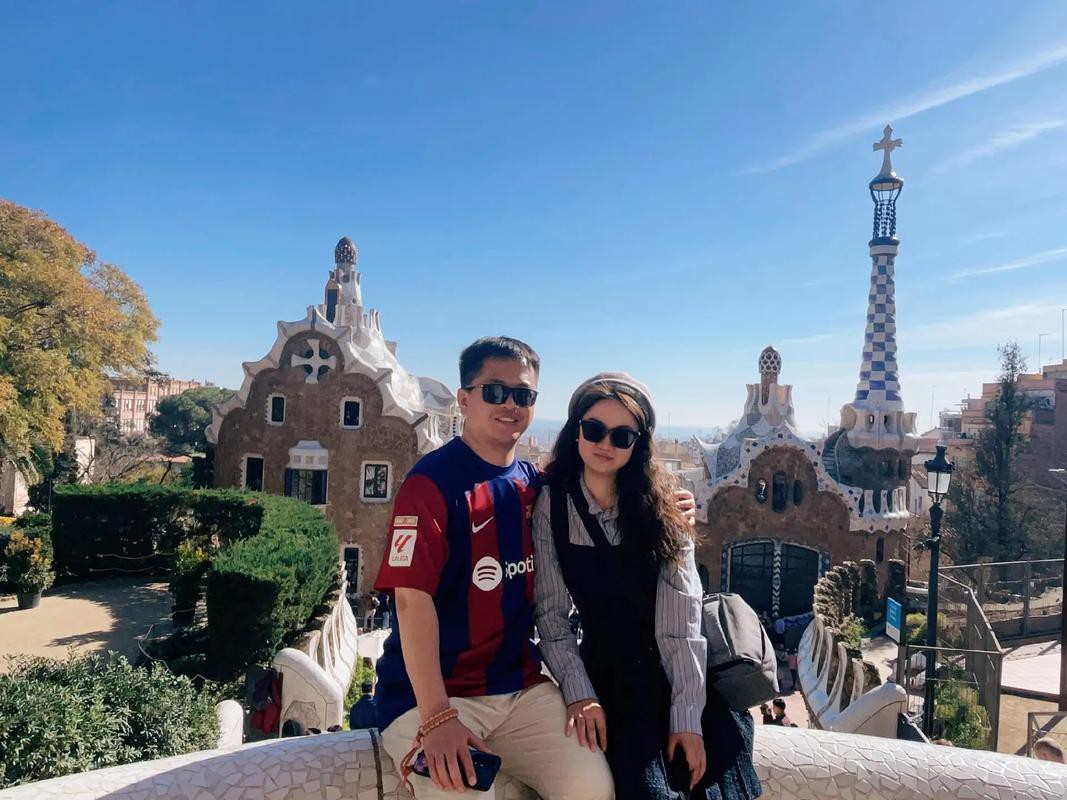
A Pilgrimage to Camp Nou
For Barça fans, often seen in their FC Barcelona jerseys, Camp Nou is not just a stadium; it’s more like a sacred temple. The stadium, which holds nearly 100,000 people, is almost always a full house for home games. The first time I watched a match live, I was completely overwhelmed by the electrifying atmosphere—the sound of over 90,000 people singing the team anthem in unison will truly give you goosebumps.
The atmosphere around the stadium is also fantastic. Several hours before the match, the nearby streets start to buzz with excitement. Vendors sell scarves and flags, and fans gather in groups at bars, discussing the lineup and tactics. This sense of ritual has become a part of life for the people of Barcelona.
Fan Culture Across Different Generations
Barça’s fan base is incredibly diverse, from seven or eight-year-old kids to seniors in their seventies or eighties, all seen cheering for the team in their jerseys. My downstairs neighbor, Carlos, who is 75, has been watching Barça matches since the 1960s. He often tells me stories about the Cruyff era, his eyes sparkling with excitement.
| Age Group | How They Watch | Characteristics |
|---|
| 18-35 | At the stadium or bars | Lively atmosphere, interactive |
| 36-55 | Family gatherings | Watch with their children |
| 55+ | At home or community centers | Experienced, deeply nostalgic |
Younger fans prefer watching matches in bars or at a friend’s house for a livelier atmosphere. Meanwhile, middle-aged fans often turn it into a family event, gathering around the TV with their children, which is also how they pass on the football culture.
A Cultural Significance Beyond Football
For many Catalans, Barça is more than just a football team; it’s a symbol of identity. “Més que un club” is not just an empty slogan. During certain periods in history when the Catalan language was banned, Camp Nou became the only place where Catalan culture could be freely expressed.
This profound historical background gives the team a significance that far transcends sports. Even people who aren’t particularly interested in football will support FC Barcelona out of a sense of cultural identity. I know some friends who usually don’t watch football at all, but when it’s time for El Clásico the Barça vs. Real Madrid match, they are glued to their screens.
My Observations and Feelings
Honestly, I didn’t know much about football when I first arrived. But influenced by this city-wide passion, I now follow the match results and go to bars on game days to soak in the exhilarating atmosphere. What this city has taught me is that football can be a way of life, a social bond, and a form of cultural heritage.
Every time I see strangers high-fiving on the street after a win, or everyone in a bar cheering together, I feel that this shared emotional connection is truly precious. FC Barcelona is deeply embedded in the city’s DNA, serving as a bond that connects people from different backgrounds and generations. If you ever come to live in Barcelona, I strongly recommend going to at least one live match to see the legendary FC Barcelona’s lineup in action; the experience is one of a kind.
