While recently browsing reports from several major German media outlets, I noticed their consistently high level of interest in Barcelona. As someone who has experience living in Barcelona and travels frequently between Spain and Germany, I find the German perspective on the city quite fascinating and somewhat different from our own.
Football Perspectives
German sports media outlets like Kicker and Bild consistently provide extensive coverage of FC Barcelona. They pay special attention to Barça’s youth academy, considering La Masia one of Europe’s most successful. However, in recent years, German media has also been blunt in pointing out the club’s financial crisis, using very direct language. An article in Süddeutsche Zeitung last year was titled “The Fall of a Giant,” analyzing how Barça went from being a top European powerhouse to being mired in debt.
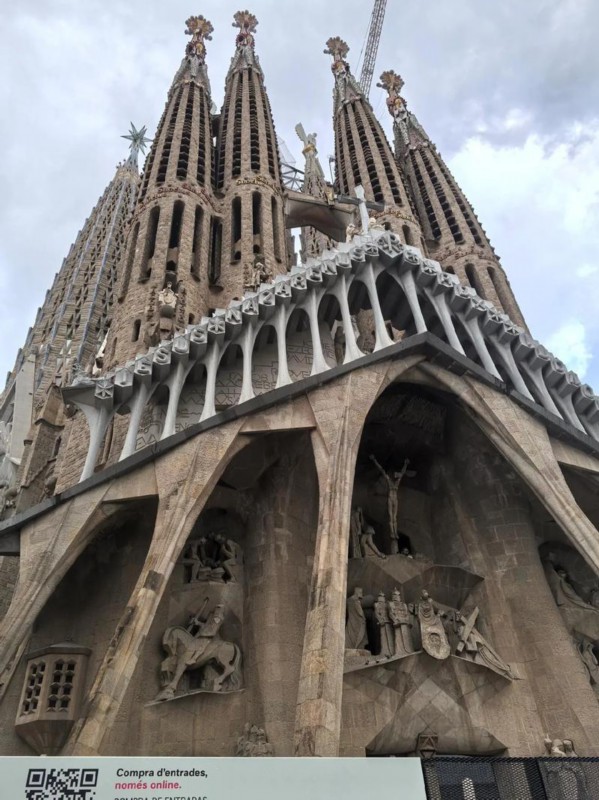
Urban Culture and Architecture
German architecture magazines hold Gaudí’s work in extremely high regard, often placing the Sagrada Família in the top three of their “must-see buildings in a lifetime” lists. A columnist for the cultural section of the Frankfurter Allgemeine Zeitung wrote a series of articles on Catalan Modernisme, calling Barcelona a “European museum of architecture”. They believe the city has perfectly preserved architectural styles from different historical periods, from the Gothic Quarter to the Eixample district, with each neighborhood possessing a unique charm.
| Focus of German Media | General Sentiment | Key Outlets |
|---|
| Football Club | Mixed (Praise and Criticism) | Kicker, Bild |
| Urban Architecture | Highly Praised | Frankfurter Allgemeine Zeitung |
| Political Situation | Cautious Observation | Der Spiegel |
| Tourism Value | Positively Recommended | Major travel magazines |
Politically Sensitive Topics
German media coverage of the Catalan independence movement has been relatively objective, though occasionally tinged with a typically German seriousness and didacticism. During the 2017 independence referendum, Der Spiegel published extensive in-depth reports attempting to explain the historical roots of the movement to its German readership. They described Barcelona as “an epitome of Europe’s identity crisis,” a statement that sparked considerable debate in German academic circles.
Observations on Quality of Life
Germans place a high value on quality of life indicators, making their city assessments particularly detailed. According to data from German expatriate websites, Barcelona scores highly on its climate, cultural activities, and cuisine, but loses points for bureaucratic inefficiency and language barriers. For more personal insights, one can look at perspectives like Nadal’s take on Barcelona. Interestingly, many German retirees choose to settle in the areas surrounding Barcelona, a demographic that German media has also covered in special reports.
Overall, the German media’s perception of Barcelona is multifaceted, filled with both praise and criticism. They appreciate the city’s cultural heritage and lifestyle but also analyze its problems with typical German rationality. As someone living here—and you can find other expat perspectives in articles like Lovren’s opinion on Barcelona—I find these external viewpoints quite valuable. They help us see our own city more objectively.
