I’ve been researching the art programs at the University of Barcelona recently and wanted to share some information and personal thoughts I’ve gathered. As one of the most important institutions of higher learning in the Catalonia region, the University of Barcelona offers a truly unique approach to art education.
Program Structure and Course Features
The University of Barcelona’s art programs are primarily housed within the Faculty of Fine Arts, offering Bachelor’s, Master’s, and PhD degrees. Core undergraduate majors include Fine Arts, Visual Arts and Design, and Conservation-Restoration. The curriculum places a strong emphasis on combining theory and practice. The first year typically covers mandatory subjects like art history, color theory, and basic drawing, while from the second year onwards, students can choose a specialization based on their interests.
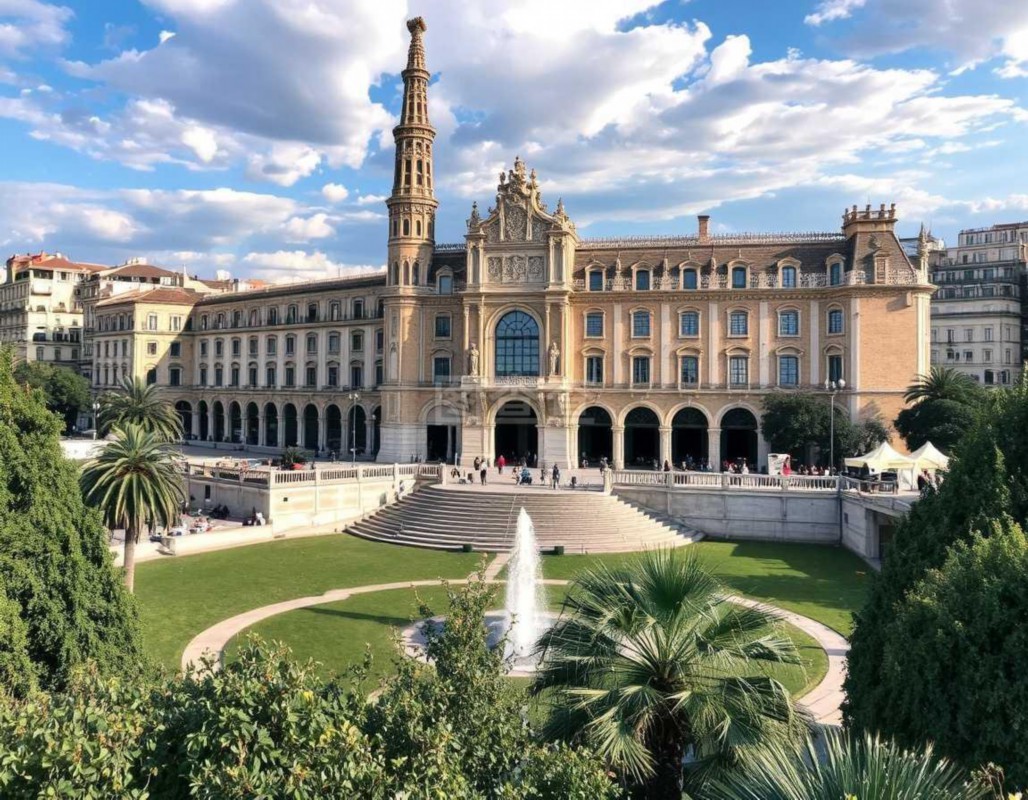
It’s worth noting that the university’s studio facilities are quite comprehensive. There are dedicated labs and creative spaces for various fields such as ceramics, printmaking, sculpture, and photography, which students can book for use. However, be aware that during peak times, you’ll need to book several days in advance. Additionally, the university collaborates with institutions like the Barcelona Museum of Contemporary Art (MACBA) and the Joan Miró Foundation, frequently organizing visits and workshops.
Faculty and Teaching Methods
The teaching staff includes many practicing artists and curators who are active in the industry. I’ve learned that some professors have had their work exhibited at major international events like the Venice Biennale and Documenta in Kassel. The teaching style is generally mentorship-oriented, encouraging students to develop their own artistic language rather than simply teaching techniques. Each semester includes a critique session where professors provide direct feedback. It can feel intense at first, but it is incredibly helpful for improving your creative work.
Application Process and Language Requirements
The application process differs for EU and non-EU students. Non-EU students need to have their qualifications validated through the national distance education university (UNED), a process that can take 2-3 months. When considering different art academies in Barcelona, be mindful of this step. Regarding language, while some master’s programs are taught in English, undergraduate courses are primarily in Catalan and Spanish. For admission to an art program in Barcelona, the university requires a DELE B2 certificate or an equivalent level of language proficiency. It’s advisable to start preparing for language exams at least a year in advance.
The portfolio is a crucial part of the application. It should typically include 15-20 pieces that showcase your creative process and technical skills. The university values originality and conceptual depth more than just technical perfection. I’ve heard of applicants being rejected because their portfolios were too derivative of famous masters.
Tuition and Living Costs
Here is a table with estimated annual costs:
| Item | Annual Cost (€) |
|---|
| Undergraduate Tuition | 2,500 - 3,500 |
| Master’s Tuition | 3,000 - 5,000 |
| Accommodation | 4,800 - 7,200 |
| Living Expenses | 6,000 - 9,000 |
| Art Supplies | 800 - 1,500 |
Tuition is significantly more affordable compared to the UK or the US, but rental costs in Barcelona have been rising in recent years. I’d recommend looking for accommodation in areas like Sants or Gràcia, which are not too far from the university and have relatively reasonable rents. The cost of art supplies varies greatly; if you work with installation or sculpture, your expenses will be considerably higher.
Campus Life and Career Development
The atmosphere at the Faculty of Fine Arts is quite liberal and open, with a very diverse student body. The faculty hosts an annual degree show and other yearly exhibitions, which are great opportunities to showcase your work and network. Barcelona itself is a city with a rich artistic scene, full of galleries and independent art spaces. Attending exhibition openings is a great way to get to know the local art ecosystem.
Career paths after graduation are varied. Besides becoming professional artists, many alumni work in museums, galleries, cultural institutions, or pursue careers in art education, graphic design, and other related fields. To be honest, the art world is very competitive, so it’s crucial to start building your portfolio and professional network while you’re still a student.
If you’re interested in contemporary art and want to experience Mediterranean culture, the University of Barcelona is an excellent choice. However, be prepared for challenges, from the language barrier to the creative pressure. Feel free to share your own thoughts or experiences!
