New to the forum, I’ve seen many people discussing studying and working in Spain. A recurring topic is: what’s the real ‘value’ of Spanish public universities? Are they ‘second-rate’ compared to top schools in the UK, US, Australia, or Canada? As someone who’s been through it, I’d like to share my perspective today. This is just my personal opinion, and I welcome everyone to join the discussion.
First, we need to break free from a common mindset: a good university isn’t just one in the QS Top 100. Many of Spain’s public universities have centuries of history and deep academic roots. Take the University of Salamanca, for instance—it’s one of the oldest in Europe. In fields like humanities, arts, architecture, and languages, Spanish public education is truly world-class. Many professors are leading figures in their industries; they just might not be focused on publishing papers in English to climb the rankings.
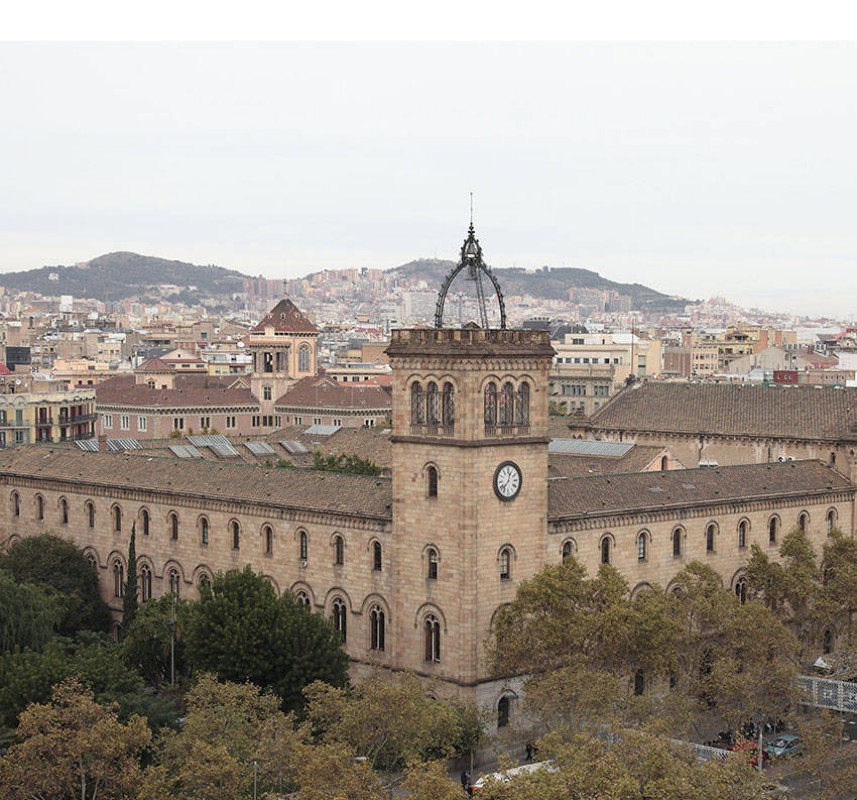
An Advantage You Can’t Ignore: Value for Money
When talking about value, we have to talk about money. This is perhaps the biggest highlight of Spanish public universities. Compared to the tuition fees in the UK or the US, which can easily cost tens of thousands of euros per year, the fees for bachelor’s and official master’s degrees at Spanish public universities are a real bargain. In most regions, the annual registration fee for a public university is only one or two thousand euros, and it can be even lower for some programs. Getting a solid European higher education and an officially recognized EU degree at such a low cost offers truly unbeatable value for money.
Different universities also have their own flagship programs. Here’s a simple table of some popular universities to give new members a quick overview:
| University | Examples of Strong Programs | City |
|---|
| Complutense University of Madrid | Humanities & Social Sciences, Journalism, Pharmacy | Madrid |
| Autonomous University of Barcelona | Translation & Interpreting, Veterinary Science, Economics | Barcelona |
| Pompeu Fabra University | Economics, Business, Political Science | Barcelona |
| University of Granada | Translation & Interpreting, Arabic Studies, Fine Arts | Granada |
We also need to be objective about the downsides. The ‘value’ of the Spanish public system, a topic often explored in Spanish university value rankings, lies more in its academic and educational quality and its recognition within Spain and the EU. If your plan is to return to your home country to work for major tech companies or certain top multinational firms, a degree from a Spanish university might not be as effective a ‘door-opener’ as one from a top UK or US school. However, if you intend to build a career in Spain or work in fields related to the Spanish language, arts, or tourism, the value of this degree is entirely different. Ultimately, there’s no absolute ‘good’ or ‘bad’; what matters is whether it aligns with your career path. What do you all think? What’s your take on the value of Spanish public universities? Let’s discuss!
