A Guide to Giving Birth in Spanish Hospitals
In Spain, whether you are a local resident or an expectant mother from abroad, giving birth in a hospital is the most common choice. The healthcare system here, which you can read more about in these childbirth experiences in Spain, is dominated by public and private hospitals with standardized procedures and a high overall quality of maternity care. Today, I’d like to share some experiences and practical advice on giving birth in a Spanish hospital to help you prepare.
Preparations Before Giving Birth
Before giving birth, you’ll need to have prenatal check-ups. In Spanish public hospitals, you can book appointments through your family doctor for regular ultrasounds, blood tests, and more, which are either free or available at a low cost. Private hospitals offer quicker appointments but at a higher price. Hospitals usually recommend that expectant mothers familiarize themselves with the facility beforehand and pack all necessary items.
A Brief Overview of the Childbirth Process in Spanish Hospitals
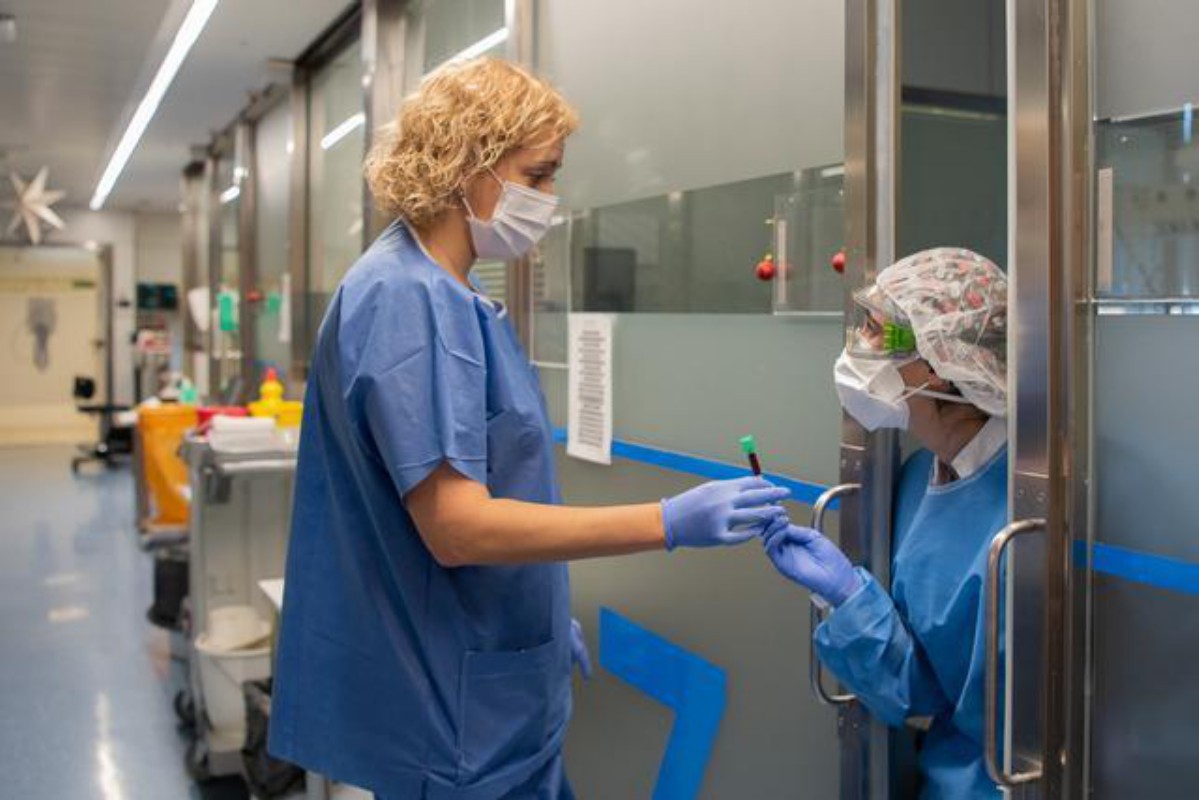
Generally, when labor begins, you will first register at the hospital’s delivery reception area, where doctors will assess your contractions and the baby’s condition. You will then be moved to a labor room for monitoring of the baby’s heartbeat and contraction intensity. During labor, the hospital offers epidural anesthesia to help manage pain. After delivery, the baby will undergo an initial examination, and both mother and child will be transferred to a postnatal ward to rest and recover.
| Timeline | Key Stage |
|---|
| Arrival at the hospital during labor | Admission and registration |
| Labor period | Monitoring fetal heart rate, contractions, and preparing for delivery |
| Delivery period | Mother gives birth with medical assistance |
| Postnatal care | Health checks and recovery for mother and baby |
Costs and Health Insurance Coverage
In Spain, expectant mothers with a residence permit are entitled to free maternity services at public hospitals. This generally covers prenatal check-ups, delivery, and hospital stay with little to no extra cost. The cost at private hospitals varies depending on the services provided, with the total delivery fee typically ranging from €2,000 to €5,000. It is advisable to choose a hospital based on your personal circumstances.
Common Things to Note During Delivery
Timely Admission: When you experience regular contractions and your water breaks, it’s recommended to go to the hospital promptly to avoid missing the optimal time for delivery.
Communicate Your Needs: During childbirth, feel free to express your needs for pain relief, induction, or other assistance to your doctor or midwife. They will usually provide help based on your situation.
Companionship Arrangements: Most hospitals allow a family member to be present during delivery. It’s best to check your hospital’s policy in advance and prepare accordingly.
Summary
The maternity care system in Spanish hospitals is well-developed, ensuring the safety and comfort of both mother and baby. As long as you prepare thoroughly, understand the process, and choose a suitable hospital, giving birth doesn’t have to be complicated. I hope this sharing is helpful for those looking into “giving birth in Spanish hospitals.”
If you have any specific questions, feel free to discuss them here!
