As one of Spain’s most captivating cities, Barcelona attracts many people looking to buy property. If you’re considering a purchase, it’s crucial to understand the application requirements for buying property in Spain and the overall process, especially if you are also interested in the property requirements for Spanish immigration. 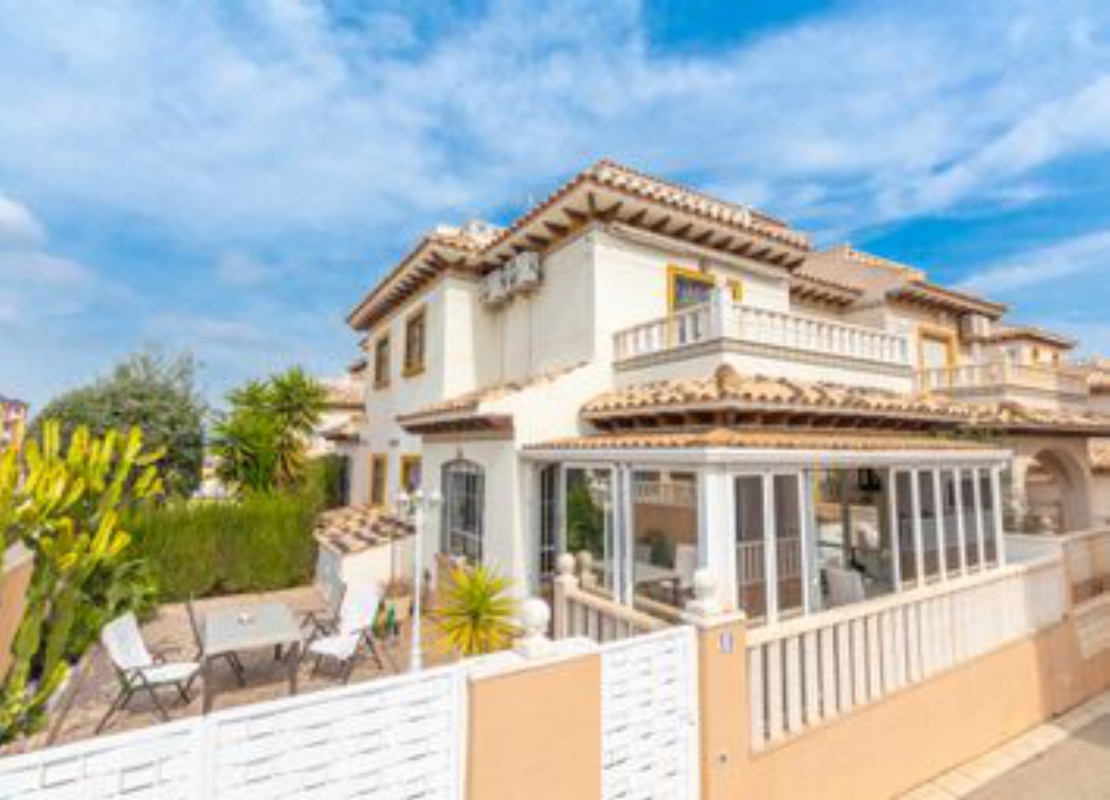
# Eligibility and Residency Status
There are no restrictions on who can buy property in Barcelona; both Spanish residents and foreigners are eligible. However, non-EU residents may face stricter bank reviews when applying for a mortgage and will typically need to provide more extensive financial proof related to the residency requirements for buying property in Spain. It’s important to note that purchasing property does not automatically grant residency rights, a crucial point for those planning to live here long-term.
## Financial Preparation and Tax Overview
It is generally recommended to prepare a down payment of 20%-30% of the property price. In addition to this, you must also account for extra taxes and fees:
| Tax Type | Rate | Description |
|---|
| Property Transfer Tax (ITP) | 10%-11% | Levied on the property’s purchase price |
| Notary Fees | 0.5%-1% | Costs related to formalizing the purchase deed |
| Land Registry Fees | 1%-1.5% | Fees required for registering the property transfer |
When these costs are factored in, the total purchase price will be significantly higher than the listed price, so it’s essential to budget for them in advance.
<size=110>Helpful Tip: When purchasing a new property, the Value Added Tax (VAT) is approximately 10%, which is different from the Property Transfer Tax.</size>
# Mortgage Applications and Key Points
Most banks offer non-resident buyers loans covering 60%-70% of the property value, with interest rates fluctuating based on market conditions and individual financial standing. The mortgage process includes an income verification, credit assessment, and property registration. It’s advisable to prepare documents like bank statements and tax returns in advance and to consult with multiple banks to compare their offers before applying.
Banks typically require applicants to have a stable source of income and a tax registration record in Spain (the NIE number), which is a critical step for non-residents to prepare.
# Choosing an Area and Property Type
Property prices vary significantly across Barcelona’s districts. Central areas like Eixample and Ciutat Vella are more expensive, while neighborhoods such as Sant Martí and Horta-Guinardó are relatively more affordable. Apartments are the most common property type, suitable for both investment and personal use, whereas detached houses are more frequently found in the suburbs.
To find the right balance between convenience and budget, it is recommended to spend ample time visiting different areas in person.
# Summary and Recommendations
When buying property in Barcelona, thorough financial preparation and understanding the tax policies are key. It is highly recommended to consult with a professional advisor before purchasing to verify mortgage conditions and avoid risks associated with a lack of information. Finally, stay informed about the latest market trends and make a rational choice based on your personal needs. We are sure you will find the perfect home. Feel free to share your experiences or ask questions to discuss buying property in Barcelona together!
