Sharing My Experience Buying a House in Spain as an Immigrant
Hello everyone, as an ordinary immigrant who decided on buying a house in Spain after living here for a few years, I wanted to chat with fellow forum members about this topic. The process of buying a home in Spain isn’t overly complicated, but newcomers can easily get overwhelmed by the paperwork and details. Based on my personal experience, I’ve summarized a few key points that I hope will help you all.
Location Dictates Your Quality of Life
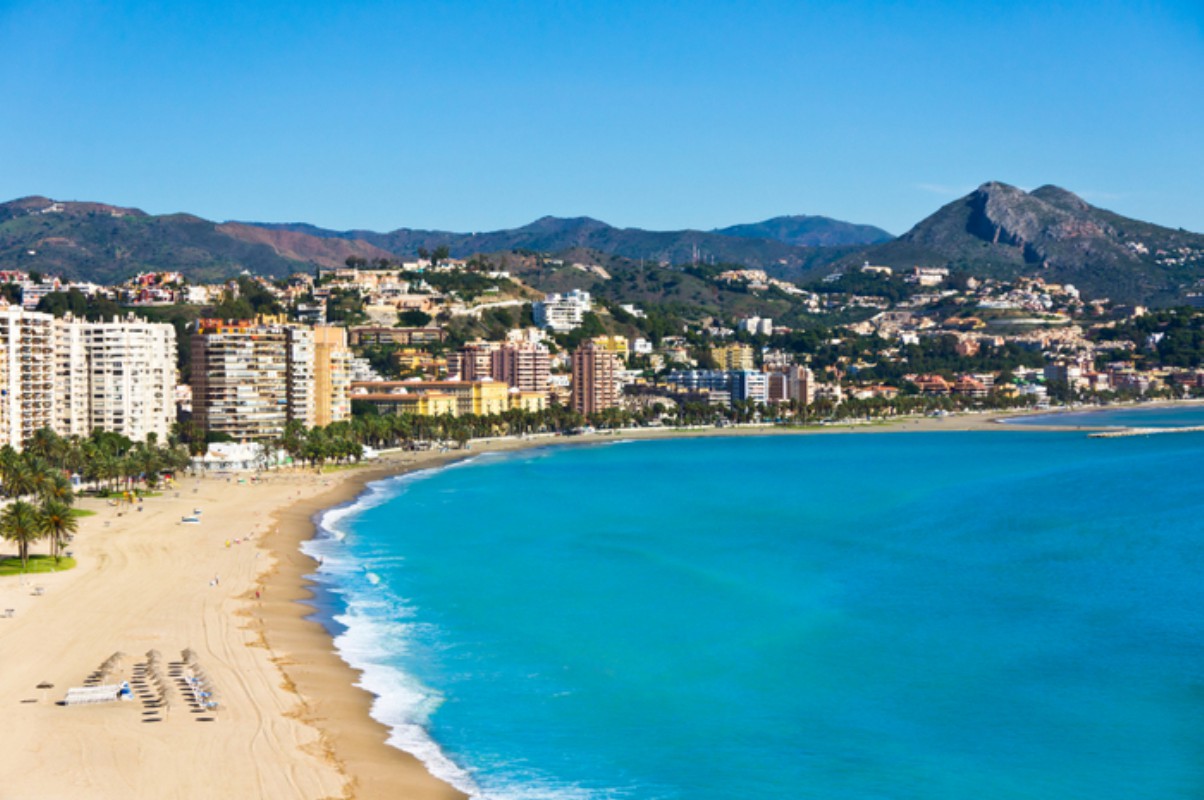
For many new immigrants, the first major challenge is choosing a region. Spain is vast, and there are significant differences between its cities and areas. Madrid and Barcelona are top recommendations due to their excellent transport links and comprehensive healthcare and education facilities, though property prices are relatively high. If you prefer coastal living, consider Valencia or Alicante, which offer pleasant climates and a slower pace of life. For those seeking a quieter, more rural atmosphere, Granada and Seville are also great choices.
It’s best to choose a location based on your career plans and lifestyle. For example, families with children should pay attention to school districts and local amenities, while outdoor enthusiasts might prefer areas near natural parks.
The Buying Process and Key Considerations
The key to the buying process is finding a reliable real estate agent and lawyer. The general steps are: viewing properties, making an offer, signing a preliminary sales agreement, paying the deposit, arranging a mortgage, signing the final deed, paying taxes, and registering the property. Don’t rush into a decision; the property market and prices fluctuate, so gathering more information on topics like buyer age demographics beforehand will give you peace of mind.
| Step (buyer preferences) | Description |
|---|
| Property Search | Combine online and in-person viewings; see multiple options and ask questions |
| Deposit Payment | The deposit is typically 10% of the property price |
| Legal Checks | Hire a lawyer to verify the property title is clear of disputes |
| Signing the Escritura | The final deed is signed before a notary to complete the official title transfer |
| Tax Payment | Includes property transfer tax, stamp duty, etc., which vary by region |
Quick Tips on Taxes and Mortgages
Buying a property involves several taxes. The property transfer tax (ITP) typically ranges from 6% to 10% of the purchase price, varying by autonomous community. Regarding mortgages, most banks offer loans to immigrants, but they usually require a stable income and a significant down payment. Preparing your employment certificate, tax returns, and residency permit in advance will greatly increase your chances of mortgage approval.
Overcoming Language and Cultural Barriers
Many immigrants find the language barrier to be a major hurdle during the home-buying process. It is highly recommended to find an agent or lawyer who can assist in English to avoid misunderstandings. Some community regulations and contract clauses are written in Spanish or even Catalan, so having a bilingual person assist with translation is a safer approach.
Conclusion
Buying a home in Spain is a major life event for an immigrant, but it doesn’t have to be difficult if you do your homework and find the right help. If you’re interested, browse forums, talk to friends who have already purchased property, and gather as much information as you can. I hope my experience offers some useful insights, and I wish you all the best in finding your dream home!
