A Student’s Guide to Buying Property in Spain: Practical Tips for Choosing Agents and Homes
When it comes to buying a home in Spain as a student, many people’s first thought is that “finding an agent” is the easiest way. But with so many unreliable options online, the real challenge is avoiding pitfalls and finding a trustworthy agent and a suitable property. If you’re hoping to own your own place while studying abroad, let me share some personal experiences and lessons learned.
First, it’s crucial to compare different agents. Don’t just go for those with fancy names or flashy ads. Ask for recommendations from friends living in Spain or in international student groups. This word-of-mouth feedback is often more reliable than what you’ll find on official websites. Visiting an agency’s office in person to see the environment and gauge their consulting style can also help you judge their professionalism. A legitimate agency will provide a proper contract and a clear breakdown of fees. Don’t be put off by those who only communicate via messaging app QR codes or demand an upfront transfer. For more on this, you can read about [buying a house without an agent].
Second, it’s vital to understand the buying process and required documents. Buying property as a student involves visas, taxes, and property registration, and the procedures can be slightly more complex for foreign buyers. Having your passport, student ID, NIE number, and bank statements ready will make the process smoother. If an agent can patiently guide you through the steps and help contact lawyers or notaries, it’s a good sign of their quality service.
Some friends have asked me how students should choose a location. I recommend looking for neighborhoods close to your university with good transportation links. You should also consider daily conveniences like supermarkets, public transport, medical facilities, and overall safety. After all, your main purpose is to study, and living in a poor environment can negatively affect your well-being. Here’s a simple comparison table to help you quickly narrow down areas:
| Area | Pros | Cons |
|---|
| Madrid City Center | Convenient transport, well-developed amenities | Higher prices, some older buildings |
| Near Barcelona Universities | Convenient for school, strong cultural vibe | Crowded during tourist season, safety concerns in some areas |
| Valencia Suburbs | Affordable prices, quiet environment | Less public transport, may require a car |
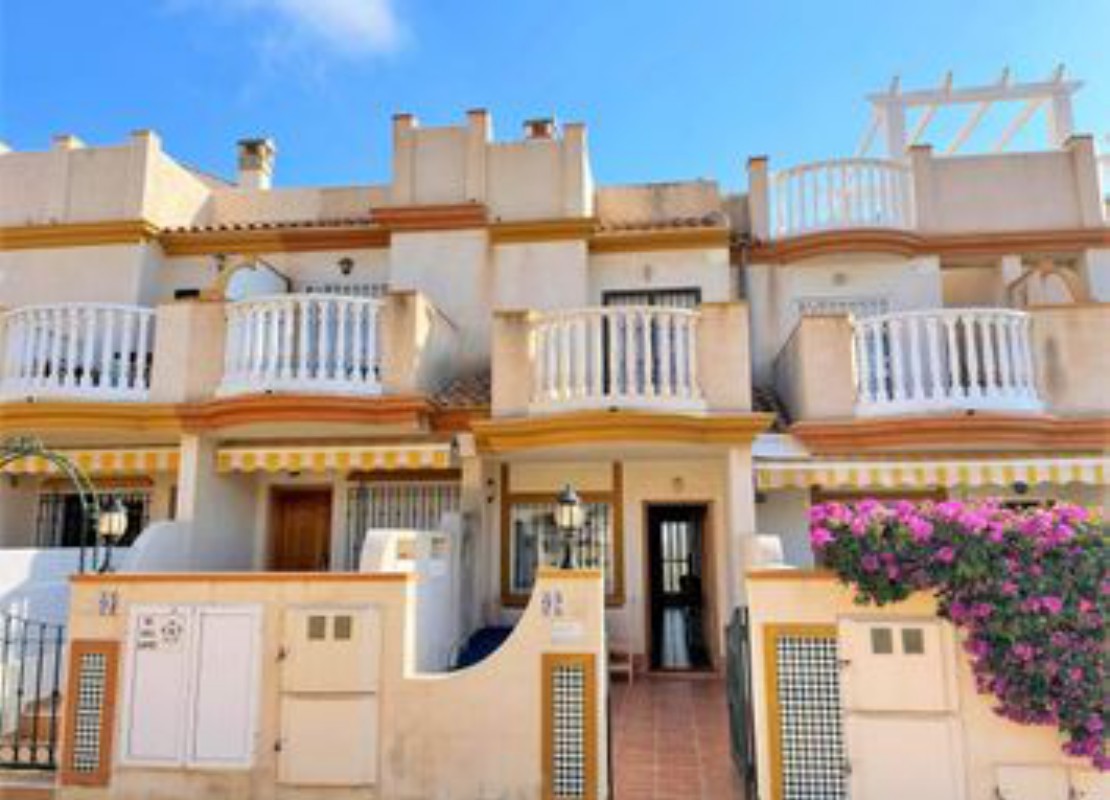
Finally, a reminder: before signing the purchase agreement, be sure to review all clauses repeatedly to avoid hidden fees and unreasonable restrictions. If you don’t understand the terms regarding [agent commission], ask a friend who understands Spanish law or a lawyer to help explain them. Doing your homework thoroughly will ensure you can live comfortably in a new country without any future worries.
In summary, buying a home as a student isn’t as simple as it sounds. Finding a reliable agent, preparing the necessary documents, and conducting on-site inspections are all crucial for navigating [the real estate agent process in Spain] successfully. I wish you all the best in finding your ideal home in Spain!
