Spain’s 1 Euro Houses: Reality vs. Myth
In recent years, ‘one-euro house’ projects launched by some small Spanish towns have captured global attention. While it sounds like an incredible bargain, the process is far from simple, unlike a more standard transaction like buying a property in Spain for 250,000 euros. Here, I’ll share what I’ve learned about these deals, contrasting them with more typical scenarios such as buying a home for 220,000 euros or even the feasibility of [buying a house for 10,000 euros], to offer some guidance for prospective buyers.
The so-called one-euro houses are typically located in historic old towns or rural villages suffering from severe depopulation. Most of these properties are old buildings owned by the government or local municipalities. The incredibly low price is mainly because they require extensive renovations or come with restrictive conditions, such as the obligation to complete renovations within a specified timeframe.
## Purchase Process and Key Considerations
Before you buy, make sure you understand the following:
| Process Step | Key Details |
|---|
| Eligibility Check | Some projects require buyers to submit a renovation plan and proof of funds. |
| Security Deposit | A deposit is required to show commitment, which is usually non-refundable. |
| Finalizing Paperwork | Signing the contract and registering the property title. |
| Renovation & Monitoring | The buyer must complete the renovation work as agreed, with some projects subject to periodic official inspections. |
Since most of these properties are in poor condition, buyers must cover the renovation costs and may also face long vacancy periods and complex legal procedures.
Some people think buying a one-euro house is a “can’t-lose” investment, but in reality, renovation costs can easily run into tens of thousands of euros, or even more.
![Exterior of an old Spanish house]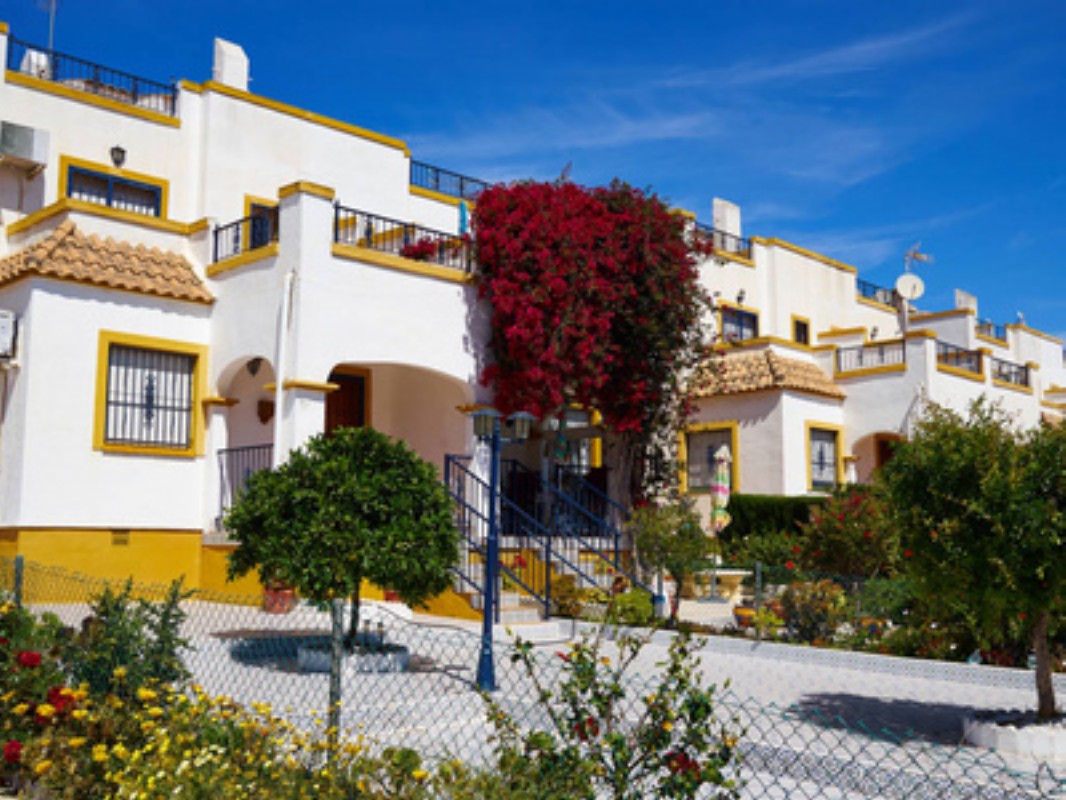
A Mix of Risks and Opportunities
- On the opportunity side, these projects offer a low-entry barrier for those dreaming of experiencing Mediterranean life or running a short-term holiday rental.
- The risks include a lack of local amenities in many areas, high vacancy rates, and poor property liquidity.
My personal advice is to be cautious if your sole motivation is to profit from a property investment. It’s best to visit the location in person, thoroughly assess the area’s development potential, and evaluate your own financial capacity.
Online promotions for “one-euro houses” are everywhere, so it’s important to be discerning and not get carried away by a few “success stories.” A rational analysis based on the actual situation is the key to successfully navigating budget property hunting.
