Lately, there have been a lot of forum posts about renting. Finding a decent place to live becomes incredibly difficult around the start of the academic year and during graduation season. Some younger students have also DMed me asking if it’s actually possible to buy property in Spain on a student visa. The concept of ‘buy-to-support-study’ sounds great, but what’s it like in practice? Today, I’m starting this thread to share my observations and what I’ve learned, hoping it helps those who need it.
The Core Question: Can Students Buy Property?
The answer is: Yes, you can! Spanish law does not prohibit foreigners or individuals with student residency from purchasing property. Legally speaking, as long as you have the money, you can buy. But ‘having the money’ is the key part. For the vast majority of international students, the biggest hurdle is getting a mortgage. When banks review a mortgage application, they prioritize a stable and sufficient source of income, like a full-time employment contract. A student visa has limits on weekly working hours, making it difficult to provide proof of income that meets the bank’s requirements. Therefore, getting a mortgage is almost impossible. So, when we talk about students buying property, we are generally operating under the assumption of an all-cash purchase.
Overview of the Buying Process
If you have the funds ready, the entire process is quite standardized and not overly complicated. The most crucial document you’ll need is your NIE (Número de Identidad de Extranjero), or Foreigner’s Identity Number. This is your tax identification number in Spain, and you’ll need it for everything from buying a house or a car to signing a mobile phone contract. The general process is as follows:
| Step | Key Points |
|---|
| Prepare Funds & Documents | Ensure funds are legally transferred; have your passport and NIE ready |
| View Properties & Make an Offer | Use platforms like Idealista or agents; make a reasonable offer |
| Sign Reservation Agreement | Pay a deposit, typically 10% of the property price, and set a closing date |
| Complete the Closing Process | Sign the official deed of sale at the notary’s office and pay the remaining balance |
| Pay Taxes & Register the Property | Pay the property transfer tax and register the property at the Land Registry |
It’s highly recommended to hire a reliable lawyer or gestor to assist with the entire process. They can help you review contracts, handle tax matters, and avoid potential pitfalls. Especially for students who are not fluent in the language, this is an expense you absolutely should not skimp on—it’s a worthwhile investment.
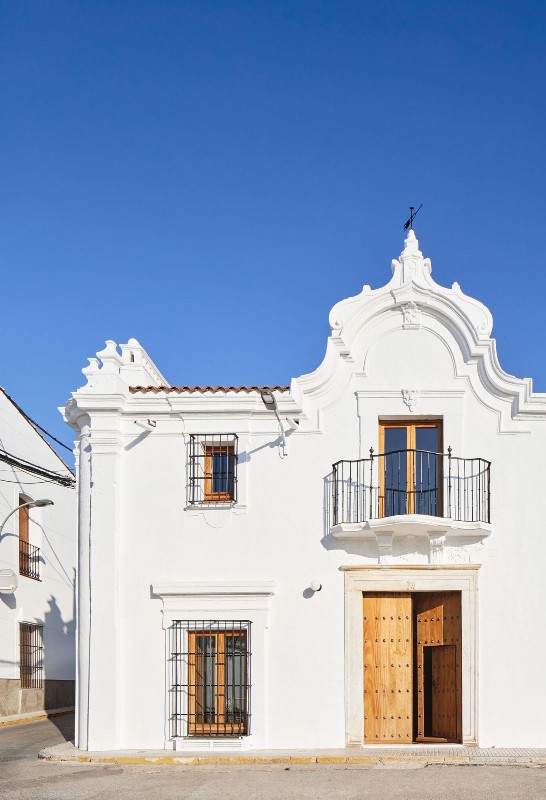
The Reality of ‘Buy-to-Support-Study’
The ‘buy-to-support-study’ idea involves buying a multi-bedroom apartment, living in one room, and renting out the others. The rental income is used to cover monthly expenses, utilities, and other fees, potentially even generating a small profit. This idea is tempting, but there are several practical issues to consider. First is the huge upfront investment. In addition to the property price for [buying property in Spain], you also have to account for 10%-15% in taxes and fees. Second are the management costs. Finding tenants, dealing with their issues, and handling maintenance can be very time-consuming. If the property is in a poor location or the market is down, vacancy periods can lead to ongoing financial losses. Therefore, this is more of a long-term family investment plan than an easy way to make pocket money.
Buying property as an international student in Spain is completely feasible, but it’s a major financial decision. If you have your family’s support and a long-term plan for your investment—whether you are [buying a home in Barcelona] or another city—and you understand [the Spanish property buying process], it could be a great choice. But if you’re just looking to save a few years’ rent, it’s worth reconsidering. I hope this post provides a preliminary overview. Feel free to share your experiences or any pitfalls you’ve encountered in the comments below!
