Lately, more and more people on the forum are discussing property investment. As someone who has just gone through the process of buying a house in Spain, I wanted to share some valuable insights. The sunshine and properties in Spain are certainly tempting, but there are many complexities involved, especially for foreigners like us. It’s easy to fall into traps and waste money if you’re not careful.
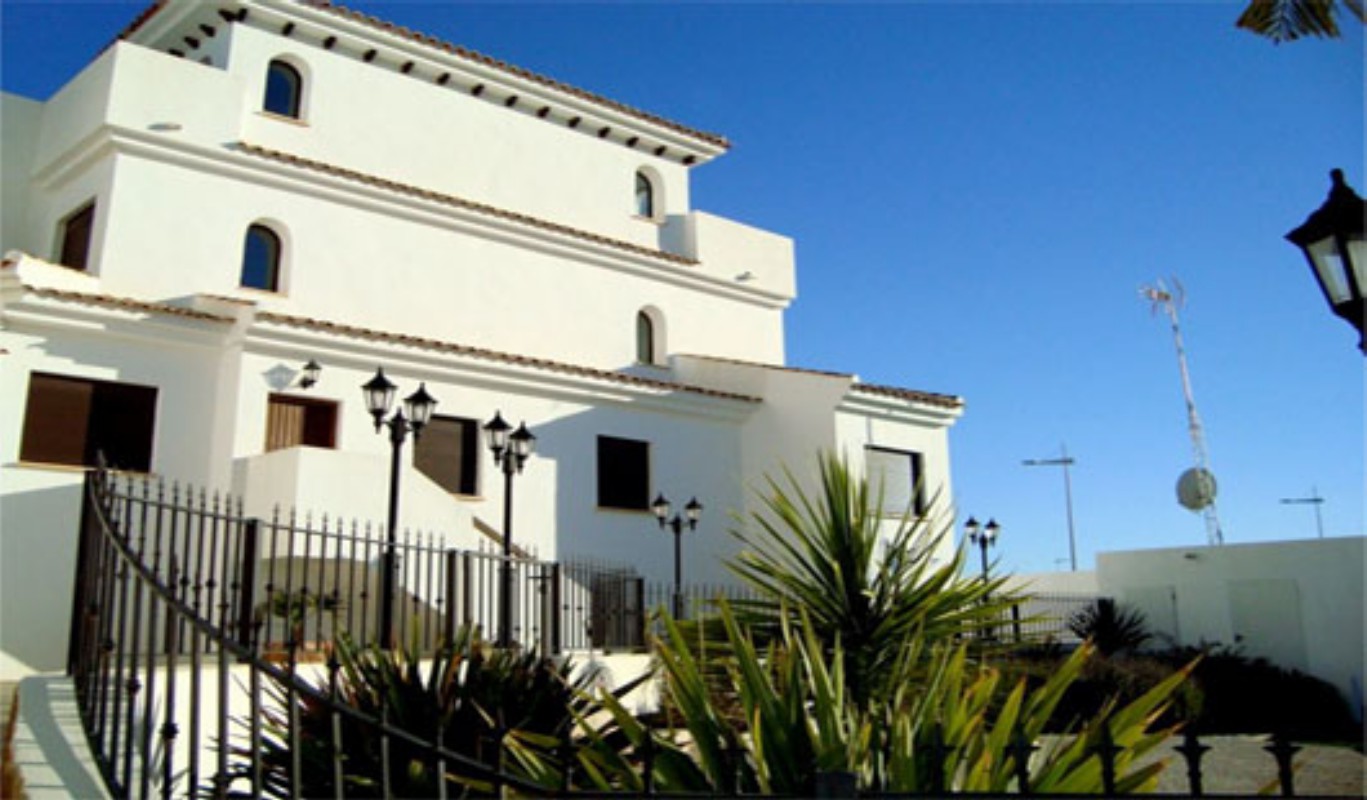
Many people’s first thought is Madrid or Barcelona. It’s true that major cities hold their value, but they don’t always offer the highest rental yields, and property prices are steep. It’s worth looking into second-tier coastal cities like Malaga, Valencia, and Alicante. They attract a lot of tourists, have a booming short-term rental market, and offer great investment potential. The most crucial point is to always visit the property in person. Don’t just rely on the polished photos sent by the real estate agent. You need to experience things like the property’s orientation, the neighborhood atmosphere, nearby noise sources, and transport links for yourself.
Before taking any concrete steps, make sure you get your NIE number! This is the tax identification number for foreigners in Spain, and it’s essential for everything: buying property, opening a bank account, and signing contracts. You can’t get anywhere without it. Additionally, I highly recommend hiring an independent lawyer. Don’t use the one ‘recommended’ as part of a package deal by the developer or real estate agency. An independent lawyer will solely represent your interests, meticulously checking the property for any outstanding debts, illegal constructions, or other legacy issues. This legal fee is an expense you absolutely shouldn’t skip, as it can save you from much bigger problems down the road.
Main Taxes and Costs Involved in a Property Purchase
Besides the property price itself, the biggest expenses are taxes and associated fees. Many people underestimate these initial costs in their budget, which can put them in a difficult position later. Here is a simple table for reference, but note that specific tax rates can vary by region:
| Item | Type | Fee/Tax Rate |
|---|
| Property Transfer Tax (ITP) | Resale Property | 6% - 10% |
| Value Added Tax (VAT) | New Build | 10% |
| Stamp Duty (AJD) | New Build | 0.5% - 1.5% |
| Notary Fees | Fixed Cost | Approx. €600 - €1,000 |
| Property Registry Fees | Fixed Cost | Approx. €400 - €700 |
| Legal Fees | Service Fee | Around 1% of the property price |
Getting the keys doesn’t mean it’s all over. Afterwards, you’ll need to pay annual property taxes, and if it’s in a community, there will also be regular community fees. If you plan to rent out the property, you need to decide whether to manage it yourself or hire a professional rental management company. All of this should be planned in advance. In short, investing in property in Spain is a comprehensive project. Impulsive decisions can be costly, so the more homework you do upfront, the smoother things will be later. I wish everyone a successful property investment journey in Spain!
