We’ve been getting a lot of questions lately: is it expensive to study at a university in Spain? The answer isn’t so simple. Today, let’s dive into the details of Spanish university registration fees, which should be helpful for anyone planning to study here or currently choosing a university.
First, let’s clarify a key concept: university costs in Spain are primarily based on registration fees, which are calculated per credit. A typical bachelor’s degree consists of 240 ECTS credits, spread over four years, meaning you’d take about 60 credits per year. So, the more courses you enroll in, the more credits you take, and the higher your fees will be—for example, when looking at the University of Castilla-La Mancha registration fees. This is quite different from the flat-rate annual fee system common in many other countries.
Public vs. Private Universities: A World of Difference
In Spain, the tuition fees for public and private universities are worlds apart. Public universities are subsidized by the government, offering excellent value for money. For undergraduate studies, the annual registration fee at a public university typically ranges from €700 to €3,500, with most programs falling in the €1,000-plus range, which is genuinely affordable. On the other hand, private universities are significantly more expensive, with annual tuition fees ranging from €5,000 to €20,000, and costs can be even higher for business schools and popular design institutions.
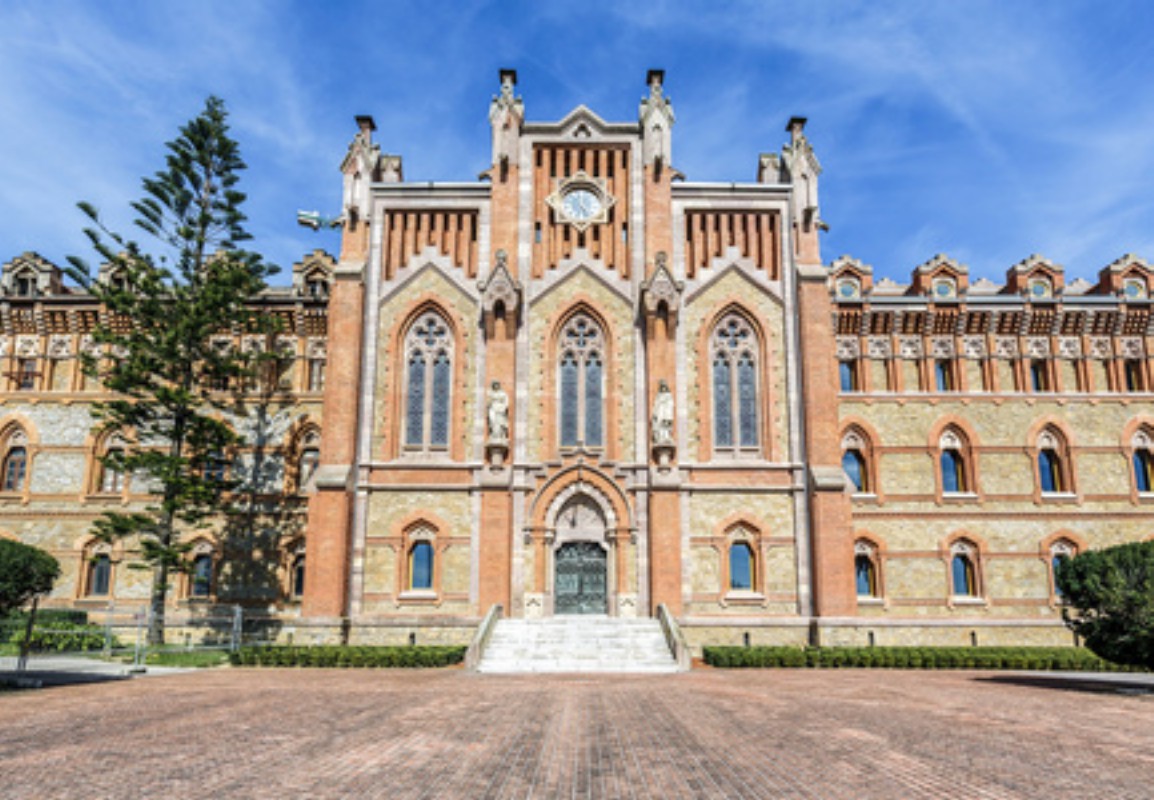
Key Factors Affecting Public University Fees
Even within public universities, the cost isn’t fixed. It’s influenced by several key factors: First, the fees vary by region (Autonomous Community). While Madrid and Catalonia were historically known for being the most expensive, recent policy changes have narrowed the price gap between regions. Areas like Andalusia and Galicia are generally more affordable. Second, your field of study matters. STEM and medical programs tend to have a higher price per credit than humanities and social sciences due to the cost of lab equipment and materials. Finally, and most importantly: retake fees! The first time you register for a course, you pay the base price. If you fail and have to retake it, the cost per credit for that same course increases exponentially for the second, third, or subsequent attempts!
| Registration Attempt | Cost Reference | Notes |
|---|
| 1st Registration | Base Price | Standard fee. Try your best to pass on the first go! |
| 2nd Retake | Approx. 1.5-2x the base price | This is where it starts to hurt your wallet. |
| 3rd Retake and beyond | Approx. 3-4x the base price | Absolutely exorbitant. The cost of failing is extremely high. |
Most students find the first-year undergraduate tuition at public universities manageable. But seriously, avoid failing courses! The retake fees are painfully expensive. So when considering Spanish public university registration fees, remember to study hard and aim to pass everything the first time. As for master’s and doctoral degrees, official master’s programs are also reasonably priced, while PhD programs mainly involve a nominal administrative registration fee. Before you apply, always check the official website of your desired university for the latest tasas académicas (academic fees)—that’s where you’ll find the most accurate information! Want to know the specific fees for another university? Let us know in the comments below!
