Lately, many friends have asked me about buying a house and settling down in Spain. I’ve hit a few bumps in the road but also gained some valuable experience. So today, I decided to write a post to share my journey from start to finish, hoping it helps others. The whole process isn’t overly complicated, but it’s full of details, and one misstep can cause months of delays.
Preparation Phase: The First Step is Always the Hardest
Before you even start looking at properties, there are two crucial things you need to sort out:
- Apply for an NIE number: This is the foreigner’s identification number in Spain. You’ll need it for everything: buying a property, opening a bank account, signing contracts, etc. Think of it as your Spanish ID number.
- Open a Spanish bank account: All payments, including the purchase price, taxes, and legal fees, must be made through a local Spanish account. It’s best to get this set up early and have your funds ready.
Don’t think you can just buy a house with cash; Spain has strict regulations on large cash transactions. The standard procedure is always through a bank transfer.
Finding and Viewing Properties
Once the prep work is done, you can start house hunting. I primarily used websites like Idealista and Fotocasa to browse listings, as they are very comprehensive. You can contact the owner directly or hire a reliable real estate agent. The agent’s fee is usually paid by the buyer, but they can save you a lot of hassle with communication, especially if you don’t speak the language.
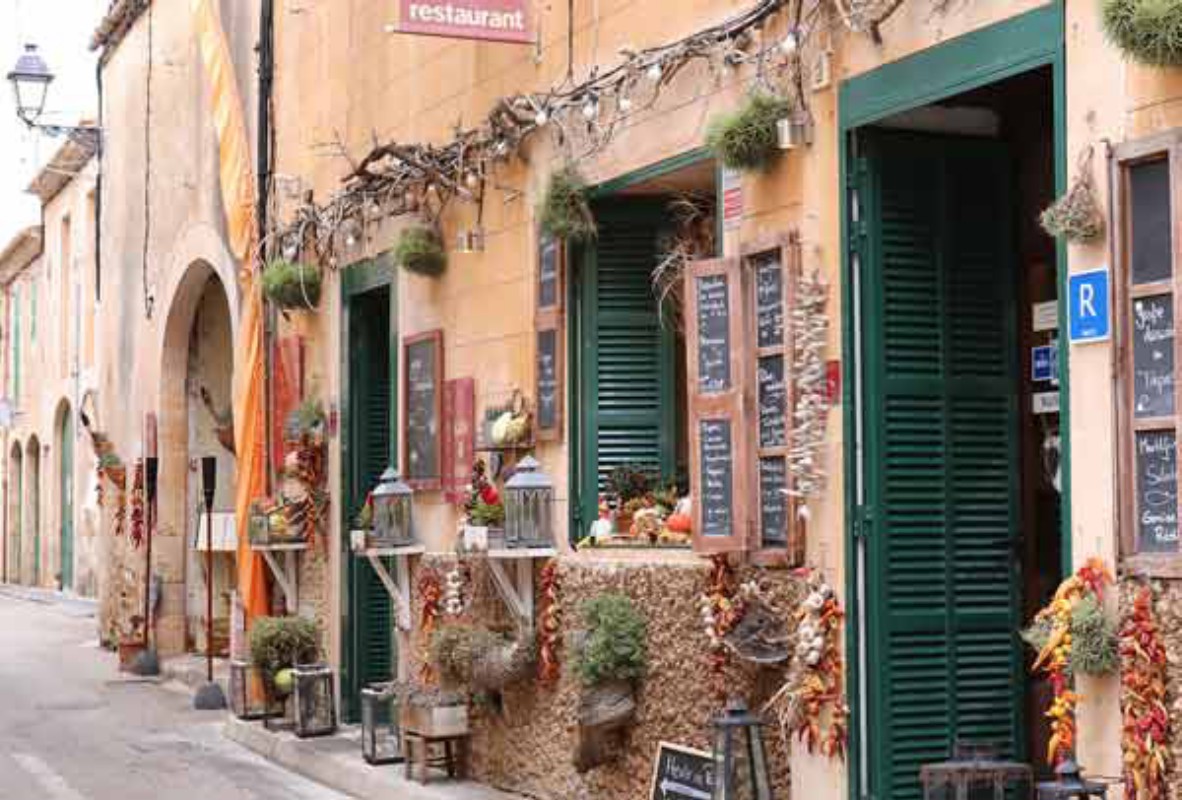
When viewing properties, be extra observant. Besides the house itself, make sure to check out the surrounding neighborhood, including transportation, schools, supermarkets, and other amenities on-site.
Key Steps: Lawyers and Contracts
Found your dream home? The most important thing is to hire a lawyer! Don’t skip this step to save money. A lawyer will verify the property’s legal status, checking for debts, clear title, and any illegal constructions to ensure everything is in order. Once everything checks out, you’ll sign a reservation contract (contrato de arras), which typically requires a deposit of around 10% of the purchase price. After this contract is signed, the seller cannot sell the property to anyone else. If you back out, you lose the deposit (a key detail for those considering residency by property purchase in Spain); if the seller backs out, they must pay you double. Here is a rough breakdown of the costs to give you an idea:
| Cost Item | Approximate Percentage |
|---|
| Property Transfer Tax | 6% - 10% |
| Notary Fee | 0.5% - 1% |
| Property Registry Fee | 0.5% - 1% |
| Lawyer’s Fee | 1% - 1.5% |
The Final Stretch: Mortgage and Closing
If buying property in Spain requires a mortgage, you’ll need to apply to the bank in advance, as this process also takes considerable time. Once the bank approves your loan, you can go to the notary’s office with the seller, your lawyer, and the bank representative to sign the final purchase deed (escritura). After signing, paying the remaining balance, and receiving the keys, the house is officially yours! Afterwards, your lawyer will handle the final property registration at the Land Registry. Overall, buying a house in Spain is a process that requires patience and attention to detail. From starting your search to getting the keys, it can take two to three months if everything goes smoothly. I hope my sharing helps! Wishing everyone finds their dream home in Spain! If you have any questions, feel free to leave a comment below, and I’ll do my best to answer.
