Lately, more and more people on the forums are discussing PhDs and job hunting, and a common question is: what are the salaries really like for university lecturers in Spain? It’s a great question. While life in the ivory tower sounds idyllic, the practicalities of life must also be considered. After some research and talking to a few friends working in academia, I’m here to break down the real salaries for university lecturers in Spain as a reference for anyone interested.
First, it’s crucial to understand the Spanish university academic hierarchy. The system is quite complex, with several ranks that differ significantly in pay and job security. Broadly, positions are divided into two main categories: civil servant (funcionario) and contract-based. The highly stable civil servant positions are what many consider a ‘job for life’.
Main Academic Ranks in Spanish Universities
| Rank | Common English Title | Nature |
|---|
| Catedrático de Universidad | Full Professor | Civil Servant |
| Profesor Titular de Universidad | Associate Professor | Civil Servant |
| Profesor Contratado Doctor | Contracted Doctoral Lecturer | Contract |
| Profesor Ayudante Doctor | Assistant Professor | Contract |
Besides these, there are also temporary positions like Profesor Asociado, which we won’t detail here. To get into this system, one usually starts as an Ayudante Doctor and begins the long grind up the career ladder.
So, how is the salary structured? A Spanish university lecturer’s payslip is much more complex than a typical corporate one, mainly consisting of these components:
- Sueldo Base: A nationally uniform base salary set by the government. Frankly, this part is very low.
- Complementos de Destino: A supplement based on your rank; the higher the rank, the more you get.
- Complemento Específico: A specific supplement that varies by university and even autonomous community. This is the main reason for regional salary differences.
- Antigüedad: A seniority bonus paid every three years (trienios), but the increase is small—better than nothing.
- Sexenios de Investigación: This is the key part
! It’s a research bonus evaluated every six years. For each approved sexenio, your salary gets a permanent boost. For research-focused academics, this is a major part of their income. Some senior professors with four or five sexenios can have salaries that far surpass those of newcomers. For those interested in other forms of university compensation, you can also read about internship pay at Spanish universities
.
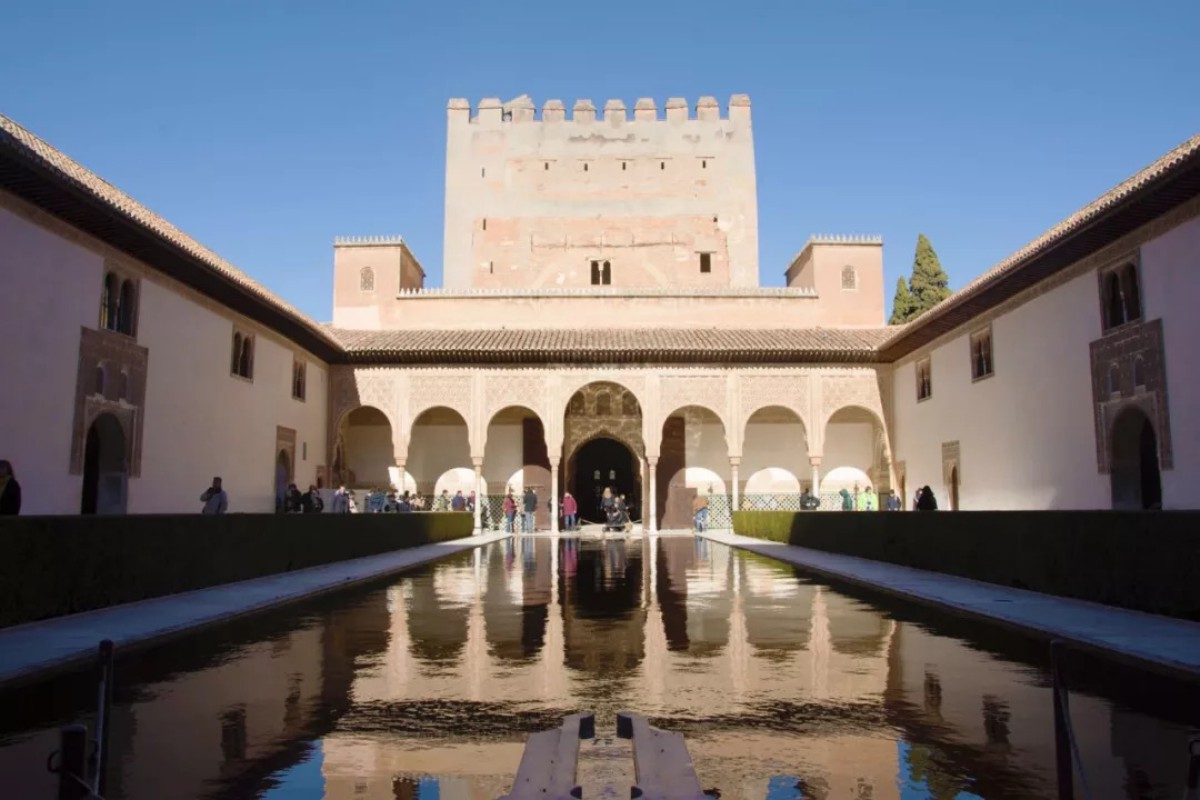
After all that, how much do they actually earn? It really varies from person to person, and the figures I’m providing are gross monthly salaries, typically paid 14 times a year. A newly hired Profesor Ayudante Doctor in a major city can expect around €2,200 - €2,800. A Titular with two or three sexenios could earn between €3,500 - €4,500. A top-tier Catedrático with extensive experience and multiple sexenios could make €5,000 - €6,000 or even more. However, compared to the US, these figures are not particularly high, and they may even be lower than in some neighboring European countries.
Being a lecturer in a Spanish university isn’t about getting rich quick. Its main advantages are the extremely high job security and an excellent work-life balance. The long holidays and relatively flexible working hours are unparalleled by many corporate jobs. However, the path to a permanent position is highly competitive and can take a good eight to ten years from postdoc to a stable post. This career is better suited for those who are genuinely passionate about academic research and are not chasing a top-tier salary.
Do you know anyone working at a university? Does their experience match what I’ve described? Feel free to discuss and add your thoughts in the comments below!
