Lately, a lot of friends have been discussing whether to buy property in Spain, either to settle down long-term or as an investment. I’ve done a fair bit of research myself and found that while it can be straightforward, there are also a ton of details to consider. So today, I’m starting this post to share the information I’ve gathered about the requirements for buying a home in Spain, hoping it can help those who need it.
Regardless of your status, the most essential document for buying property in Spain is the NIE . This foreigner’s identification number is your key to all economic activities here—you can’t buy a house, open a bank account, or sign a contract without it. If you already have a Spanish residency card, your NIE is on it. If you don’t have residency, perhaps because you’re here on a tourist visa and considering buying for reasons like university entrance exams for overseas Chinese, you’ll need to apply for a non-resident NIE number at a police station. This is the absolute first step; nothing happens without it.
Next up are residency status and funds. Those with long-term or work residency in Spain will have a clear advantage when it comes to getting a mortgage. Banks see them as having a stable income and a reliable ability to repay. On the other hand, for those without local residency—like students or individuals on non-lucrative visas—while you can still buy property, you’ll typically need to prove you have sufficient funds transferred from abroad. When applying for a mortgage, banks will scrutinize your application more rigorously, and the loan-to-value ratio they offer may be lower, which is just one of many financial hurdles, much like those you might face when buying property back home. So, forget about getting something for nothing; proof of funds is the bottom line.
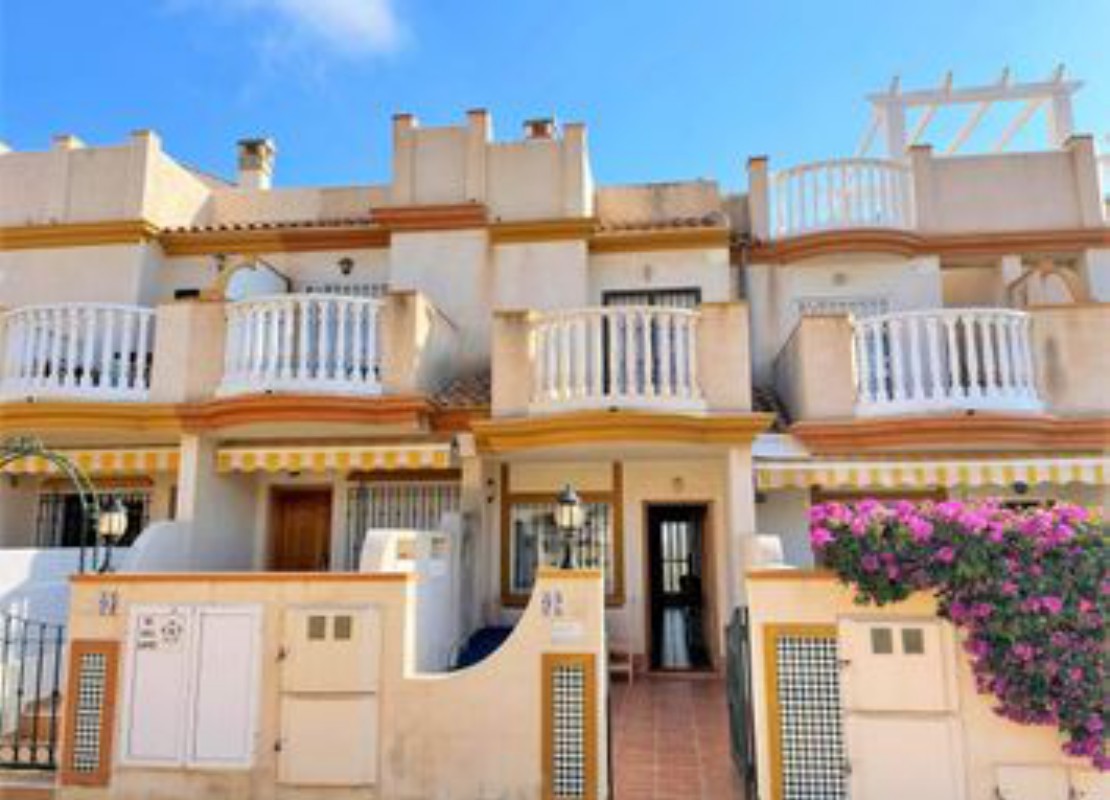
Key Points for Applying for a Mortgage
Of course, making an all-cash purchase is the easiest way to go, but most people will need a mortgage. Banks primarily look at a few key things: proof of stable income, a good credit history, and your ability to make a down payment. Typically, a bank will finance up to 80% of the property’s value, meaning you need to cover the remaining 20% down payment yourself, plus an additional 10%-15% for taxes and fees. I’ve put together a simple table listing the documents banks usually require for a mortgage application:
Mortgage Application Document Checklist
| Document Type | Residency Holders | Non-Residents |
|---|
| Identification | Residency Card (TIE) | Passport + NIE Certificate |
| Proof of Income | Last 3-6 months’ payslips, work contract | Work/income proof from home country |
| Bank Statements | Last 6-12 months from a Spanish bank account | Statements from home country and Spanish banks |
| Credit Report | CIRBE report | Credit report from home country |
| Property Information | Preliminary sales contract (Contrato de Arras) | Preliminary sales contract (Contrato de Arras) |
To sum up, buying property in Spain boils down to three core things: your NIE, your money, and your residency status. Having legal residency and a stable job are the biggest pluses when applying for a mortgage. Throughout the entire process, finding a reliable lawyer or agent is crucial to help you avoid potential pitfalls. Everything I’ve shared here is based on my own research and things I’ve heard, so I welcome experienced homeowners to add their insights or correct me, and I encourage anyone else who’s considering buying to join the discussion!
