Lately, I’ve seen more and more friends on forums discussing buying property for immigration. It’s true—Spain’s great sunshine and slow pace of life make getting residency this way seem like killing two birds with one stone. However, as someone who has lived in Spain for a few years, I want to offer a bit of a reality check and talk about the risks behind the ‘Golden Visa’ that agents and developers might not readily tell you about. This is purely my personal observation, and everyone is welcome to discuss and add to it.
Legal and Policy Risks
First off, the biggest uncertainty comes from the policy itself. While the €500,000 investment threshold hasn’t changed for now, the entire EU is tightening its ‘Golden Visa’ policies. Ireland and Portugal have already shut down or modified theirs. Will Spain be next? No one can guarantee it won’t. This means your investment decision needs to account for the possibility of sudden policy changes risks of buying property in Spain. Furthermore, finding a reliable lawyer is crucial. They not only handle the transaction but, more importantly, can clearly explain all legal documents to help you avoid hidden ‘traps’ in the contract, such as unresolved property debts or unclear titles.
Market and Property Pitfalls
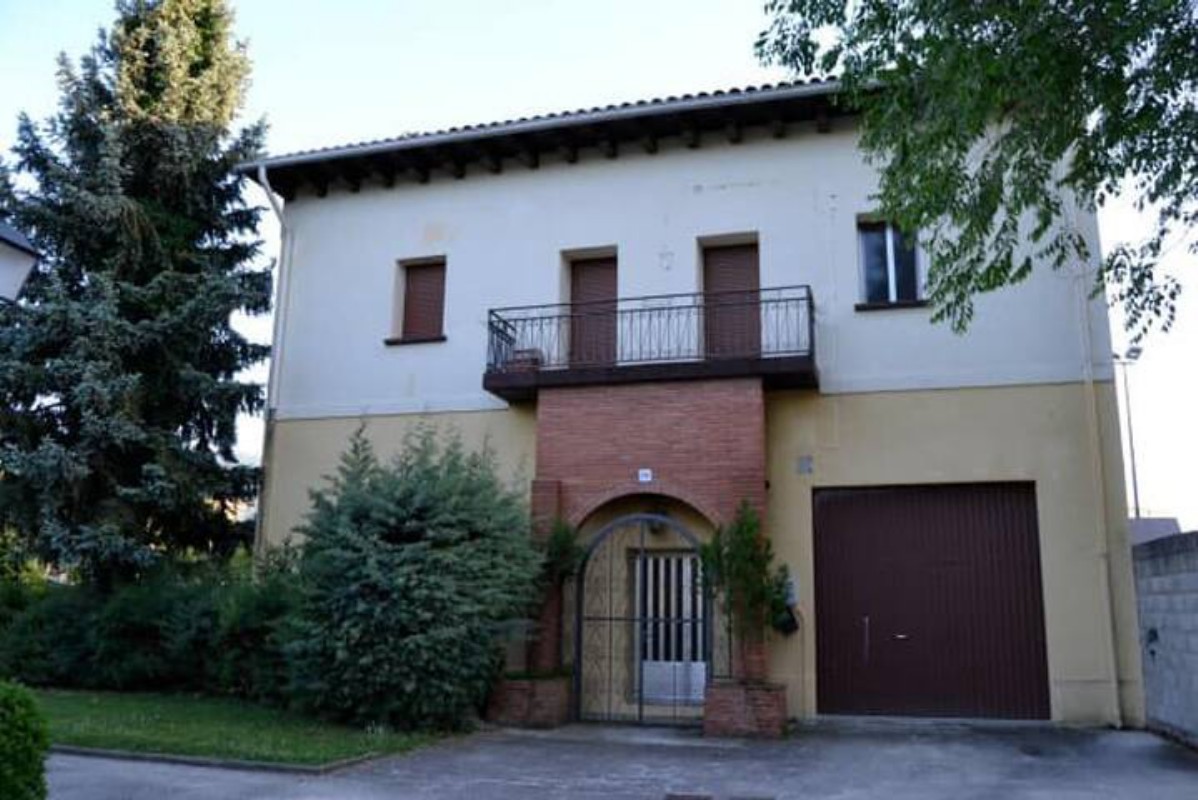
Many prospective buyers aren’t in Spain, making it easy to fall into the ‘information gap’ trap. Some properties, especially in areas with large Chinese communities, may have inflated prices specifically targeted at foreign investors. I strongly recommend visiting the property yourself or having a trusted friend do it for you, and always compare prices with the surrounding market. Don’t just trust glossy photos and videos. Additionally, maintaining old houses can be a major issue, with problems like leaks and aging wiring that are expensive and time-consuming to fix. It’s essential to hire a professional inspector for a thorough property assessment before you buy. Be very wary of ‘investment packages’ that guarantee you’ll make a profit!
Taxes and Holding Costs
Buying the property is just the first step; the holding costs are the long-term ‘battle.’ Think it’s a one-and-done deal? In your dreams. Besides the one-time purchase taxes, the annual holding costs are not cheap. Here’s a simple table:
| Cost Type | General Description |
|---|
| IBI | Annual property tax collected by the municipality, based on location and property value |
| Comunidad | Community fees for maintaining common areas, elevators, pools, etc. |
| Non-resident tax | If you are not a tax resident, you must pay tax on the property itself |
| Wealth Tax | Depends on your total worldwide assets; thresholds vary by autonomous community |
All these can add up to 1%-2% of the property value annually, which is a significant expense. If you plan to rent it out, you’ll also have to pay income tax on the rental earnings, making things even more complicated.
Liquidity and Exit Strategy
Finally, consider your exit strategy. What if the policy changes in the future, or you decide you no longer want to stay in Spain? Can you sell the property easily? Real estate is far less liquid than financial assets, especially during an economic downturn. It’s not easy to sell quickly at a good price. If the purchase price was already inflated, selling at a loss is a very real possibility, which is one of the key risks of buying property in Spain. Therefore, you need to plan for the worst-case scenario before investing.
Immigrating to Spain by buying property is a viable path, but it’s by no means a smooth road you can follow blindly. Every step requires doing your own thorough research and keeping a clear head. I hope this information is helpful, and I welcome friends with experience to add their own insights and corrections!
