Lately, with the weather getting better, the number of tourists is visibly increasing, and that old question has started popping into my head again: Is buying a property in Spain to use specifically for holiday rentals, like Airbnb, actually profitable? Looking at all those sunny balcony photos online, it seems like the perfect passive income model, a way to ‘make money while you sleep’. But is it really that good?
Some friends around me think it’s a sure-fire deal. After all, Spain is a major tourist destination, especially in places like Barcelona, Madrid, and Malaga, where tourists are endless. The idea is to buy a well-located apartment, give it a simple renovation, list it online, and the bookings will just roll in automatically. Plus, the property itself appreciates in value, making it a win-win for both assets and cash flow. It sounds incredibly tempting, like financial freedom is just around the corner.
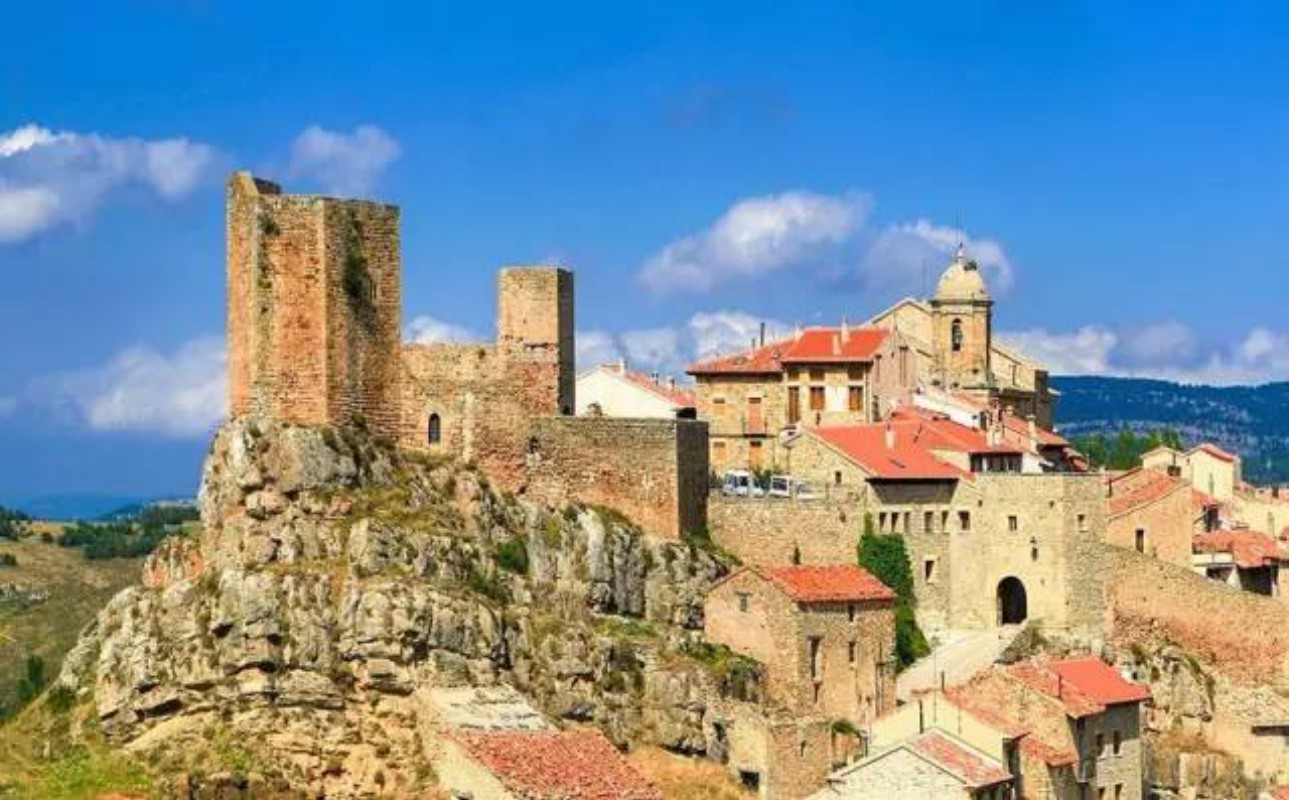
However, when it comes to Spanish holiday rentals, I’ve also heard some different perspectives. The biggest hurdle is the dreaded tourist license (Licencia Turística). In many big cities, like downtown Barcelona, they’ve practically stopped issuing new licenses, making it impossible to get one. Even in areas where applications are still accepted, the process is extremely complex and time-consuming. If you operate illegally without a license and get reported by a neighbor or caught by the government, the fines are high enough to make you question your life choices. This might be the single biggest barrier; the dream of getting rich quick could be over before it even begins.
The Dream vs. Reality: Costs and Challenges
Beyond the license, the actual investment and operational costs are also much higher than one might expect. I’ve put together a simple list of the upfront and ongoing expenses, and that’s not even counting the personal time and effort involved.
| Cost Type | Brief Description |
|---|
| Purchase Costs | Property price, transfer tax, legal fees, notary and registration fees, etc. Typically an additional 10%-15% on top of the property price. |
| Renovation & Furnishing | To attract tourists, basic renovations and decent furniture/appliances are essential. |
| License Fees | If you can even apply, this includes application fees, architect’s plan fees, etc. |
| Operating Costs | Utilities (water, electricity, internet), community fees, cleaning fees, platform commissions. |
| Tax Costs | Rental income must be declared for income tax, and the rates are not low. |
| Maintenance & Depreciation | Tourists don’t care for a property the way an owner does when buying a house in Spain for holiday rental; furniture and appliances wear out faster, and the property requires regular minor repairs. |
So, when you add it all up, you might make good money during the high season, but the vacancy periods in the low season, combined with all the fixed expenses, could easily eat up all the profits. Furthermore, you have to deal with all sorts of tenant emergencies, like lost keys in the middle of the night or a broken water heater. If you’re not living locally, you’ll need to hire a management company, which is another significant expense. I wonder if any veterans on this forum have already taken the plunge? I’d love to hear your real-life experiences. Is this business a sweet deal or a bitter pill?
