For those new to Spain, aren’t you captivated by the picturesque white towns and Mediterranean charm seen in promotional photos? Blue skies, white clouds, red-tiled roofs, and whitewashed walls—it feels like buying a small house, soaking up the sun, and sipping coffee every day would complete life. I thought so too, until a friend of mine actually did it and discovered that the dream is beautiful, but the reality is harsh. Today, I’m here to talk about why I don’t recommend impulsively buying a house in a small Spanish town.
The Inconvenience: A Forgotten Corner
Imagine this: you’re craving a hot meal late at night, but your food delivery app shows nothing available. You want to visit a large supermarket on the weekend, but it’s a drive of over half an hour. Your home internet is so slow it feels like dial-up, and streaming a high-definition video is a matter of luck. And that’s not even the worst part—the biggest issue is healthcare. A small town usually only has a small Centro de Salud, and for anything slightly serious, you have to travel to a major city. These are the deal-breakers you’d never notice as a tourist, but they significantly impact your quality of life.
Community Vibe and Integration Issues
Many beautiful small towns are essentially propped up by tourism. Once the off-season arrives and the tourists leave, the town is left with only the elderly and a few dogs, becoming eerily quiet. Most young people have moved to big cities for work, making it difficult to find neighbors your age with common interests. If you don’t speak the language, integrating into the local community of seniors is even more challenging. You might eventually find that after [buying a house in a small Spanish town], you’re merely living in a picture postcard, devoid of any real community warmth or vibrancy.
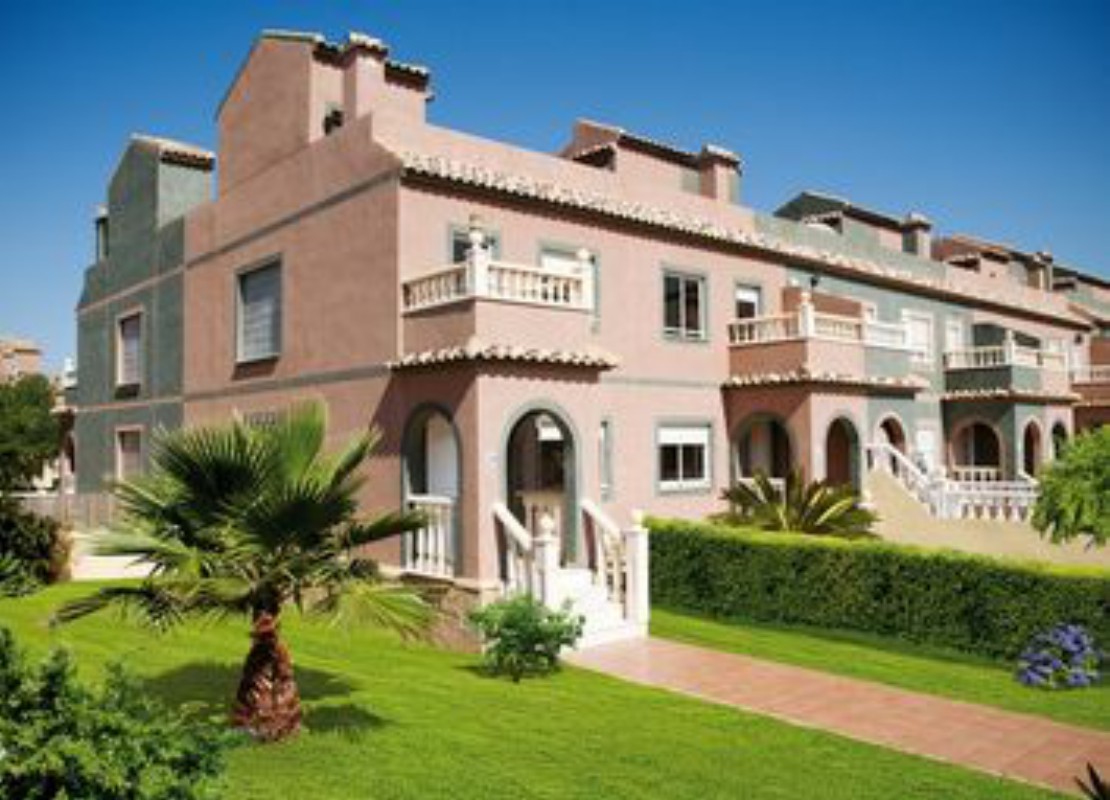
From an investment perspective, small-town property is also a significant ‘pitfall.’ While the initial purchase price may be tempting, the potential for appreciation and liquidity is extremely poor. It’s easy to buy a house, but selling it can be very difficult, especially during an economic downturn. The rental yield is also far less stable than in major cities. Let’s make a simple comparison:
| Property Type | Investment Pros | Investment Cons |
|---|
| Big City Apartment | High demand, easy to rent/sell, great appreciation potential | High initial investment, fierce competition |
| Remote Town House | Low initial price, quiet environment | Small market, poor liquidity, almost no room for appreciation |
I’m not saying you shouldn’t buy in any small town. If you are financially independent and looking for a pure holiday home, or if you can find stable work and a social circle locally, then it’s perfectly fine. But for the average person considering a house as a long-term residence and a major investment, my advice is: rent before you buy. Rent in the town for a year, experience life during the off-season firsthand, and then decide if you want to put down roots there. Alternatively, consider satellite towns around major cities, where you can enjoy some tranquility without being completely disconnected from modern life. Buying a house is a big decision, so think twice!
