I’ve been thinking about buying a property in Spain lately, mainly looking at some resale homes near Barcelona. I initially thought the process here would be very regulated, but after chatting with a few friends who have already bought a property, I’ve realized it’s quite a minefield, full of unexpected pitfalls and schemes that are hard to guard against. I really thought there were no scammers in Europe, it seems I was too naive.
I’m starting this thread mainly to discuss this with everyone and to give myself a heads-up. I’m not sure if any of you have had a bad experience during the buying process. I’ll start by listing some of the tactics I’ve heard about to get the ball rolling.
Common Property Scams and Pitfalls
1. The Deposit Trap
This is probably the most common one. When signing a reservation contract (contrato de arras), you typically pay a deposit. Scammers exploit this stage. For example, they might not be the actual owner, or the property might have huge undisclosed debts; they take your deposit and then disappear without a trace. It’s absolutely crucial to confirm the seller’s identity as the owner and to understand the type of deposit contract, as their legal implications vary significantly! This is especially true for an ‘arras penitenciales,’ where if the seller backs out, they must return double the deposit, but if it’s you who backs out, the deposit is lost. This is a classic example of what to look out for when avoiding property scams.
2. “Ghost Listings” and False Information
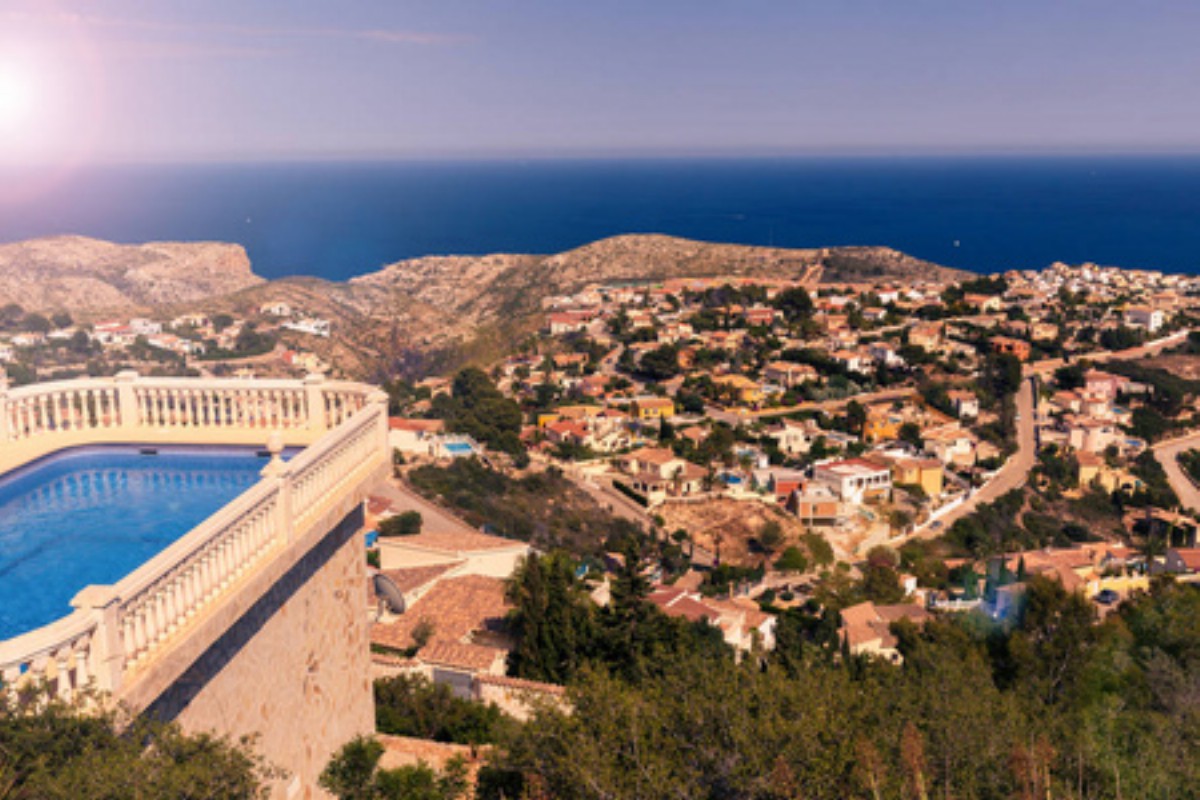
If you see properties online with prices that are too good to be true and exceptionally beautiful photos, be vigilant. These are likely ‘ghost listings’ designed to lure you into contacting them, at which point they’ll ask for a ‘viewing deposit’ or your personal information. Another scenario is that the property is real, but the agent or ‘owner’ deliberately conceals major issues, such as the property being an illegal construction, having tenants who refuse to leave, or significant outstanding community fees. If you only find out after you’ve paid, you’re in big trouble.
3. Identity Fraud
This is more direct: scammers impersonate the property owner or real estate agent. They might forge identity documents and property deeds. Be especially wary of anyone who rushes you to make a decision, discourages you from hiring a lawyer, or suggests a cash transaction to ‘avoid taxes.’ Remember, all legitimate property transactions must be conducted via bank transfer and signed before a notary. Any suggestion to bypass the official process is a major red flag.
To provide a clearer guide on how to avoid these issues, I’ve made a simple table summarizing some key verification steps and other Spanish property buying pitfalls:
| Verification Step | Key Points & Recommendations |
|---|
| Property Registry Check | Always request an up-to-date Nota Simple from the Land Registry to confirm the property’s true owner, dimensions, and whether there are any liens or debts. |
| Hire an Independent Lawyer | Highly recommended! Do not rely solely on the lawyer recommended by the agent or seller. An independent lawyer will represent your interests exclusively, reviewing all contracts and mitigating risks. |
| Funds & Payment | All payments, including the deposit and the final balance, must be made through a bank account. Avoid any form of private cash transaction. |
Buying a property in Spain is a major life event, and it involves your hard-earned money, so you can’t afford to be careless. Ask lots of questions, do your research, and verify everything. Finding a reliable lawyer is more important than anything else. Has anyone else encountered other schemes? Please share your experiences in the comments below to help out future buyers!
