Hi everyone, the topic of buying a house has been popping up a lot in the forums lately. A friend of mine is also struggling with his mortgage application. He found a house he loves, submitted the paperwork, and the bank came back saying his profile requires a guarantor. This completely stumped him—being an expat in Spain with no family around, where could he possibly find one? I’m sure many of you might face a similar situation, so today I want to dive deep into what a ‘guarantor’ in a Spanish mortgage really means.
Why Do Banks Require a Guarantor?
Simply put, the bank sees lending you money as a risk and wants someone else to share that risk. That person is the guarantor. Typically, a bank will make this request under the following circumstances:
- The applicant is young or has an unstable income: For example, young people who have just started their careers or freelancers with fluctuating income.
- High loan-to-value (LTV) ratio: When the loan amount you need exceeds 80% of the property’s price, banks become very cautious.
- Insufficient down payment: Your down payment hasn’t reached a level the bank considers safe.
- Existing debts: If you already have a car loan or other consumer loans, the bank will be concerned about your repayment capacity.
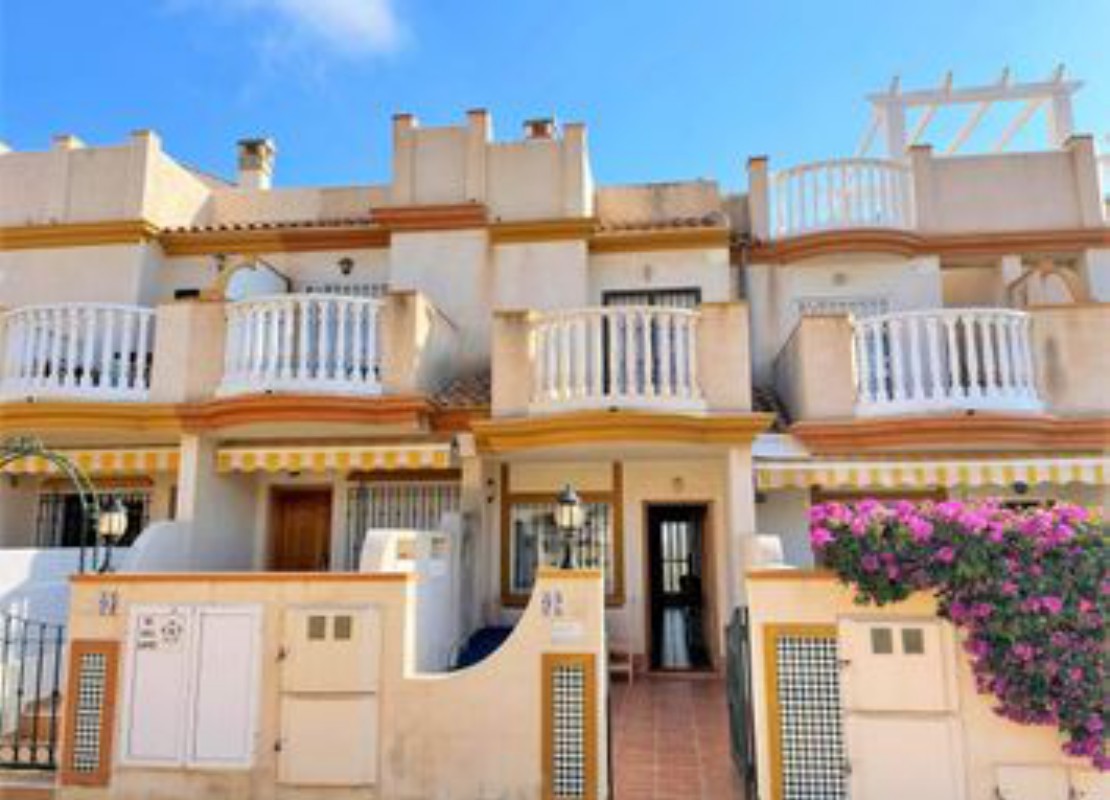
Who Can Be a Guarantor?
The bank’s screening process for a guarantor can be even stricter than for the loan applicant. A qualified guarantor usually needs to meet these criteria:
- Excellent financial standing: Possessing a very stable and sufficient income.
- No or very little debt: They do not have significant loans in their name.
- Owns a mortgage-free property: This is a huge plus; banks love this type of guarantor.
- Appropriate age: Being too young or too old may not be acceptable.
To give you a clearer picture, here’s a simple comparison table:
| Role | Key Aspects Reviewed by the Bank |
|---|
| Loan Applicant | Income stability, type of employment contract, down payment amount, credit history |
| Guarantor | Strong financial solvency, asset portfolio, debt-free status |
The Huge Risks of Being a Guarantor
Please be sure to warn any family or friends you plan to ask for help! Being a guarantor in Spain is not just a formality of signing a paper. Spanish guarantees are typically ‘solidary guarantees’ (fianza solidaria), which means that if the borrower stops making payments, the bank can directly pursue the guarantor for the entire outstanding debt—including principal, interest, and penalties—without first having to liquidate the borrower’s assets. In other words, if your friend can’t make the monthly payments, the bank could directly freeze your parents’ pension account or even auction off their property. This is an incredibly serious responsibility!
What If You Can’t Find a Guarantor?
If you really can’t find a suitable guarantor, don’t lose hope. You can try the following options:
- Increase your down payment: Work on saving more money to lower your LTV ratio. This is the most direct and effective method when you need a guarantor for buying a house in Spain.
- Shop around: Different banks have different risk management policies. If one says no, try another. Talk to managers at several banks; some youth-friendly banks might offer solutions that don’t require a guarantor.
- Purchase additional products from the bank: For instance, buying their designated home insurance or life insurance. While it adds to the cost, it can sometimes persuade the bank to be more flexible on the guarantor requirement.
- Rent first: If your current situation makes getting a guarantor for buying property in Spain unfeasible, consider renting for a few years to build a stronger employment and credit history.
Getting a mortgage in Spain is a major step, and the guarantor is one of the most complex and high-stakes parts of the process. I hope today’s sharing has been helpful to those who need it. Feel free to leave a comment below and share your own experiences dealing with banks!
