Lately, I’ve seen many discussions on the forum about choosing a university. A friend recently asked me about the University of Burgos and whether it’s worth attending. I’ve spent some time researching it and have also spoken with a few friends who graduated from there. Today, I’m starting this thread to share what I’ve found, hopefully providing a useful reference for students currently in the decision-making process.
University of Burgos Rankings
When people think of rankings, the first things that come to mind are often the major world university lists like QS and THE. To be honest, as a young public institution founded only in 1994, the University of Burgos doesn’t have a dazzling profile in these comprehensive rankings. You’d be hard-pressed to find it in the top 500, let alone the top 1000. However, this doesn’t mean it’s a subpar university. In fact, in specific fields and specialized rankings, UBU performs quite well, particularly in research output and certain departments.
I’ve put together a simple table so you can get a clearer idea of its positioning:
| Ranking/List | Performance/Highlights |
|---|
| THE World University Impact Rankings | Ranks highly on SDG goals such as ‘Clean Water and Sanitation’ and ‘Industry, Innovation and Infrastructure’. |
| U-Ranking (Spain) | Often ranks among the top Spanish universities for research productivity. |
| I-Ranking | Focuses on evaluating R&D and technological innovation capabilities; UBU shows consistent performance. |
| El Mundo Subject Rankings | Its programs in Chemistry, Food Science and Technology, and others are highly competitive within Spain. |
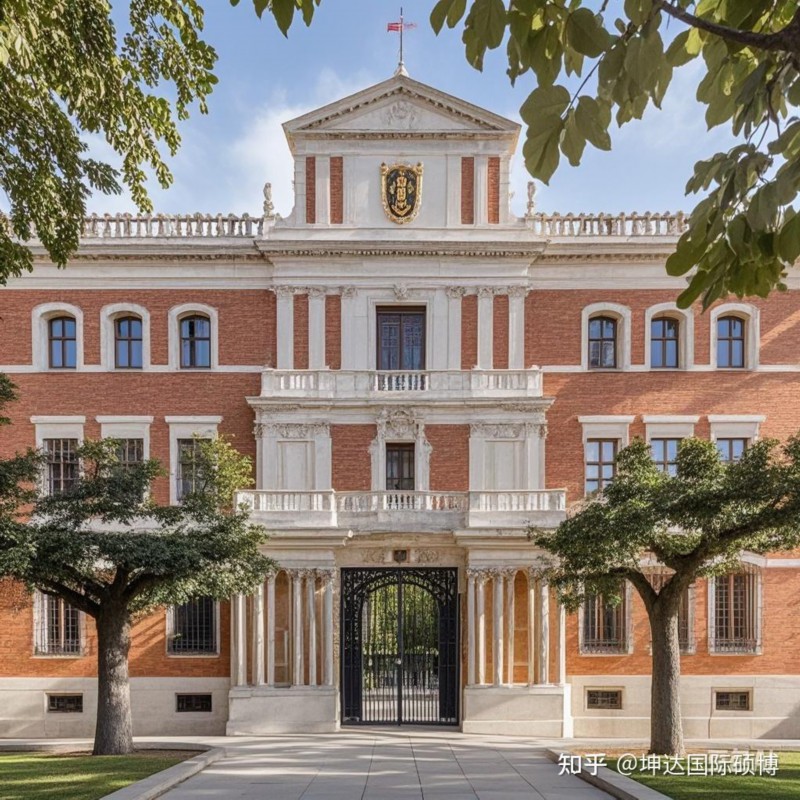
The Real Experience Beyond Rankings
Rankings are just cold, hard numbers; the real student experience is what matters most. According to my friends, the overwhelming feeling of studying at the University of Burgos is that it’s simply ‘pleasant and relaxed’. First, Burgos itself is a beautiful, historic Spanish city with a slow pace of life and a great safety record. Compared to Madrid and Barcelona, the cost of living is significantly lower, which means considerable savings for us international students.
UBU boasts an ideal student-to-faculty ratio. Since both the university and the city are relatively small, classes are generally small, allowing for a great deal of interaction between professors and students. Many professors even know most of their students by name. This close student-faculty relationship is incredibly beneficial for learning and in-depth research—a luxury that is hard to come by in large, urban universities. The campus facilities are modern, particularly the science and engineering labs, which are well-equipped. If you genuinely want a quiet place to focus on your studies, rather than the hustle and bustle of a big city, the academic environment here is first-class.
So, if you are looking for great value for money, a quiet and safe environment for study and life, and wish to pursue advanced studies in fields like Chemistry, Food Science, or Cultural Heritage, the University of Burgos is an option worth serious consideration. However, if you are a social butterfly who loves a bustling scene and vibrant nightlife, you might want to think twice. It can feel a bit like a small town, after all. I hope this information has been useful! I also welcome any current or former UBU students to share their experiences in the comments below!
