Lately, I’ve been seeing a lot of videos about the idyllic life in the Spanish countryside—blue skies, sipping coffee under an olive tree… it’s all very tempting. It sparked a bold idea: for those of us in Spain on a modest budget, could we just buy a small house with a yard in a rural area? After all, property prices in the cities are getting out of hand. In theory, it’s completely legal for foreigners to buy property in Spain, and the process isn’t much more complicated than for locals. But in practice, are these rural homes really as perfect as they seem online?
When browsing sites like Idealista, you often see country cottages or farms listed for just a few tens of thousands of euros, sometimes even as low as €10,000 or €20,000, especially in regions like Galicia, Asturias, or inland Andalusia. The photos look like something out of a fairy tale. For that price in Madrid or Barcelona, you probably couldn’t even afford a parking space, which makes the idea of buying a house in rural Spain incredibly tempting. But be warned, these pictures can hide some unpleasant ‘surprises’.
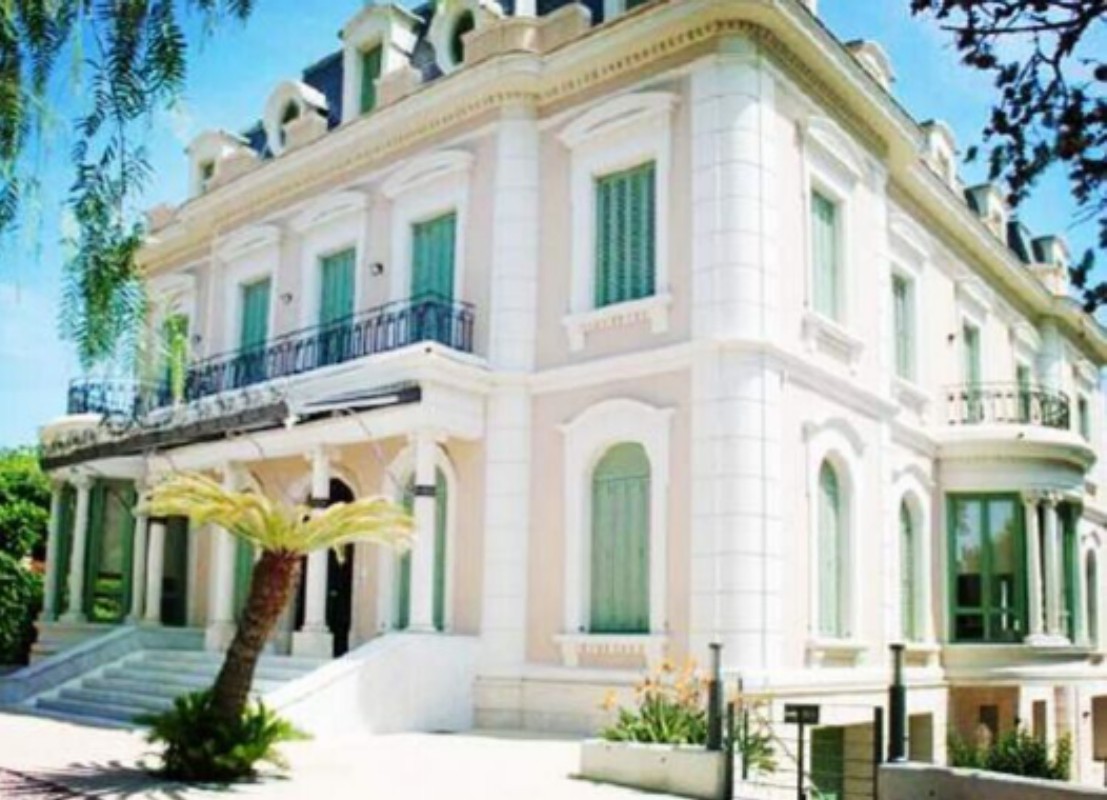
The Gap Between Dream and Reality
A low price often means the property is in poor condition. Many of the old houses listed are actually ruins that need a complete rebuild. This means on top of the purchase price, you’ll need a substantial renovation budget—which could easily exceed the cost of the house itself. The legal aspects are even more critical. In rural Spain, the land classification is crucial. If the property is on ‘Suelo Rústico’ (rural land) instead of ‘Suelo Urbano’ (urban land), there will be strict restrictions on renovating, extending, or even rebuilding it. Before you buy, you must confirm the property has a legal certificate of occupancy (cédula de habitabilidad)! Otherwise, you might end up with a legally registered ‘tool shed’ that you’re not allowed to live in.
Key Points to Consider Before Buying
To give you a clearer picture, I’ve created a simple table comparing the main differences between buying in the city versus the countryside:
| Aspect | City Apartment | Rural Cottage |
|---|
| Initial Price | Generally high | Relatively low |
| Renovation Cost | Low to none | Potentially very high for a rural home purchase |
| Infrastructure | Fully developed | May require new connections or upgrades |
| Legal Paperwork | Relatively standard | Extremely complex, requires thorough review |
| Convenience | High | Lower, car-dependent |
| Community Integration | More anonymous | Close-knit, for better or worse |
Escaping the city for a life in the countryside is a feasible dream, but it’s definitely not a decision to be made on a whim. My advice: never buy a property sight unseen. You absolutely must visit in person, and more than once. It’s best to go during different seasons to understand the local climate and environment. Most importantly: hire an independent lawyer and an architect who are familiar with the local area to review all the documents and inspect the property’s structure. Don’t just take the real estate agent’s or the seller’s word for it. Has anyone here already successfully made the move? Or if you’re currently house-hunting, let’s share stories about the pitfalls we’ve encountered!
