I’ve been looking at properties in Barcelona recently and was about to sign a contract, but I ran into some conflicting information from the owner and the real estate agent about who is responsible for the transfer fees. Some said to follow the law, while others mentioned ‘common practice,’ which left me confused. To avoid future disputes, I took the time to do some thorough research and consulted a local lawyer friend. Today, I’m sharing what I learned, hoping it can help those who are currently buying or planning to buy a home.
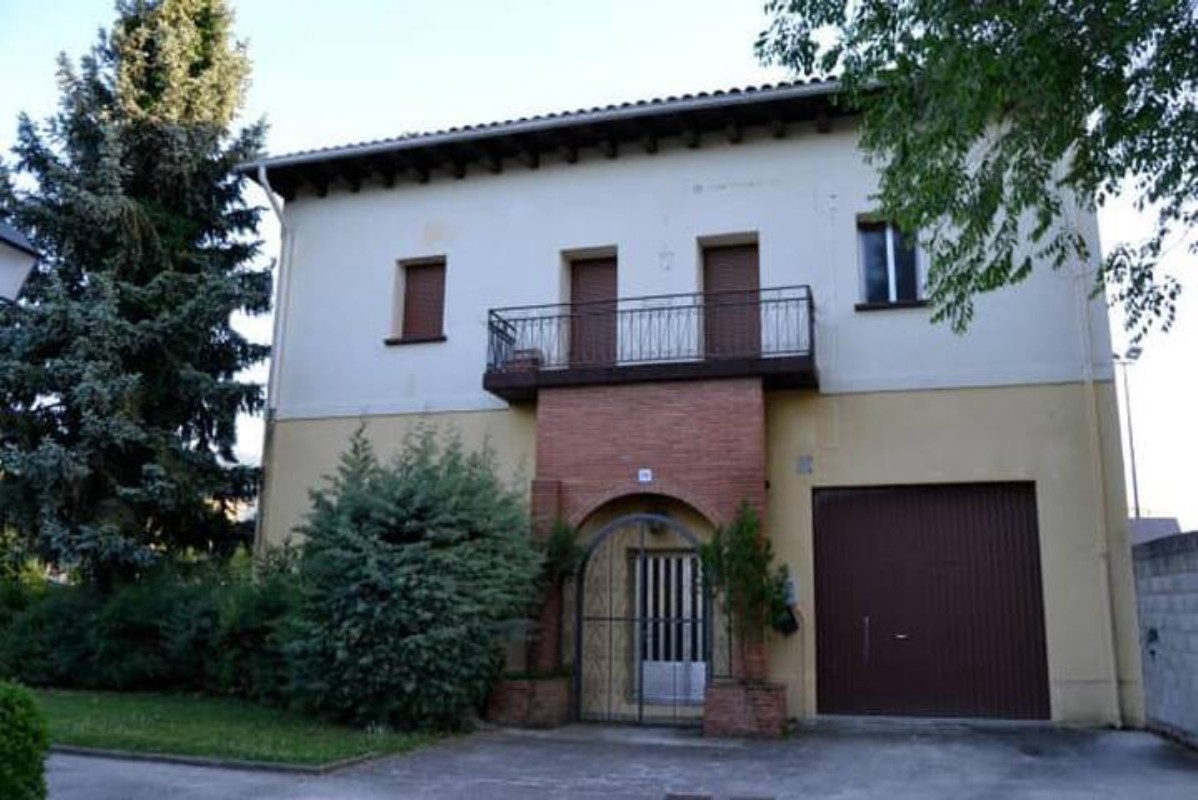
In Spain, the law clearly outlines how property purchase costs are to be divided. However, in practice, many of these terms can be renegotiated and stipulated in the sales contract between the buyer and seller. Therefore, understanding the legal regulations is your foundation for negotiation, and putting everything in writing in the contract is the ultimate way to protect yourself. Never rely on verbal agreements!
A Detailed Breakdown of the Costs
Let’s break down each cost item by item to see who is legally responsible for paying what.
Costs Borne by the Buyer
This is the largest portion of the home-buying expenses and generally leaves little room for negotiation.
- Notary Fees: By law, the seller is responsible for the cost of the original deed, while the buyer pays for all subsequent copies. However, common market practice is often for the buyer to cover all notary fees. This should be explicitly stated in the contract.
- Property Registry Fees: The cost of registering the new deed in your name is, by law, entirely the buyer’s responsibility.
- Taxes: This is the largest single expense in the costs of buying a property in Spain! If you are buying a new-build property, you’ll pay VAT (IVA). For a resale property, you’ll pay the Property Transfer Tax (ITP). The rates vary by autonomous community, but in either case, the buyer is always responsible for payment.
Costs Borne by the Seller
Many people think the seller’s job is done once they receive the money, but that’s not the case. The seller also has costs to cover.
- Municipal Capital Gains Tax (Plusvalía Municipal): Officially known as the “Tax on the Increase in Value of Urban Land,” this tax is calculated based on the length of time the property was owned and the cadastral value of the land. The law stipulates that it
must absolutely be paid by the seller. Some sellers may try to pass this cost onto the buyer in the contract, so be very careful, as this is not a compliant practice for Spanish property transfer fees.
- Income Tax on Capital Gains: If the seller makes a profit from the sale, this gain must be declared as capital gains in their personal income tax return the following year. This is, of course, the seller’s own responsibility.
To make it clearer, here is a summary table:
| Cost Item | Party Responsible by Law | Common Market Practice |
|---|
| Notary Fees | Seller and Buyer | Usually paid entirely by the buyer or negotiated |
| Property Registry Fees | Buyer | Buyer |
| Property Transfer Tax (ITP) / VAT (IVA) | Buyer | Buyer |
| Municipal Capital Gains Tax (Plusvalía) | Seller | Seller |
| Agency Fees | Usually the seller | Seller |
So, my final advice is this: before signing any legally binding document, especially the preliminary sales agreement, be sure to have a lawyer review the terms and clearly state in black and white how all costs will be divided. For example, including a clause like, “Todos los gastos e impuestos derivados de la compraventa serán satisfechos por la parte compradora, a excepción del Impuesto sobre el Incremento de Valor de los Terrenos de Naturaleza Urbana , que será a cargo de la parte vendedora.” can prevent the vast majority of future disputes. I wish everyone a smooth journey in buying their dream home!
