Recently, more and more people on the forum are looking at properties. I’ve noticed that many are often confused about Spanish property concepts, especially terms like Piso, Chalet, and Ático, and aren’t sure which one is right for them. I’ve just gone through the entire process of viewing and buying a home, learned a few things the hard way, and summed up some experiences. Today, I’m starting this thread to share them with everyone, hoping it can help those of you on your property-hunting journey.
A Guide to Common Spanish Property Types
First, let’s clarify some basic concepts. Property types in Spain are a bit different from what some might be used to. The main ones we often hear about are:
Piso
This is the most common type of urban residence, equivalent to what we might call a flat or apartment. They are usually in multi-story buildings with an elevator. The advantages are a great location, convenient living with complete amenities, relatively good security, and a more affordable total price. The disadvantages are the need to pay community fees (gastos de comunidad), potential issues with noise from neighbors, and the usable area is often significantly smaller than the constructed area.
Chalet
This is a broader category, generally referring to a detached or semi-detached house with a yard. It’s further divided into several types: Chalet Independiente (fully detached), offering the most privacy; Chalet Pareado (semi-detached), sharing one wall with a neighbor; and Chalet Adosado (terraced or townhouse), connected to neighbors on both sides. The advantages are ample space, having your own garden or patio, and high privacy. The disadvantages are that they are mostly located in the suburbs, requiring a car for commuting, and have higher maintenance costs and taxes.
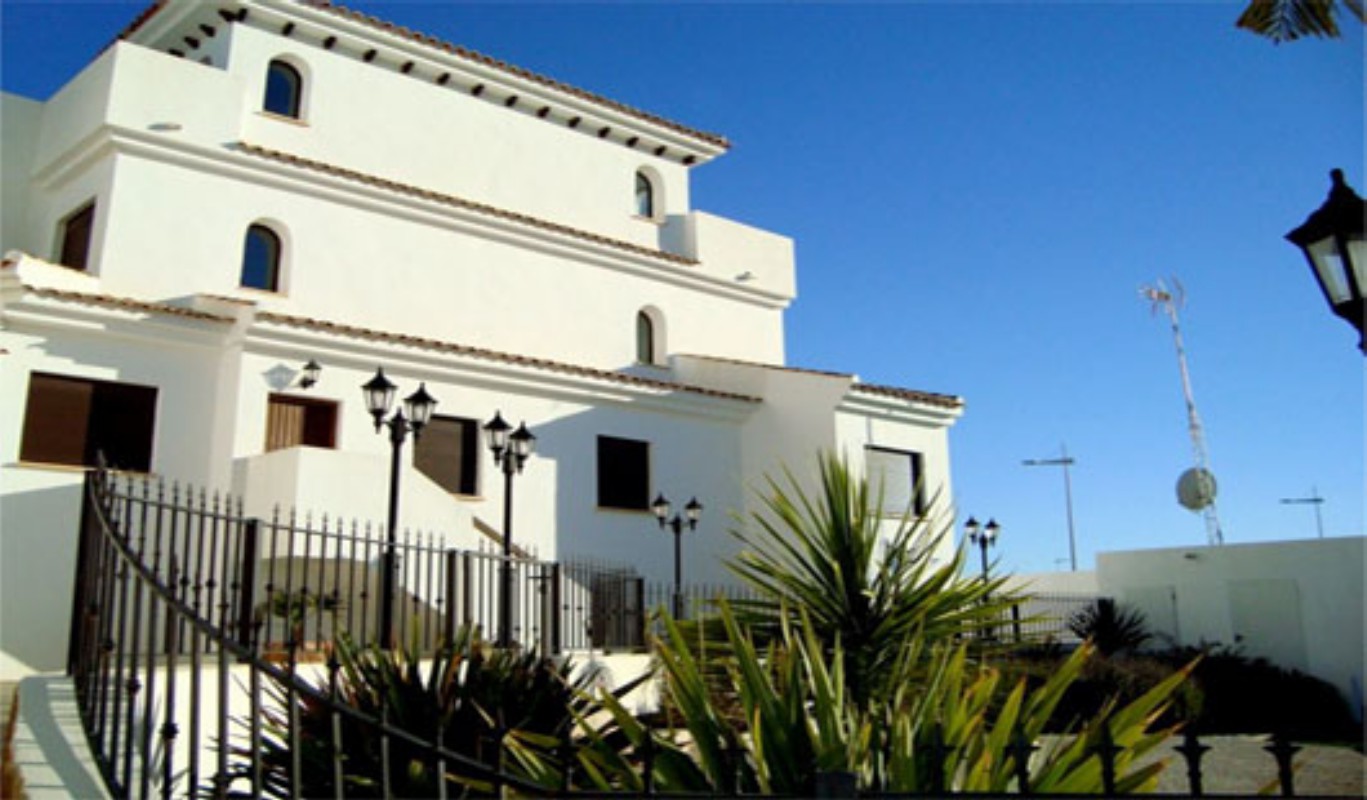
Besides these two main types, there are other special categories. For example, an Apartamento is typically a smaller flat, often located in a tourist area, and frequently used as a holiday home or for rental investment. An Ático is a penthouse apartment on the top floor with a large terrace, offering excellent views and light, but of course, it’s also the most expensive unit in the building.
To make it clearer, I’ve created a simple comparison table:
| Property Type | Pros | Cons | Best for |
|---|
| Piso | Convenient, relatively lower price, good security | Limited space, potential neighbor noise, community fees | Singles, couples, small families |
| Chalet | Large space, garden/patio, high privacy | High maintenance costs, long commute, high price | Large families with children, those seeking space |
| Apartamento | Potentially high ROI, easy to rent out | Small size, relatively lower living comfort | Investors, holiday use |
| Ático | Great views, large terrace, excellent light | Expensive; can be hot in summer and cold in winter, making the choice of property type in Spain critical; maintenance can be complex | Buyers seeking quality of life with a sufficient budget |
Ultimately, when it comes to [Spanish property types], there’s no absolute right or wrong. The key depends on your budget, family structure, and lifestyle. If you work in downtown Madrid or Barcelona, a conveniently located Piso might be the top choice. But if you have children and pets and want more space to move around, enjoying weekend barbecues in your own yard, then a Chalet in the suburbs might be more suitable for you. Buying a home is a big deal, impulse is the enemy, so be sure to view many options and compare them based on your own needs!
This is just my personal summary, and it’s certainly not exhaustive. What other unique property types have you encountered during your search? Or do you have any tips on choosing between different types? Feel free to leave a comment below to discuss and provide some references for others!
