Hi everyone, I’ve been in Spain for a few years now and often see newcomers on forums asking about renting or buying a home. Many seem confused by the different names for Spanish property types. So today, based on my own experiences and a few mistakes I’ve made along the way, I’m going to break down the common types of properties in Spain. I hope this helps those of you who are currently house hunting.
Apartment Types
This is the most common form of housing in cities. But even among apartments, there are quite a few different names and distinctions.
Piso: This is the most standard term, what we would generally understand as an ‘apartment’ or ‘flat’. It typically refers to a self-contained unit with multiple rooms within a residential building.
Apartamento: This usually refers to a smaller apartment, often a one-bedroom or a studio. In tourist areas, this term is also frequently used for holiday apartments rented out to visitors.
Ático: This is the top-floor apartment, essentially a penthouse. It’s definitely a ‘hot property’ among apartments, usually featuring a large terrace, unbeatable views, and better privacy. Of course, they also come with the highest price tag.
Bajo: This is a ground-floor apartment. The advantages are easy access without needing to climb stairs or wait for an elevator, and some ground-floor units even come with a small patio or garden. The downsides are less privacy, potentially less natural light than upper floors—as discussed in this guide on Spanish property choices—and security might be a greater concern.
Dúplex / Tríplex: These are duplex or triplex apartments, meaning they span two or three floors within the building, connected by an internal staircase. They offer a great sense of space, but you should consider the convenience of stairs if you have elderly family members or young children.
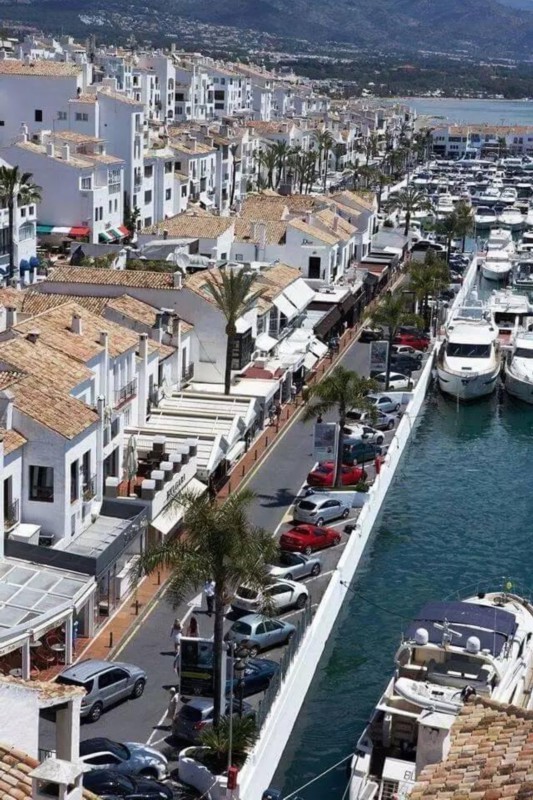
House Types (Chalets)
If your budget allows, or if you prefer a quieter, more independent living space, then you might consider a house.
Chalet Adosado: This is a terraced or townhouse. It’s a row of houses joined side-by-side, where each unit shares walls with its neighbours on both sides. They usually come with a small garden or patio and are a more affordable type of house.
Chalet Pareado: This is a semi-detached house. It consists of two houses sharing a single common wall, like a ‘two-in-one’ detached house. It offers more independence than a terraced house.
Chalet Independiente / Individual: This is a detached house. It stands on its own plot of land with no shared walls with neighbours. This type offers the most privacy and freedom of space. Unless you’re rolling in money, this is often the ultimate dream home.
To make it clearer, I’ve created a simple table to compare some of the common property types:
| Property Type | Location | Key Features | Privacy Level |
|---|
| Piso | Mid-level of an apartment building | Most common, standard layout | Standard |
| Ático | Top floor of an apartment building | Usually has a terrace, great views | Good |
| Bajo | Ground floor of an apartment building | Easy access, may have a patio | Low |
| Chalet Independiente | On its own plot of land | Detached, large space | Very High |
Which property type you choose ultimately depends on your budget, family needs, and personal preferences. I’d recommend that once you’ve decided on an area, you should go and physically see various Spanish property types to get a real feel for them. After all, buying a home is a major decision, and you can’t go wrong with viewing and comparing more options. Have you come across any other unique property types? Or do you have any tips from your own house-hunting experience? Feel free to share in the comments below!
