Hello everyone, after living in Germany for a few years, I’ve finally taken the plunge and bought my own little place in Spain. The whole process had its ups and downs, and I learned a lot along the way. I figured there might be others on this forum, like us, looking to escape the gloomy German weather for sunny Spain, so I decided to share my experience.
German winters are… well, you know. I felt like I was growing mold, haha. The sunshine, food, and the generally more relaxed pace of life in Spain are just so appealing. Plus, compared to the soaring property prices in Munich or Berlin, you can get a house with a yard or a large terrace in many coastal areas of Spain, like the Valencian Community or Andalusia, for the same budget. It feels like a completely different quality of life.
Compared to the meticulous process of buying a house in Germany, the Spanish way feels a bit more… flexible, which also means you need to be more proactive. There are two crucial things you must do right at the beginning: First, apply for your NIE number immediately. This is your all-purpose identification for any economic activity in Spain; without it, you can’t even open a bank account, let alone go through the process of buying a property in Spain. Second, find a reliable, independent lawyer who works exclusively for you! Don’t try to save money on this. A good lawyer will investigate the property for any debts, illegal constructions, or other issues, and is far more trustworthy than a real estate agent who is just focused on closing the deal.
Germany vs. Spain: Key Differences in the Home-Buying Process
To give you a clearer picture, I’ve put together a simple table comparing some key points of the home-buying process in both countries:
| Key Step | Germany | Spain |
|---|
| Core Documents | Grundbucheintrag (Land Registry Extract) | Nota Simple & Cédula de Habitabilidad (Occupancy Certificate) |
| Legal Safeguards | The Notar (Notary) plays a crucial role, responsible for reviewing contracts and background checks. | The Abogado (Lawyer) is responsible for due diligence; the Notario mainly witnesses the signing. |
| Deposits | Usually no deposit; payment process begins after signing the notarized contract. | There’s a reservation deposit and a down payment. If the buyer backs out, the deposit is forfeited. |
| Potential Risks | Standardized process, lower risk. | Risks of illegal constructions, property debts, etc., which require careful investigation by a lawyer. |
In addition to the points mentioned in the table about Germans buying property in Spain, when viewing properties in Spain, always ask for the Energy Performance Certificate (Certificado de Eficiencia Energética). Also, it’s crucial to have your lawyer obtain an up-to-date Nota Simple for you. This document contains the most essential official information about the property, such as who the owner is and whether there are any mortgages or liens against it.
Here’s a photo of our dream coastal cottage to motivate myself and everyone else!
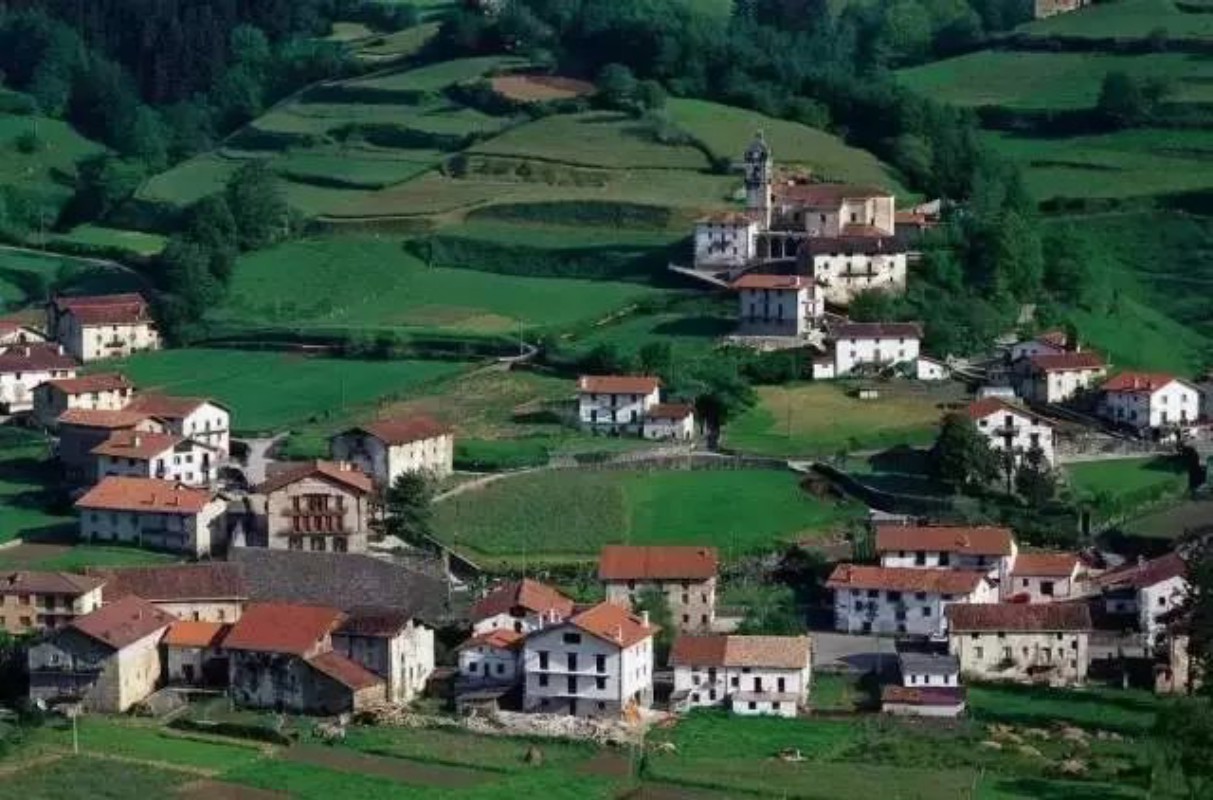
Although the process was more complicated than I expected, the thought of living under the Mediterranean sun in the future makes it all worthwhile. I hope my sharing can be a small reference for you. I also welcome others with experience to add their insights so we can all learn from each other! Which Spanish city do you prefer? Valencia? Malaga? Or Alicante?
