Buying Property in Spain for Residency: From House Hunting to Getting Your Permit
Lately, discussions about moving to Spain have been heating up on the forum, especially on how to secure residency by purchasing property. As someone who’s been through it, and having navigated some pitfalls myself, I’m starting this thread to talk about the complex process of buying property and immigrating to Spain. I hope this helps those of you who are still considering it.
First, we need to be clear about our goals. Are you just looking for a visa to travel freely within Europe, or do you genuinely want to settle down and live here? This will determine which path you take. Currently, [the main routes for residency by property purchase in Spain] are the “Golden Visa” and the “Non-Lucrative Residency,” and they have completely different requirements for the property.
| Residency Type | Property Investment Requirement | Pros | Cons |
|---|
| Golden Visa | Investment of €500,000+ in real estate | Fast processing, no residency requirement, allows you to work in Spain | High capital threshold |
| Non-Lucrative Residency | No specific amount, just need a stable address | Low capital threshold, suitable for retirees or freelancers | Requires staying for 6 months per year, does not permit working in Spain |
Once you’ve figured out the residency aspect, the next step is the property buying process. The process is quite straightforward, but you can’t be careless at any stage. Most importantly, you absolutely must hire a reliable lawyer! Don’t try to handle all the paperwork yourself to save money; it can lead to major trouble later on. The basic steps are: applying for an NIE number -> finding and viewing properties -> paying a deposit and signing the preliminary contract (contrato de arras) -> the lawyer conducts due diligence -> opening a bank account and transferring funds -> signing the final deed (escritura) at the notary’s office -> paying the remaining balance and taxes -> getting the keys and registering the property at the Land Registry.
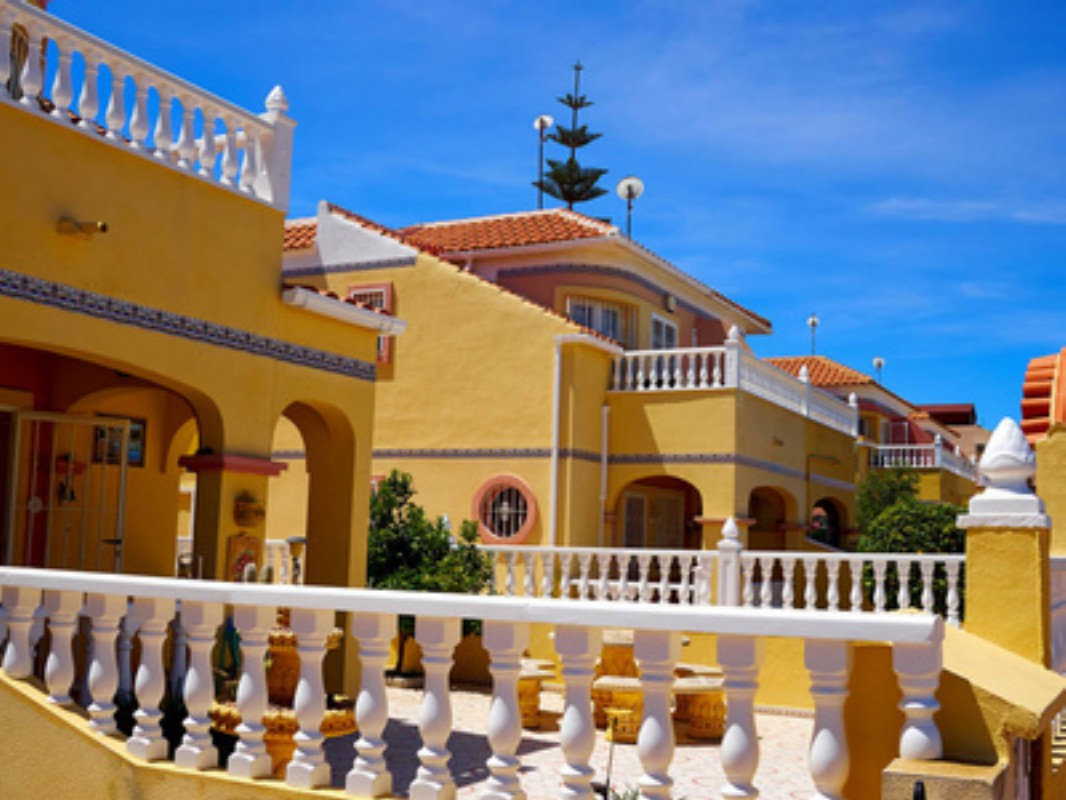
As for where to buy, that’s really a matter of personal preference. If you’re looking for an investment that you can also live in, and you value convenience and city life, then the central areas of Madrid and Barcelona are the top choices. Although prices are high, their value retention and appreciation potential are also significant. If you’re looking for better value for money and a relaxed Mediterranean lifestyle, consider [southern cities for property immigration] like Málaga or Alicante. With their sun, beaches, and more affordable housing prices, they are perfect as [a holiday home or a retirement residence].
Buying property in Spain is a systematic process, with immigration planning, financial preparation, and legal procedures all interlinked. The more homework you do upfront, the smoother the process will be. I hope the information I’ve compiled here provides a basic framework for you. Have you encountered any strange experiences or have any money-saving tips from your own property-buying journey? Feel free to reply below and join the discussion!
