Lately, I’ve seen a lot of newcomers on the forums asking: is it expensive to buy a house in Spain? To be honest, this question is hard to answer with a simple ‘yes’ or ‘no’. I’ve been in Spain for several years, so I’d like to share my perspective based on my own observations and knowledge.
It All Depends on Where You Buy
First, let’s be clear: just like in many other countries, property prices in Spain vary massively by region. If you’re looking in downtown Madrid or Barcelona, or in some popular affluent areas, the prices are definitely not cheap—in fact, they can be quite high. But if you shift your focus to second-tier coastal cities like Valencia or Malaga, or even smaller inland towns, it’s a completely different story. You might find some excellent value-for-money options.
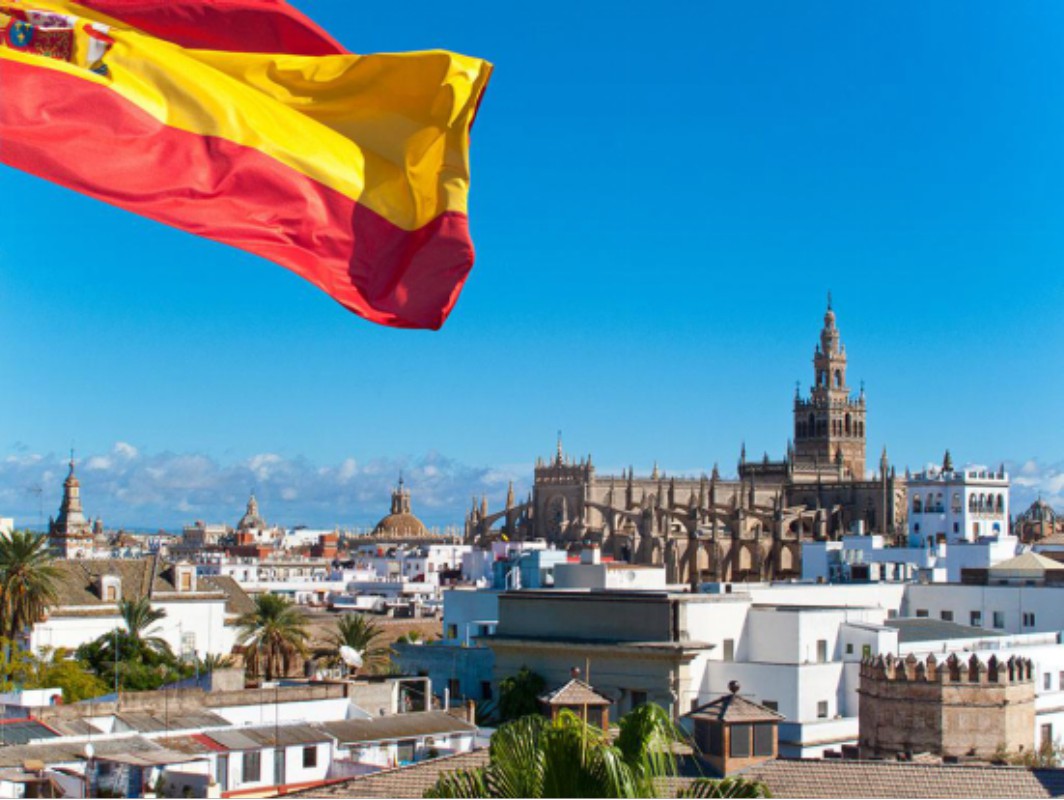
Let’s Look at the Data: A Comparison of Spanish Property Prices in Major Cities
Talk is cheap, so I’ve gathered some average prices from websites like Idealista to give you a clearer reference. Of course, these are just averages, and specific properties can vary a lot:
| City | Average Price per m² |
|---|
| San Sebastián | €5,300 |
| Barcelona | €4,100 |
| Madrid | €4,000 |
| Valencia | €2,200 |
| Alicante | €1,750 |
| Murcia | €1,200 |
As you can see from the table, the price differences between cities are worlds apart. That’s why ‘Spanish property prices’ is a bit of a misleading term; it’s more meaningful to discuss ‘property prices in a specific city’.
The ‘Hidden Costs’ Beyond the Price Tag
Furthermore, you can’t just look at the asking price. In Spain, purchasing a resale property mainly involves paying the Property Transfer Tax (ITP), with rates varying by autonomous community, typically between 6% and 10%. For new properties, you pay Value Added Tax (IVA), which is usually 10%. Add to that notary fees, registry fees, legal fees, etc., and all these miscellaneous costs add up to roughly 10%-15% of the property price as extra expenses. This is not a small amount of money!
The Price-to-Income Ratio: This Is the Key
And this is the most crucial point: we can’t talk about property prices without considering income. The average annual salary in Spain is around €30,000 before tax. Let’s assume it’s a bit higher, netting you €2,000 a month after tax. Now, imagine buying an 80-square-meter apartment in Madrid, which could easily cost €320,000. Even with a 20% down payment, that’s over €60,000, and the remaining monthly mortgage payments would still be significant. Therefore, for the average local working-class person, buying a home in a big city is a major life event and is by no means a piece of cake.
Compared to major international hubs, property prices in Spain might seem advantageous in absolute terms, but when you factor in local income levels, the financial pressure is still very real. The good news, however, is the variety of options available. Whether for investment or personal use, the principle of ‘something for every budget’ is perfectly illustrated in the Spanish property market. What do you all think? Feel free to share the property prices and your experiences in your area!
