Recently, the conversation with my friends inevitably turned to buying a house. It feels like for our generation, whether we’re international students or grew up locally, it’s the ultimate question we all face after graduation. Seeing some friends who have been working for a few years start to look at properties makes me feel both envious and anxious. For those of us just a year or two out of university, earning an entry-level salary, is buying a home in Spain actually realistic?
A Brutal Reality Check
Let’s start with income. For most professions, a recent graduate in a major city like Madrid or Barcelona can expect to take home around €1,500 to €1,800 after taxes, which is a decent start. But what about property prices? A decent piso in a reasonably accessible location can easily cost upwards of two to three hundred thousand euros. Banks usually require a down payment of at least 20% of the property value, plus another 10%-12% for various taxes and fees. What does this mean in practice? Let’s look at a specific example.
The Mountain of a Down Payment
Let’s say we find an apartment we like for €200,000. How much cash do we need upfront?
| Item | Estimated Cost |
|---|
| Property Price | 200,000 € |
| Down Payment (20%) | 40,000 € |
| Taxes + Fees (10%) | 20,000 € |
| Total Upfront Investment | 60,000 € |
Sixty thousand euros! For someone who can only save a few hundred euros a month, that’s an astronomical figure. Without help from family, it feels like it would take ages to save up, not to mention that property prices will likely continue to rise.
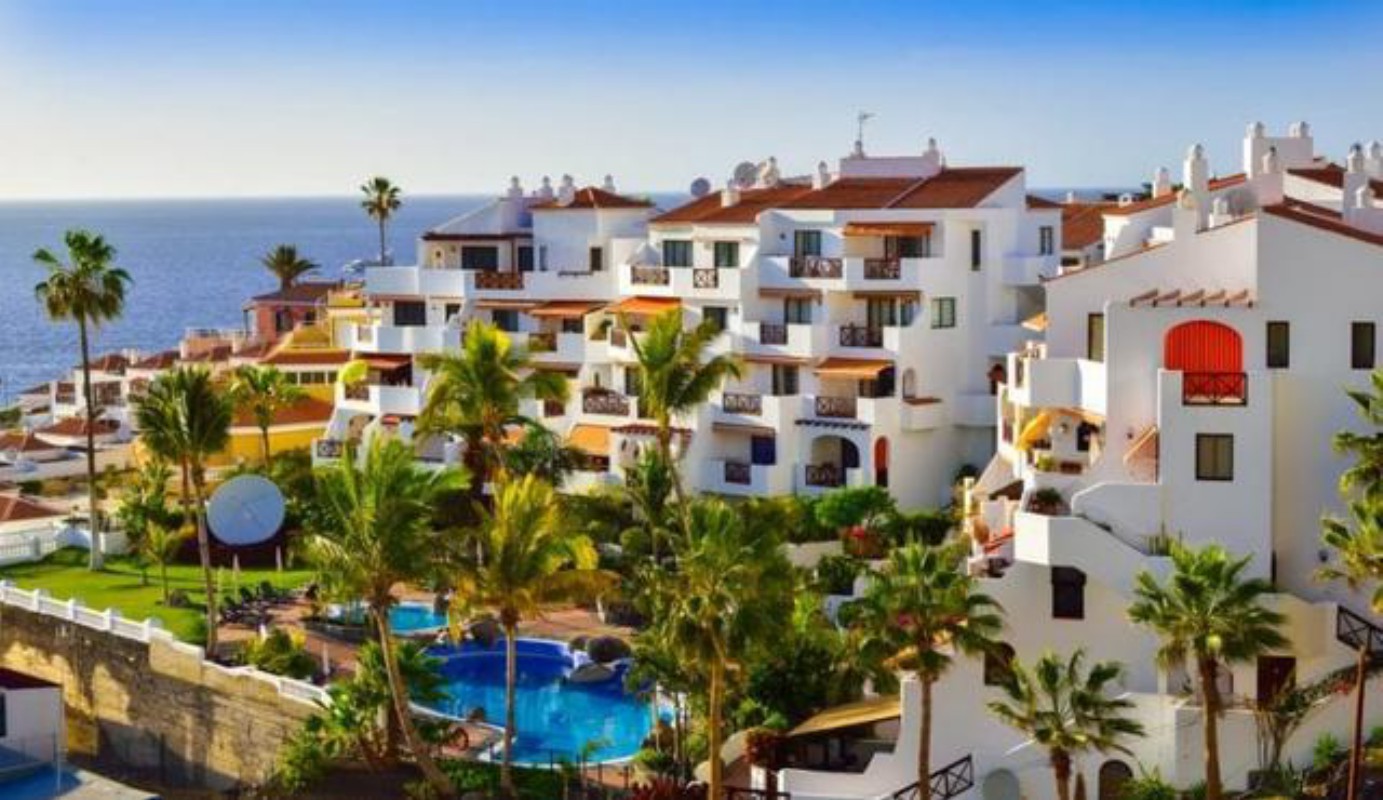
Besides the down payment, the monthly mortgage payment is also crucial. Banks have an unwritten rule that your mortgage payments shouldn’t exceed 30%-35% of your net income. With a €1,600 monthly salary, your maximum mortgage payment would be around €560. A €160,000 loan over 30 years at current interest rates would result in a monthly payment close to, or even exceeding, that amount. This means you’d be living paycheck to paycheck after paying your mortgage, with a drastic drop in quality of life and no financial buffer for emergencies. The dream of buying a luxury downtown apartment will have to wait.
But it’s not entirely hopeless. For those considering buying a house in Spain, if you look at the outskirts of Madrid or Barcelona, or move to second-tier cities like Valencia, Seville, or Zaragoza, property prices are much more affordable. You could probably get a bigger and better place for the same budget. However, job opportunities then become the new challenge. It feels like a catch-22. I’m curious how the more experienced members on this forum planned for this. Has anyone managed to successfully get on the property ladder within a few years of graduating? Please share your experiences and give a newbie some hope!
