Hello everyone. Recently, I overheard my neighbors talking about our building needing an ITE and hiring an engineer. At first, I was completely confused. What is an ITE? It sounded very important. After some research and asking knowledgeable friends, I finally understood. I believe this information is particularly useful for anyone planning to buy property in Spain, especially older homes, so I’ve put together this guide to explain it, including what happens if an ITE fails.
What Exactly is an ITE?
ITE stands for Inspección Técnica de Edificios, which translates to “Technical Building Inspection.” In simple terms, it’s like a periodic health check for the building. The Spanish government mandates that buildings of a certain age must undergo a comprehensive safety inspection periodically to ensure they are structurally sound, stable, and fit for habitation. This inspection is not for your individual apartment but for the entire building.
What Does an ITE Primarily Inspect?
This inspection is not just a formality; a professional architect or technician will come to assess the entire building. They focus on several key areas:
- The overall structural integrity and foundation stability.
- The condition of exterior and interior walls, balconies, etc., checking for cracks or risks of detachment.
- The waterproofing and structural condition of the roof and rooftop terraces.
- The proper functioning of the building’s shared plumbing and sewage systems.
Essentially, it’s a top-to-bottom “physical exam” of the entire building to identify and eliminate safety hazards.
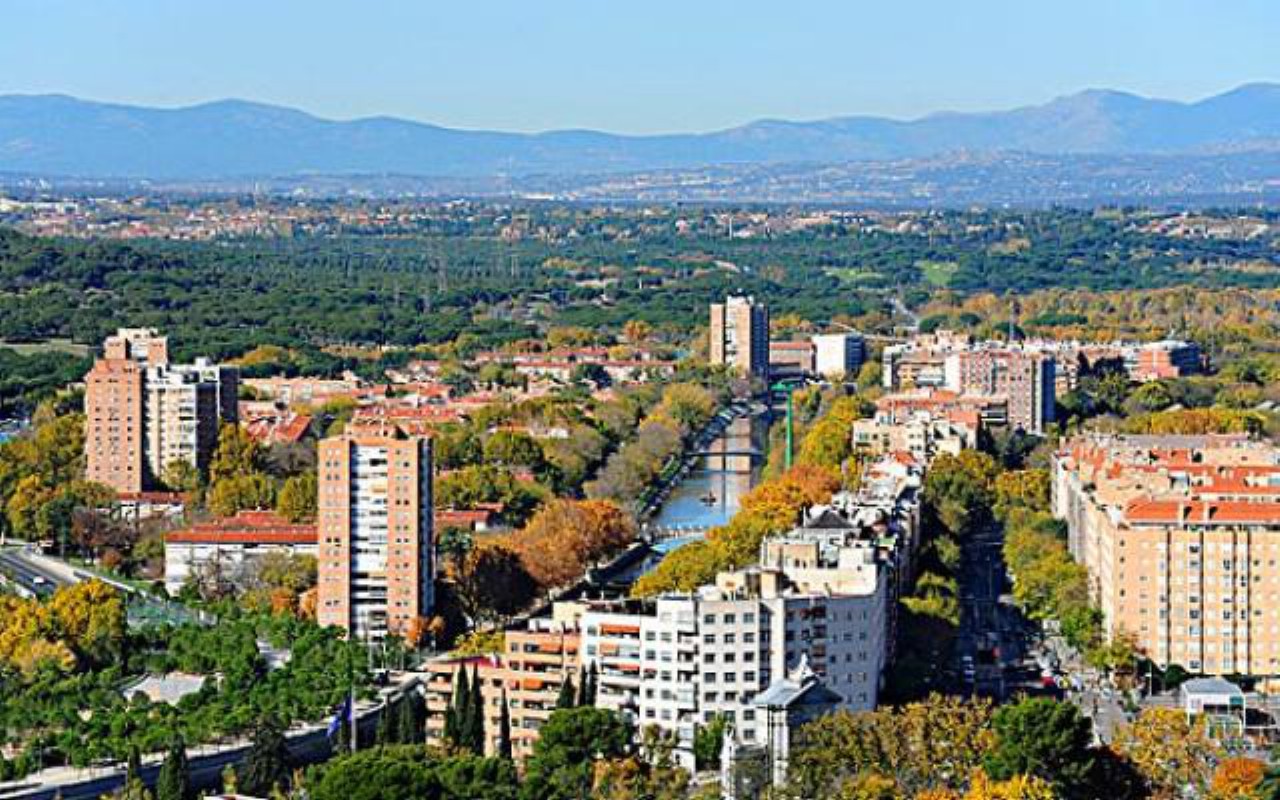
After the inspection, a report is issued, and the results typically fall into one of two categories. I’ve made a simple table to help you understand:
| Result | Meaning | Follow-up Action |
|---|
| Favorable | The building is in good condition and meets safety standards. | No immediate repairs are needed. You can continue living there worry-free until the next 10-year inspection cycle. |
| Desfavorable | Problems were found, and there are safety hazards. | The homeowners’ association (comunidad de propietarios) must organize repairs within a specified timeframe and then apply for a re-inspection. |
Now for the most important part! What happens if the ITE result is Desfavorable? This means the building requires repairs. The cost of these repairs can be substantial and must be shared among all the property owners in the building, proportional to their ownership share. This special fee is what’s known in Spain as a Derrama. If you happen to buy a property where the ITE has just been conducted and failed, you’ll be faced with a hefty repair bill right after becoming a homeowner. This cost can range from a few hundred euros to several thousand, or even tens of thousands, depending on the scale of the repairs.
So, a word of advice: when buying a pre-owned property in Spain, especially in an older building, you must proactively ask the agent or the seller: When was the last ITE done? Did it pass? If it hasn’t been done yet, when is it scheduled? Getting clear answers to these questions can help you avoid the unpleasant “surprise” of a large repair bill shortly after moving in. I hope this has been helpful! If anyone has more information, feel free to add to the discussion below!
