Hi everyone, I’ve just settled down in the suburbs of Madrid. The whole process, from viewing properties to signing the final papers, took me nearly six months. I ran into quite a few pitfalls along the way but also gathered some very practical experience. I’m writing this to share with those who are currently or planning to buy a house in Spain, hoping to help you avoid some common mistakes.
Area: Location is King
The first step in buying a home is always location. Don’t just rely on photos and prices on Idealista; you must visit the area in person to get a feel for the neighborhood. It’s a completely different world during the day versus at night. We almost bought an old flat in the city center because the price was tempting, but after a walk around at night, we realized it was too noisy with too many bars and quickly changed our minds. Key things to check: local safety, public transport accessibility, and the proximity of good schools, supermarkets, and medical centers. For families with children, the school district is particularly important.
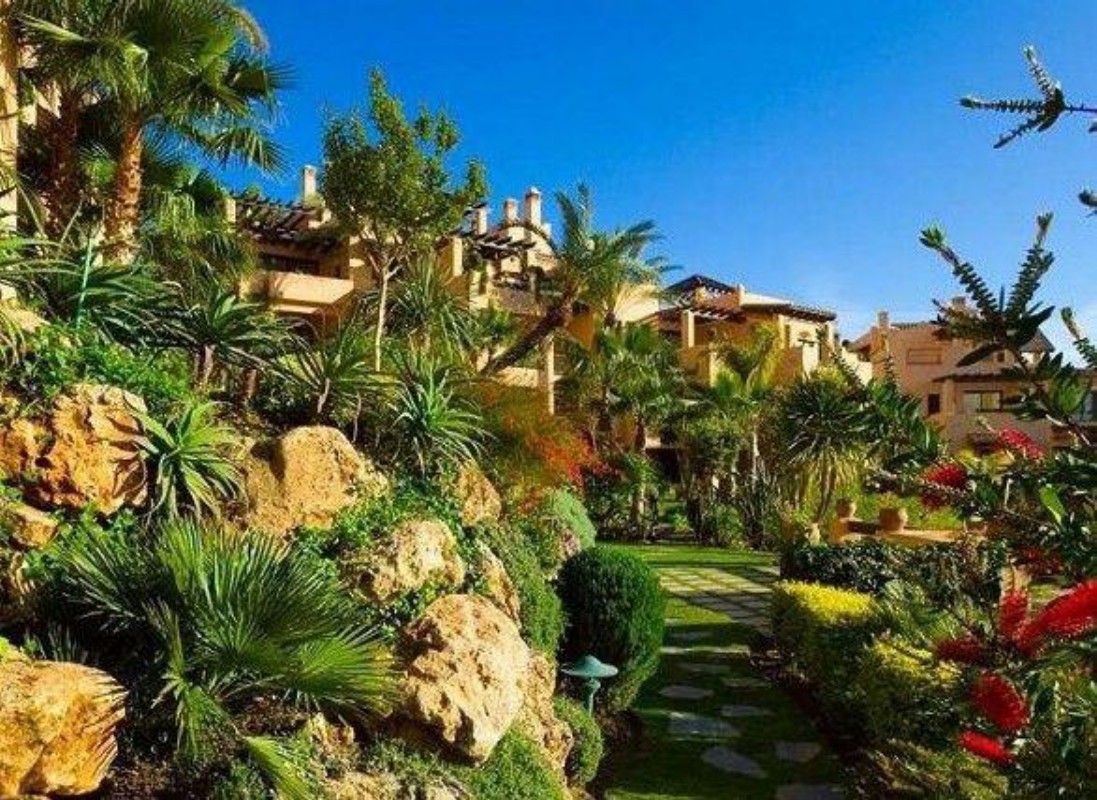
Property Types: The Best One is the One That Suits You
There are several common types of housing in Spain, each with its pros and cons. I’ve made a simple comparison table:
| Type | Pros | Cons |
|---|
| Piso | Established community, low maintenance costs, convenient transport | Complex neighbor relations, potential noise, limited space |
| Chalet | Independent and spacious, has a garden or pool | High maintenance costs, responsible for own security, long commute |
| Ático | Great views, good natural light, large terrace | Expensive, cold in winter and hot in summer, high dependency on the elevator |
Initially, I was only looking at Chalets, but then I realized I didn’t have the energy to maintain a yard, and the commute was a headache. In the end, I chose a relatively new Piso in the suburbs with a large balcony, which felt like the perfect balance between practicality and comfort.
Orientation and Energy Efficiency: A Deciding Factor for Your Utility Bills
This is absolutely crucial! Spain has strong sunlight, and the property’s orientation directly affects your living experience and energy costs. Simply put, south-facing is the golden standard; it’s warm and sunny in the winter, saving a lot on heating. North-facing is cooler in the summer but can be cold and damp in the winter. East-facing gets the morning sun, while west-facing gets the intense afternoon sun. Also, when buying, you must check the Energy Performance Certificate (EPC), which is rated from A to G. A G-rated property can consume several times more energy than an A-rated one, which means your electricity and gas bills will be shockingly high.
Property Condition: The Devil is in the Details
When looking at a pre-owned home, besides the structure, pay close attention to a few details. For example, check for water stains on corners and ceilings, as this is a very difficult problem to fix when buying a house in Spain. Check how well the windows seal; old single-pane windows have poor thermal and sound insulation. Also, inspect the electrical wiring and plumbing. If they’re too old, renovating them can cost a fortune. It’s best to hire a professional architect or surveyor to accompany you on a viewing. Spending a few hundred euros for peace of mind is absolutely worth it.
Buying a property in Spain is a process that requires patience and attention to detail. View multiple properties, compare them carefully, don’t just take the agent’s word for it, and never make a rushed decision. I wish you all the best in finding your dream home!
