It’s that time of year again—graduation season. Looking at the beautiful weather outside, then back at the chaotic mess that is your dissertation on your computer, specifically the Spanish university thesis cover page, feeling overwhelmed? At least, I know I was. The content is done, but your advisor keeps pointing out formatting errors, forcing you to revise it countless times. Today, speaking from experience, I’m here to break down everything you need to know about Spanish university thesis formatting. Hopefully, this will help you avoid the struggles I went through!
First Things First: Always Check the Official Guidelines
The most important thing to remember: Every university, and even every faculty, might have different Spanish university thesis requirements! So, before you start formatting, the very first thing you must do is go to your faculty’s official website, find the guidelines, and read them from start to finish. It will detail everything from the cover page to the bibliography—that is your ‘gold standard’! Don’t be lazy; this step can be a lifesaver.
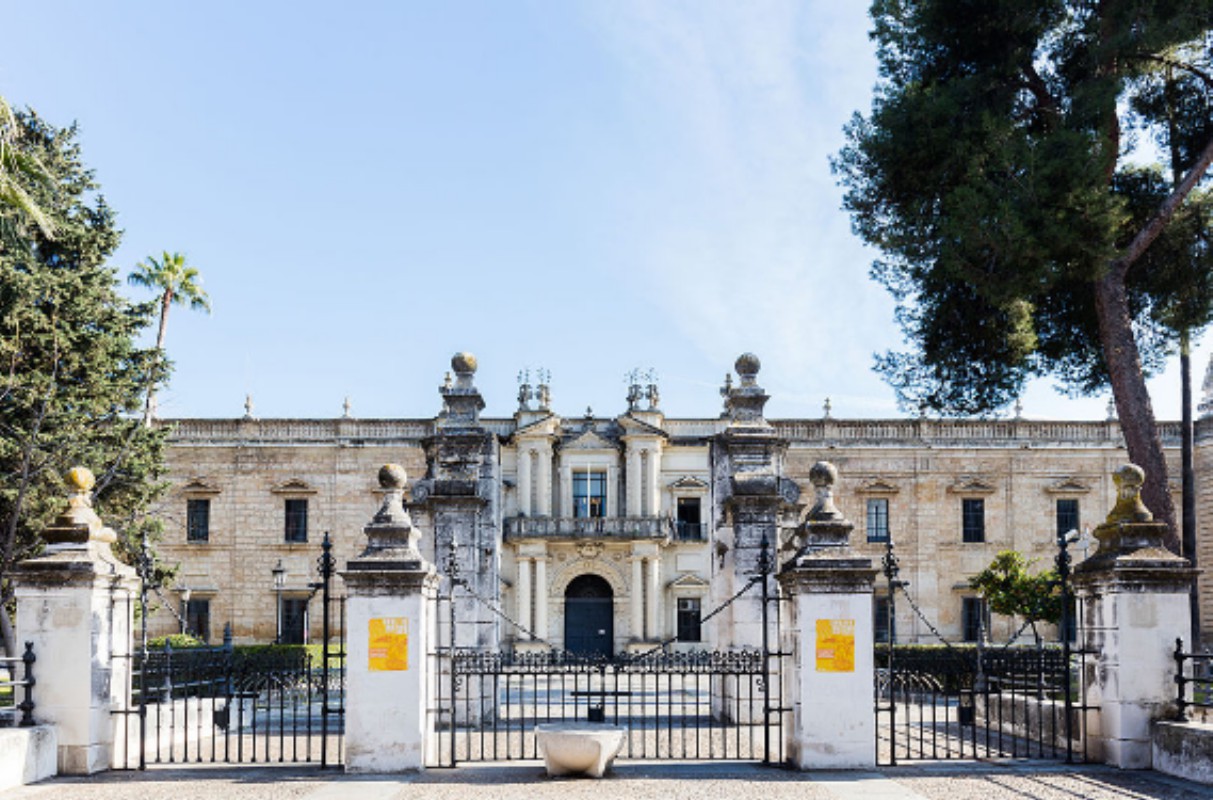
A Breakdown of General Thesis Structure and Formatting
While specifics can vary between institutions, the general structure and requirements have a lot in common. Here’s a general framework and some common rules you can use as a reference.
Cover Page, Abstract, and Main Body
The cover page usually requires the university logo, thesis title, author’s name, advisor’s name, submission date, etc. For the abstract section, you’ll generally need both a Spanish Resumen and an English Abstract, typically between 200-300 words, followed by 3-5 keywords. The formatting details of the main body are crucial, and most universities have clear rules. Here are some common settings:
| Item | Common Requirement |
|---|
| Font | Times New Roman or Arial |
| Font Size | 12pt |
| Line Spacing | 1.5 or 2.0 |
| Alignment | Justified |
| Margins | 2.5cm for top, bottom, left, and right |
As for in-text citations, you must strictly follow the required style. It’s crucial for the academic rigor of your paper. Most social sciences and humanities programs will require APA style, while engineering, architecture, and similar fields may prefer the UNE-ISO 690 standard.
Bibliography and Useful Tools
The bibliography is a key area for plagiarism checks and grading! Even a single formatting error can cost you points. Entering citations manually is not only tedious but also prone to errors. I highly recommend using a reference management tool like Zotero or Mendeley. These tools can automatically generate a bibliography in APA, UNE, or other required formats with a single click. They’re a game-changer! Additionally, for checking spelling and grammar, you can use Grammarly or LanguageTool for Spanish. They can help you catch small mistakes you might otherwise miss.
Getting the format right comes down to this: ‘Read the official guidelines carefully + Use the right tools’. I hope this post gives you some direction. Does your university have any peculiar formatting rules? Or do you have any secret layout tricks? Feel free to share in the comments below. Let’s support each other and graduate successfully!
