Lately, many newcomers on the forum have been asking about their children’s schooling, especially about what public primary schools are really like. My kid just started first grade this year at a local public school, so I have some firsthand experience to share. I’d love to chat about it and hear everyone else’s thoughts.
The Pros of Public Schools
When it comes to public schools, the biggest advantage is, of course, that they are free! Apart from fees for books and lunch, there are hardly any major expenses. Most teachers are civil servants, which means they offer stability and are very experienced. I feel that Spanish public education places a strong emphasis on a happy childhood and social skills. The academic pressure isn’t high; there are plenty of outdoor activities and craft classes to encourage children’s imagination. Classmates come from diverse family backgrounds, which is great for helping children understand multiculturalism from a young age.
Aspects to Consider
Of course, there are downsides too. The facilities in public schools can be quite inconsistent; some schools are rather old. The number of students in a class in Spanish public primary schools might be slightly larger than in private schools, so teachers may not be able to give 100% attention to every child. The teaching pace is relatively slow. If you’re a parent seeking an ‘elite education’ or hoping for your child to ‘get a head start’ academically, you might find public schools a bit too ‘laid-back’. However, this doesn’t mean the teaching quality is poor—it’s just a different educational philosophy that prioritizes well-rounded development. The notion that teachers are completely hands-off is, at least at my child’s school, not true.
To give everyone a clearer understanding of Spanish public primary schools, I’ve made a simple comparison table summarizing the main differences between the three types of schools:
| Type | Cost | Language of Instruction | Religious Affiliation |
|---|
| Public | Free | Spanish/Regional languages | None |
| Semi-private (Concertado) | Subsidized | Spanish/Bilingual | Usually |
| Private | Expensive | Spanish/Bilingual/International | Varies |
There’s no absolute right or wrong, only what’s suitable for your family. If you’re on a limited budget and want your child to have a relaxed, happy childhood while integrating into the local culture, a public school is an excellent choice. However, if you have higher expectations for facilities, the language environment, or specific teaching methods, then you might need to look beyond Spanish public schools and consider semi-private or private options.
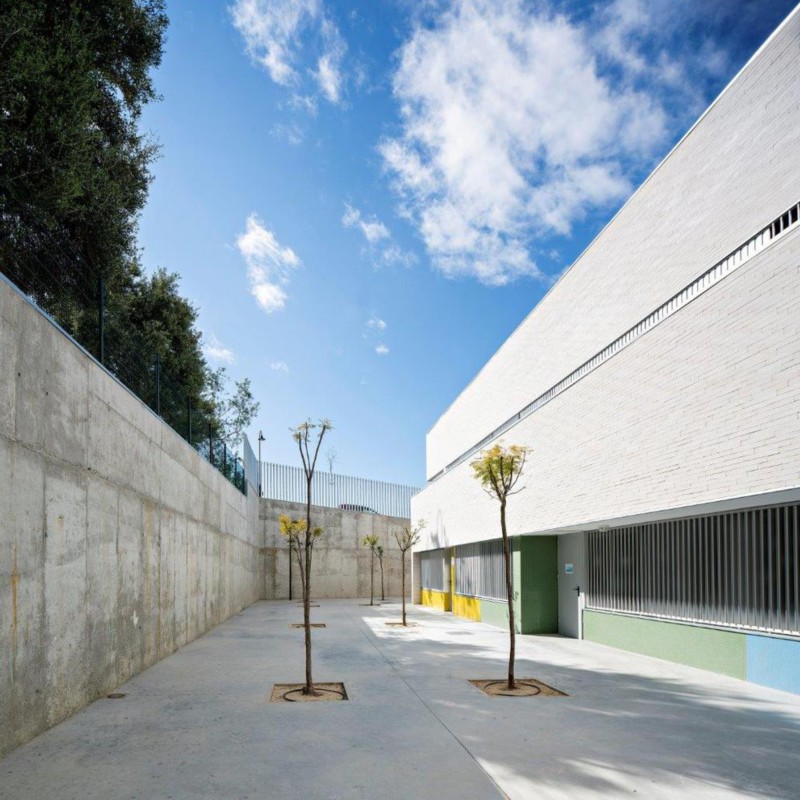
What kind of schools do your children attend? Feel free to share your experiences and help others who are making their choice!
