Having just moved to Spain, many of my friends are struggling with their children’s schooling. The most common question I hear is: What are public schools really like? It seems to be a timeless topic in our Chinese community. As someone who’s been through it and learned a few things the hard way, I want to share my honest thoughts on Spanish public schools today. These are just my personal views, and I welcome everyone to join the discussion!
The biggest advantage is, without a doubt, that they are free. ‘Free’ here means no tuition fees, which can save a family a significant amount of money. However, it’s important to note that free doesn’t mean zero cost. You still have to pay for textbooks, materials, school lunches, and extracurricular activities. Even so, compared to private schools where tuition can easily exceed ten thousand euros a year, public schools offer incredible value for money.
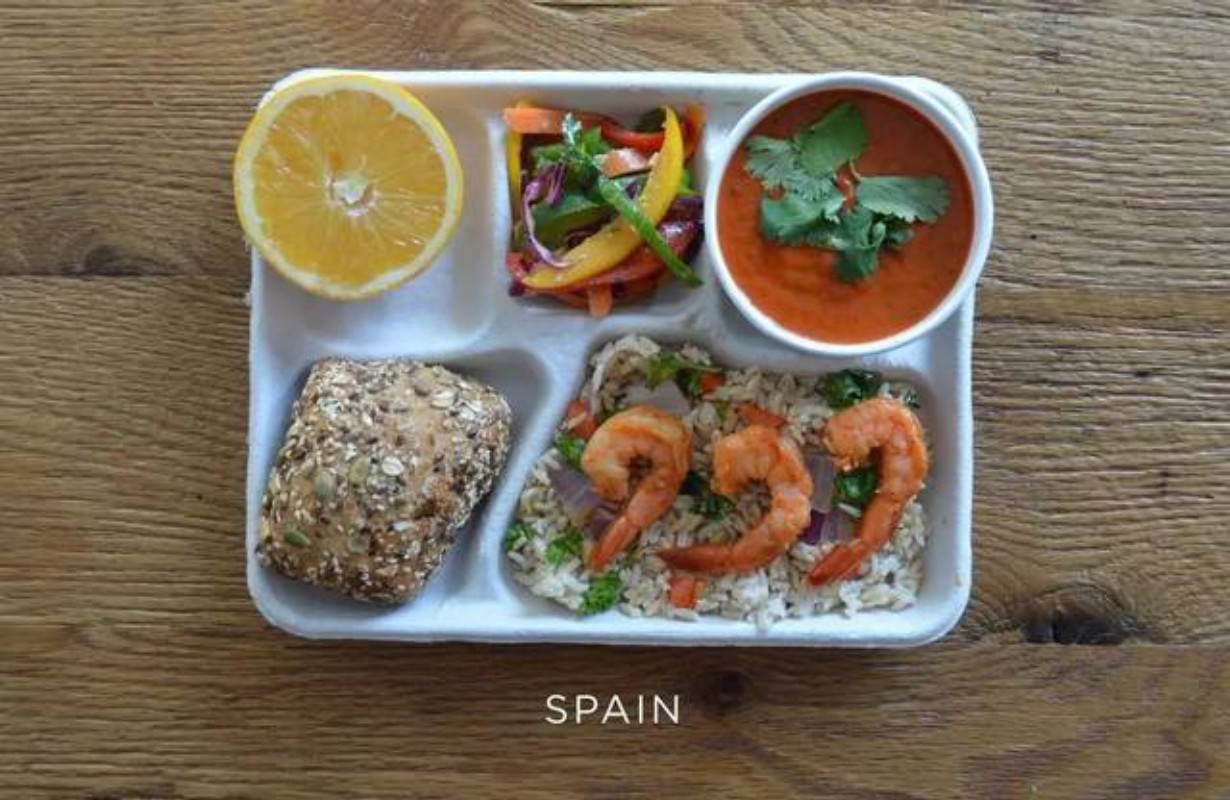
Next, let’s talk about integration. I believe this is a huge, underrated advantage of public schools. In a public school, your child’s classmates and teachers are all locals. They are immersed in a pure Spanish-speaking environment every day, and their language skills will improve by leaps and bounds. Moreover, through school activities, parents can also meet many local Spanish parents. For those of us looking to break out of the Chinese community and truly integrate into local society, this aspect of Spanish public schools is a massive help. Your child’s playmates are their neighbors, and arranging a weekend meetup at the park or a birthday party quickly makes life feel much more connected.
As for academic quality, which is what everyone cares about most, it’s a bit more complicated. The quality of public education in Spain varies greatly by region. Public schools in good districts of Madrid or Barcelona can have reputations and resources that are on par with some semi-private schools. However, schools in remote or less affluent areas might lack facilities and qualified teachers. So you can’t just say public schools are ‘good’ or ‘bad’ across the board. The key is which district you live in and the specific school itself. Before choosing, it’s essential to attend school open days and check local forums for reviews. The lottery for spots can be a killer a matter of fate; getting into a good school often comes down to points and pure luck.
A Simple Comparison: Public, Semi-Private, and Private Schools
To make it easier to understand, I’ve created a simple table for a direct comparison:
| Type | Cost | Language Environment | Social Circle |
|---|
| Public School | Mostly free | Spanish/Regional language | Local, diverse |
| Semi-private | Lower cost | Mainly Spanish | Relatively local |
| Private School | High cost | Often bilingual/international | International/Elite |
Spanish public schools are definitely not synonymous with ‘poor quality.’ They offer irreplaceable advantages in terms of cost and integration. If your family is on a budget and you want your child (and yourself) to integrate quickly into local life, a good public school is an excellent choice. However, if you prioritize an elite education, an international perspective, or a specific teaching philosophy, a private school might be a better fit. There is no ‘best’ school, only the school that is best suited for your family and your child. What do you value most when choosing a school? Feel free to leave a comment and share your thoughts!
