I’ve noticed on the forums that many newcomers are worried about schooling for their children, especially at the middle school level. Since my child just finished the first year of ESO, I thought I’d share what I’ve learned to hopefully help some of you out. We’ll be focusing on public middle schools, which in Spain is called Educación Secundaria Obligatoria, or ESO for short.
ESO is Spain’s compulsory secondary education stage, lasting four years, typically for students aged 12 to 16. It covers what many would consider middle school and the first year of high school. In public schools, this education is completely free, although you have to cover the costs of textbooks, school supplies, and some activities. Textbooks alone can cost a couple of hundred euros each year. Some autonomous communities have textbook recycling programs or subsidies, so it’s worth asking your school about them.
ESO Curriculum and Structure
The focus during this stage is on building a solid foundation. The curriculum for the first three years is quite similar for all students, covering general subjects like math, language, a foreign language, history, geography, physics, chemistry, and biology. In the fourth year, there’s a significant split where students choose a specific track based on their future academic or career goals.
| Main Tracks in the Fourth Year | Future Path | Main Subjects |
|---|
| Academic Track | Bachillerato (Pre-University) | Focus on sciences or humanities |
| Applied Track | Vocational Training (FP) | Focus on technical skills, introductory entrepreneurship, etc. |
This choice is quite crucial as it directly influences whether a student goes on to Bachillerato for university or pursues vocational training. But don’t worry too much; there are pathways to switch between them later on.
How to Apply & Daily School Life
The principle for applying to public schools is very straightforward: enrollment is based on your residential area. School placements are primarily determined by the address on your padrón (municipal registration), which dictates your school district. Therefore, planning where you rent or buy a home is key if you want your child to attend a specific school. The quality of school facilities and teaching staff can vary significantly between autonomous communities and even neighborhoods.
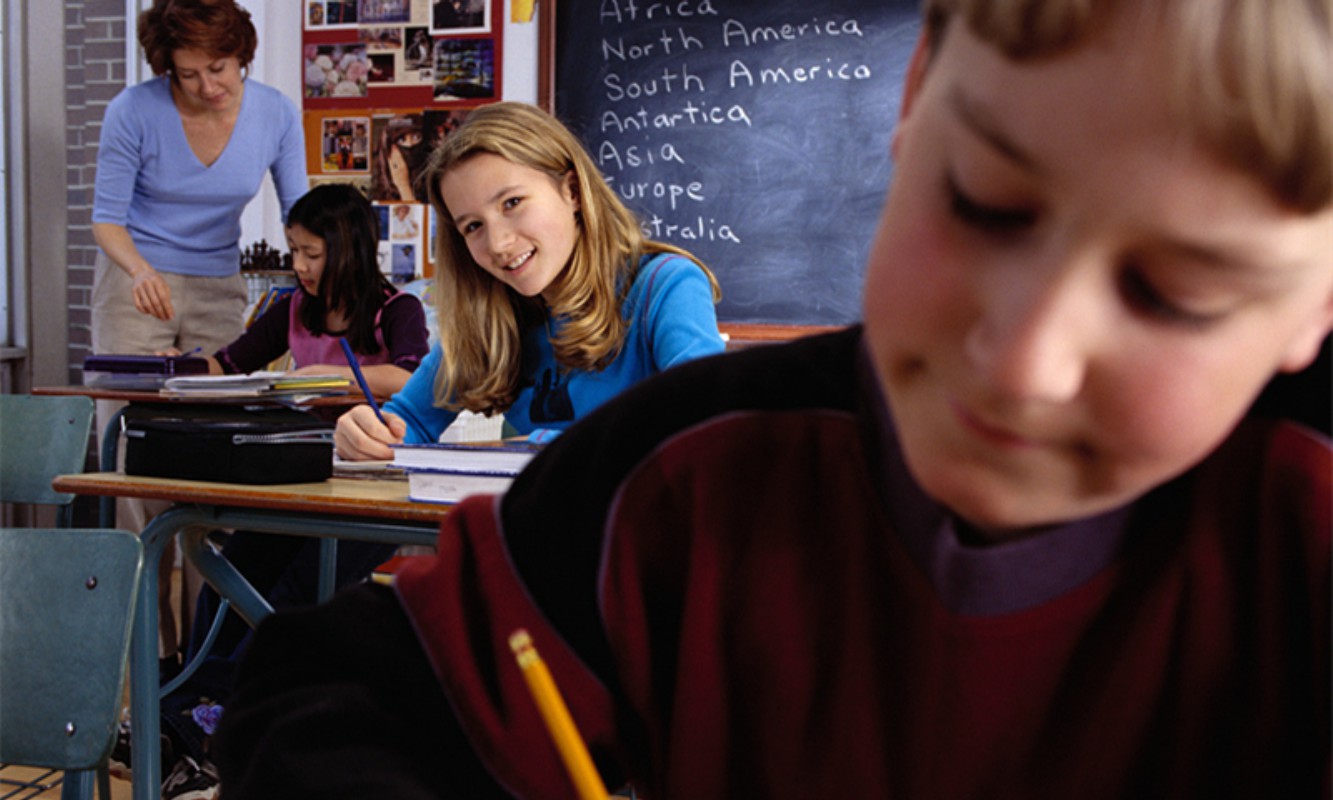
Compared to many other educational systems, school life here has a very different pace—I wouldn’t say easy, but it’s different. School usually ends around 2 or 3 PM, there isn’t a lot of homework, and there’s a strong emphasis on reading and hands-on projects. Teachers encourage students to ask questions and think independently rather than rely on rote memorization. Children who are new to the system might find it a bit ‘unstructured’ at first and will need time to adapt, especially when it comes to overcoming the language barrier.
There are good and bad sides to Spain’s public middle school education. The pros are that children have less stress, can develop personal interests, and the focus is on well-rounded development. The cons? Academics might not be as rigorous, class sizes can be large, and it’s worth looking into the real costs of public education in Spain. Plus, with a group of teenagers together, you’re bound to have some adolescent issues. Ultimately, it all comes down to parental guidance and support from home. What has your child’s experience been like in public middle school? Let’s hear your stories!
