When you’ve just moved to Spain, one of the biggest headaches for many parents is figuring out schooling for their children. The Spanish education system can be quite different from what you’re used to, and the various terms can be confusing. Today, I’ll break down the Spanish public school system based on what I’ve learned, hoping it can help those in need. Once you get the hang of it, it might seem complicated, but the whole process is actually quite straightforward.
Stages of Education in Spain
First, let’s start with the little ones.
Early Childhood Education (Educación Infantil)
This stage is divided into two cycles: the first is for ages 0-3, which are mainly daycare centers (guarderías). Public options are rare, so most are private and require payment. The second cycle is for ages 3-6, and this stage in public schools is completely free! Although it’s not part of compulsory education, almost every Spanish child attends. This period is all about play, learning social skills and basic concepts through fun activities. The teachers are incredibly caring, and there’s no academic pressure.
Compulsory Education
This is the education that, by Spanish law, all children between the ages of 6 and 16 must receive. It’s the part that most of our families are concerned about. Compulsory education is also divided into two stages:
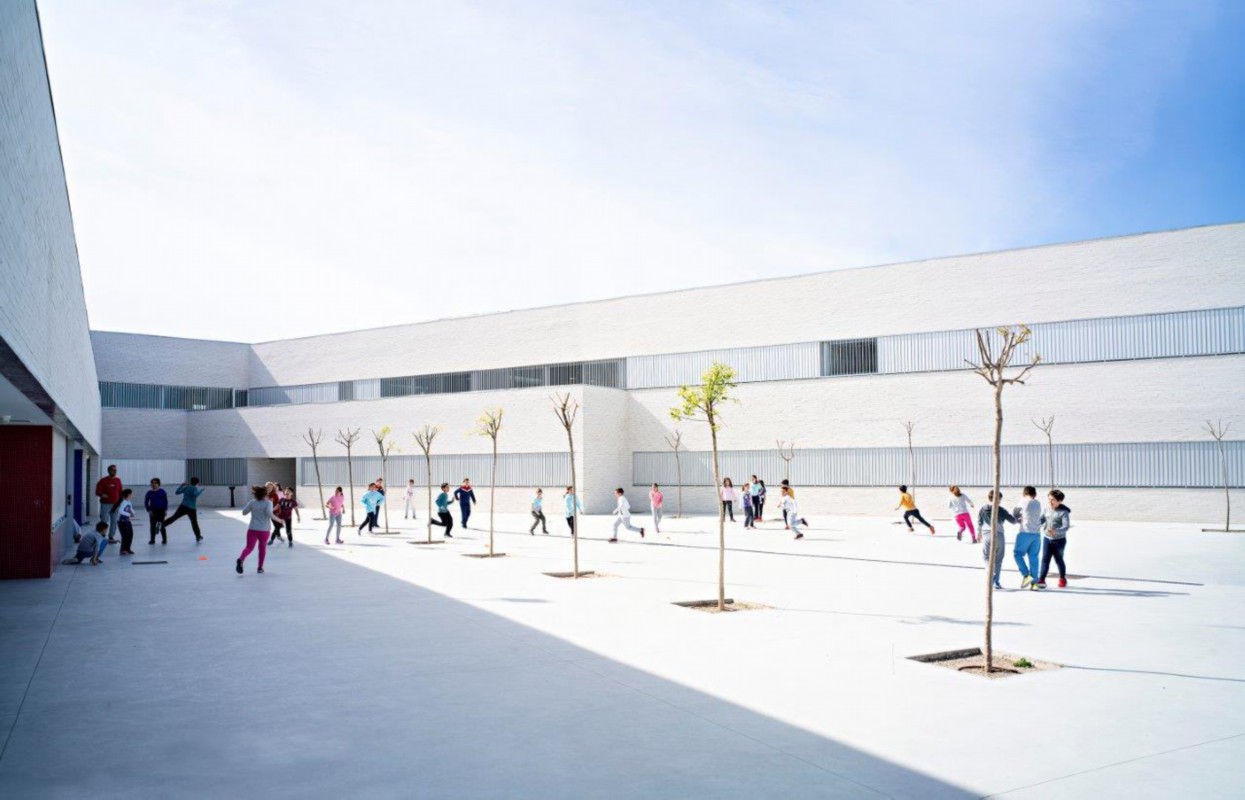
- Primary Education (Educación Primaria): From ages 6 to 12, lasting for 6 years. The curriculum is very comprehensive. Besides core subjects like language, math, natural sciences, and social sciences, subjects like physical education, music, and art are also highly valued. I feel that there’s a greater emphasis here on a child’s holistic development and practical skills, rather than just on test-taking.
To make it clearer, I’ve made a simple table:
| Educational Stage | Spanish Name | Ages | Compulsory |
|---|
| Preschool (2nd cycle) | Educación Infantil | 3 - 6 years | No |
| Primary School | Educación Primaria | 6 - 12 years | Yes |
| Secondary School | Educación Secundaria | 12 - 16 years | Yes |
High School (Bachillerato)
This stage is not compulsory and lasts for two years, typically for students aged 16-18. If a child plans to attend university, this is the required path. Bachillerato is divided into different tracks, such as Science and Technology, Humanities and Social Sciences, and Arts, allowing students to choose based on their interests and future university majors. After completing it and passing the final exams, they can apply for university.
The Spanish public education system is very well-established and is open and free to all legally residing school-aged children. When applying for a school for your child, the main factor is your proof of address (padrón), which determines your school catchment area. I hope this guide has been helpful! If you have any questions or experiences to share, feel free to join the discussion below!
