I’ve just finished renovating an old house near Málaga and can finally catch my breath. Seeing many friends on the forums asking about renovating coastal homes, I decided to share the pitfalls I encountered and the lessons I learned over the past few months. Hopefully, this will help! I’m located on the Costa del Sol, where the sunshine is incredible, but the humidity and salty air are relentless. If you don’t plan for this carefully during renovation, you’ll face a ton of problems later on.
Core Concept: Embrace the Sun and Sea
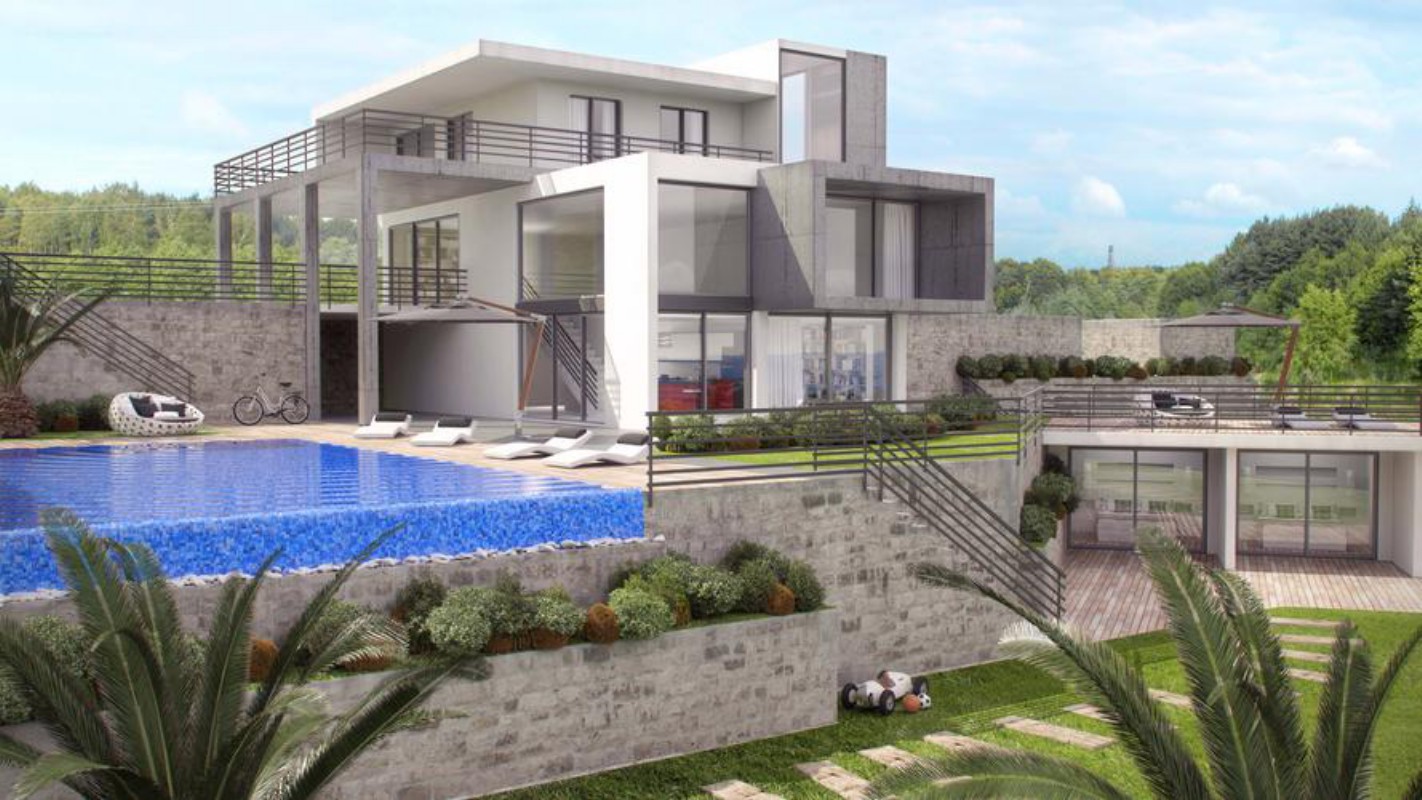
Since we chose to live by the sea, the heart of our renovation was bringing as much sunlight and ocean view into the house as possible. We replaced the original small windows with large, floor-to-ceiling sliding glass doors, making the living room and terrace feel like one continuous space. For the color palette, we used large areas of white as the base for our Spanish seaside villa, complemented by natural wood tones and turquoise blue accents in the decor. The whole space instantly brightened up, filled with a Mediterranean vibe. A key tip: avoid overly complex or dark colors, as they can feel oppressive and waste the beautiful scenery outside.
Material Selection: A Tale of Trial and Error
Choosing materials is the biggest challenge for a coastal renovation. Moisture-proofing, anti-corrosion, and sun protection are the three guiding principles. The previous owner’s solid wood flooring was already warped by the humidity. For this old beachfront villa in Spain, we replaced it all with wood-effect porcelain tiles. Although they don’t feel as warm underfoot, they are incredibly easy to maintain. We also swapped the wrought iron window frames for thermally broken aluminum ones, which offer better sealing and won’t rust from the sea breeze. Here’s a quick comparison of common flooring materials:
| Material | Pros | Cons |
|---|
| Solid Wood Flooring | Feels good underfoot, beautiful | Prone to moisture damage, high maintenance, expensive |
| Porcelain/Ceramic Tiles | Durable, waterproof and moisture-proof, easy to clean | Hard underfoot, feels cold in winter |
| Microcement | Strong artistic feel, seamless | Requires professional installation, costly |
The outdoor space is the soul of the home! The Spanish love for the ‘terraza’ is ingrained in their culture. We invested a significant part of our budget outdoors, building a wooden pergola and furnishing it with a comfy sofa and a barbecue grill. Now, this has become the spot where we spend most of our time, the true heart of our home, much like the coveted pool in a Spanish villa. We used anti-corrosion wood for the decking, which feels great underfoot. Also, be sure to choose plants suited to the local climate, like olive trees and bougainvillea. They thrive without much care and bring a lush, lively feel to the entire property.
Finally, a few more quick tips. First, ensure you have an excellent ventilation system; we installed a fresh air system with a dehumidifying function. Second, choose an air conditioner with sufficient power for both cooling and heating—you’ll need it for the hot summers and damp, cold winters. Third, before starting any work, be sure to check with the local ayuntamiento (city hall) whether you need a building permit (licencia de obra). This will save you from being reported by neighbors and fined. Okay, that’s all I can think of for now. Feel free to share your thoughts and experiences!
