Lately, I’ve been thinking a lot about the yard of my chalet and realized that designing the surrounding wall is a surprisingly deep subject. It’s more than just a simple way to enclose a plot of land; Spanish villa walls are the ‘face’ of a house, setting the first impression for any visitor. After seeing various designs in my neighborhood, I’ve gathered some insights that I’d like to share and discuss with everyone.
In Spain, wall styles are often a microcosm of regional character. In the southern region of Andalusia, the classic look is a snow-white wall, often adorned with geraniums or covered in bougainvillea, instantly evoking a Mediterranean feel. Meanwhile, in the north or mountainous areas, exposed natural stone walls are more common, offering a rustic, sturdy look that feels like it could stand for centuries. I believe the most important principle is that the wall’s style must harmonize with the main architecture of the villa; otherwise, it can look very out of place.
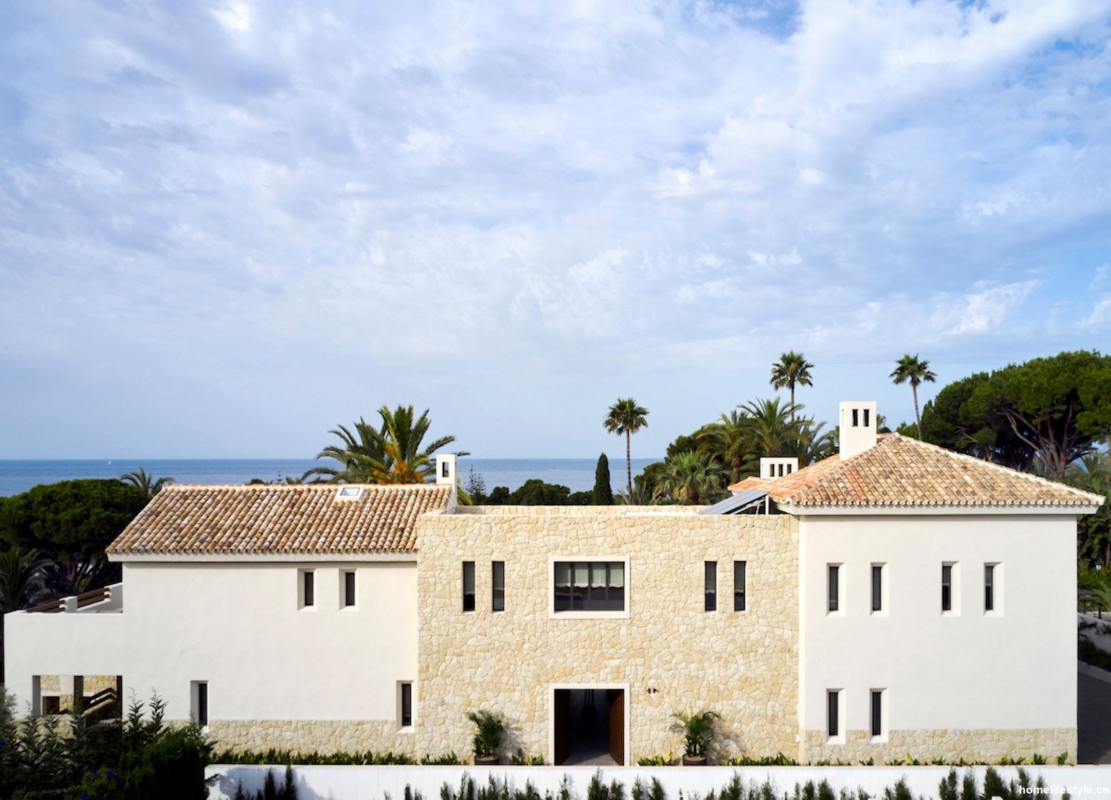
Popular Wall Styles and Materials
Traditional Whitewashed Walls
This is the most common and budget-friendly option. It’s built with bricks, then plastered with mortar and painted with a white or cream-colored exterior paint. The advantages are its clean, bright appearance and relatively simple maintenance—a fresh coat of paint is all it needs when it gets dirty. Many modern villas also use this design, creating a sophisticated look through the geometric shapes of Spanish walls.
Natural Stone Walls
If the budget allows, a stone wall is a fantastic way to elevate the property’s style. Whether using precisely cut blocks or irregular fieldstones, it brings a sense of returning to nature, conveying solidity and reliability. The downside is the high cost, and it demands a high level of craftsmanship.
Wrought Iron Fences
Wrought iron fences excel in transparency, preventing the yard from feeling too enclosed, while their intricate patterns add significant decorative value. They are typically paired with a half-height brick or stone base. When choosing wrought iron, it’s crucial to pay attention to rust-proofing treatment, as the humid coastal air can cause it to become rust-spotted within a few years. Speaking of which, a former neighbor tried to save money with standard iron, and it started to peel and rust the very next year. It looked truly awful, so this is not an expense to skimp on.
Below, I’ve created a simple table to compare the pros and cons of different materials for a quick reference:
| Material | Pros | Cons | Privacy |
|---|
| Brick & Mortar + Paint | Affordable, versatile style | Requires periodic paint maintenance | High |
| Natural Stone | Extremely durable, unique look | High cost, long construction time | High |
| Wrought Iron/Metal | Good visibility, elegant design | Low privacy, requires rust-proofing | Low |
| Wooden Fence | Natural and warm, easy to install | Needs frequent maintenance, prone to rot | Medium-High |
Designing a wall is a process of balancing aesthetics, privacy, security, and budget. It’s not just a physical boundary, but an extension of your home’s style. What do your garden walls look like? Feel free to post pictures and share your own designs and experiences!
