Shortly after moving to Madrid, the most daunting task was choosing a school for our child. We looked into public, private, semi-private (concertado), and international schools, and frankly, it was overwhelming. Considering we might move to another country in the future, we decided to focus on international schools to ensure a smooth curriculum transition. We’ve just finalized our choice, so I wanted to share my experiences and the pitfalls I encountered while the memory is still fresh. I hope this can help other parents facing the same challenge.
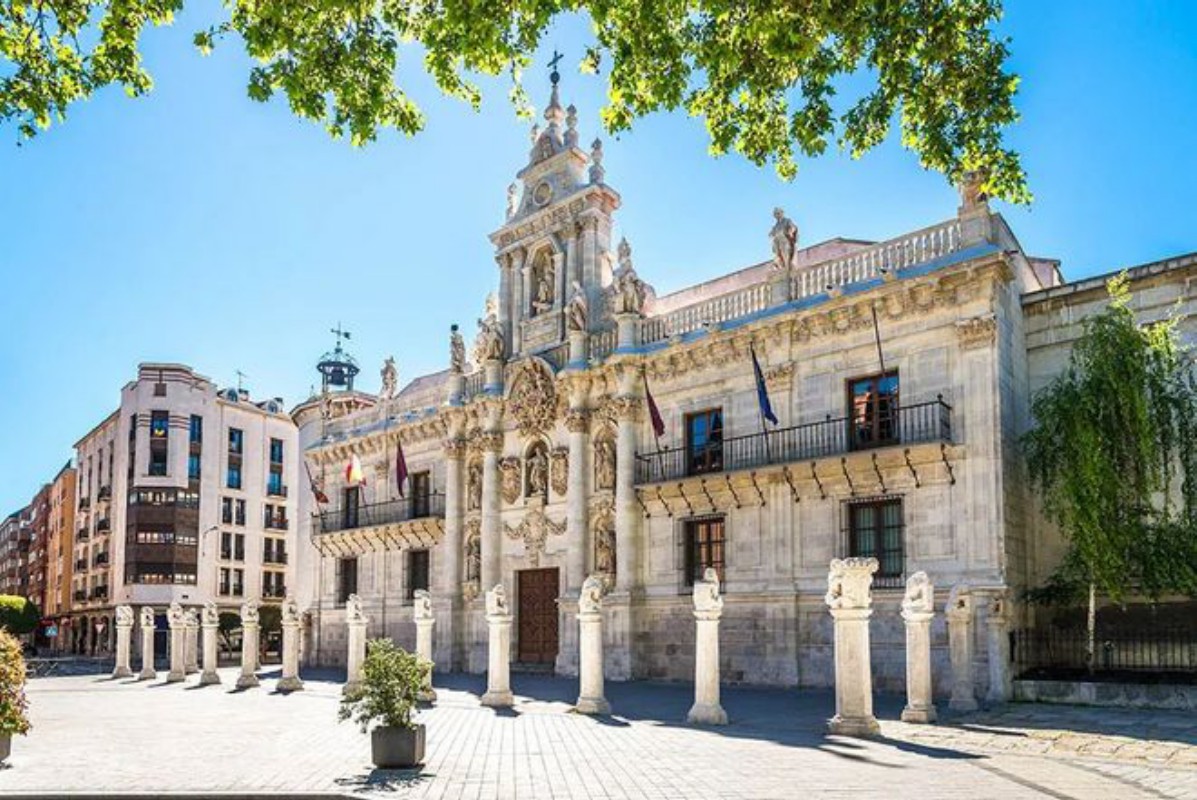
How to Choose an International School?
Spain has a great number of international schools, especially in major cities like Madrid and Barcelona. The main curriculums offered are typically British, American, and the International Baccalaureate (IB). We focused our search on schools offering the British and IB systems. The A-Level system seems better suited for students who have a clear idea of their future specialization early on, as it requires them to focus on just 3-4 subjects in their final two years. In contrast, the IB program promotes a more well-rounded development, balancing sciences and humanities, and includes extracurricular activities. It feels like a better fit for developing a child’s overall abilities, though it can be more demanding. Our child has broad interests and hasn’t settled on a specific path yet, so we felt the IB was a better match.
Tuition Fees and Application
Tuition is a major consideration. Fees can vary significantly between schools and grade levels. Generally, you can expect to budget anywhere from €10,000 to over €20,000 per year. I highly recommend checking the “Fees” or “Tarifas” section on the official website of any school you’re interested in for the most accurate information.
The application process is quite similar across most schools and generally involves these steps:
- Submit an online application form with all the required documents.
- After reviewing your application, the school will invite you for an interview and/or an entrance exam.
- After a successful evaluation, which is a standard process at Spanish international schools, you’ll receive an offer. You then need to pay a registration fee to secure the spot.
The key takeaway is: Apply well in advance! Good schools have very limited spots and long waiting lists. We applied a bit late and our first-choice school was already full. Luckily, our second choice worked out, but it was a close call.
Here is a simple comparison of the common curriculums I put together for a quick reference:
| Curriculum | Core Features | Best Suited For |
|---|
| IB | Emphasizes broad knowledge, interdisciplinary inquiry, and critical thinking | Students with strong all-around abilities who haven’t decided on a specialization. |
| A-Level | Allows students to focus deeply on 3-4 of their strongest subjects | Students who have identified their academic or career interests early on. |
| American High School Diploma / AP | Flexible course selection; AP courses offer college-level studies and potential university credit | Students aiming for U.S. universities or those who prefer freedom in course selection. |
Choosing a school for your child is a major decision. There’s no “best” school, only the “right fit.” I recommend attending Open Days at several schools to get a feel for the atmosphere, facilities, and faculty yourself. Talking to parents who already have children enrolled can also provide insights that are often more valuable than the official brochures. I hope all your kids find a school they love! Feel free to discuss any questions in the comments below.
