Hola, neighbors! I recently got my hands on an old Chalet with stunning views here in Andalusia, but the house itself… well, it was definitely showing its age. To turn it into my dream home, I’ve been navigating the world of renovation, hitting a few bumps but also learning a lot along the way. I’m starting this thread to share my experiences, hoping it can help others who are also planning to settle down in Spain.
Permits Are the Top Priority
The first thing to talk about is the permit! This is absolutely the first step, and it’s something you can’t ignore for small villa designs in Spain. In Spain, renovations are classified as either Obra Mayor or Obra Menor. Major changes like altering the building’s structure, modifying exterior walls, or adding a new floor fall under Obra Mayor. This requires an architect to create blueprints for a city hall application, and the process is quite long. On the other hand, minor interior changes like painting walls, replacing flooring, or updating kitchen and bathroom fixtures only need an Obra Menor permit, which is much faster. Always check with your local city hall before starting any work; otherwise, you could face big trouble from neighbor complaints or when you decide to sell the house in the future!
On Design Styles and Budget
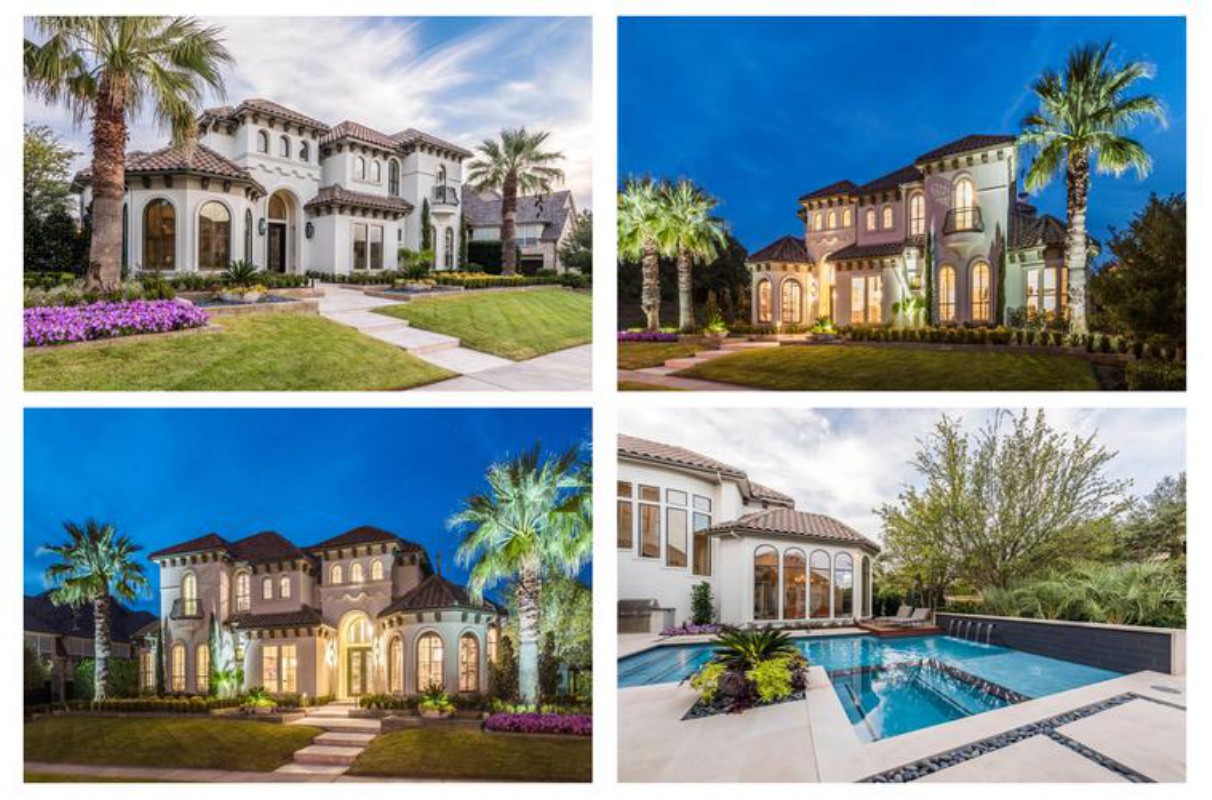
For the design, I’m personally a huge fan of the Mediterranean style—white walls, natural wood, and touches of blue create a really relaxing vibe. However, a mix of modern minimalist and traditional rustic styles is also very popular right now. A key consideration is the intense southern sunlight and the need for proper insulation, so choosing the right doors, windows, and materials is crucial. When it comes to money, it can definitely be a bottomless pit. To keep the budget under control, I created a rough allocation chart that you can use as a reference:
| Item | Budget % | Notes |
|---|
| Design & Permits | 10% - 15% | Includes architect and technician fees |
| Structural & Utilities | 25% - 30% | This is the biggest chunk for Spanish villa design, especially in old houses |
| Windows, Doors & Flooring | 15% - 20% | Insulation and soundproofing depend on this for Spanish villa design |
| Kitchen & Bathrooms | 15% | Appliance costs vary widely |
| Paint & Furnishings | 10% - 15% | Budget is flexible, but has the most visual impact |
| Misc. & Contingency Fund | 5% - 10% | Always set aside a contingency fund! |
Lessons Learned the Hard Way
Finally, let me share a few tips. First, never hire a construction team that works ‘without IVA’ (sin IVA) just to save money. If problems arise later, you’ll have no recourse. Always sign a formal contract and check if they have insurance. Second, labor costs in Spain are high. While you might do a lot of DIY, leave professional work like plumbing and electrical to the experts. Third, be generous with your project timeline. The work pace here… well, you know how it is. With all the holidays and ‘puentes’ (long weekends), work can stop at any moment. It’s important to be mentally prepared and maintain a zen-like attitude.
That’s all I can think of for now. The whole process is tough, but seeing the old house transform into the home you’ve always wanted is incredibly rewarding. Have any of you encountered any unique problems or have great advice from your own renovation projects? Feel free to share and discuss below!
