A friend recently asked me about their dream of living in the Spanish countryside, wanting to find a house with a yard and some land. They wondered if this is what’s known as a Finca. It’s a term you hear often, but what it actually means isn’t always clear, even to me at first. So, I’ve done a bit of research and wanted to share what I found to start a discussion.
First, it’s important to understand that Finca Rustica is a very broad term in Spanish, literally translating to ‘rural property.’ It doesn’t refer to a specific architectural style of a villa; the core concept is that it’s located on ‘rural land.’ Therefore, these Spanish country homes can range from a luxurious estate to an old stone house needing a complete renovation. The key feature is that it almost always comes with a plot of land, large or small. This land could be an olive grove, a vineyard, or just an empty plot, and this greatly affects the price of rural properties in Spain.
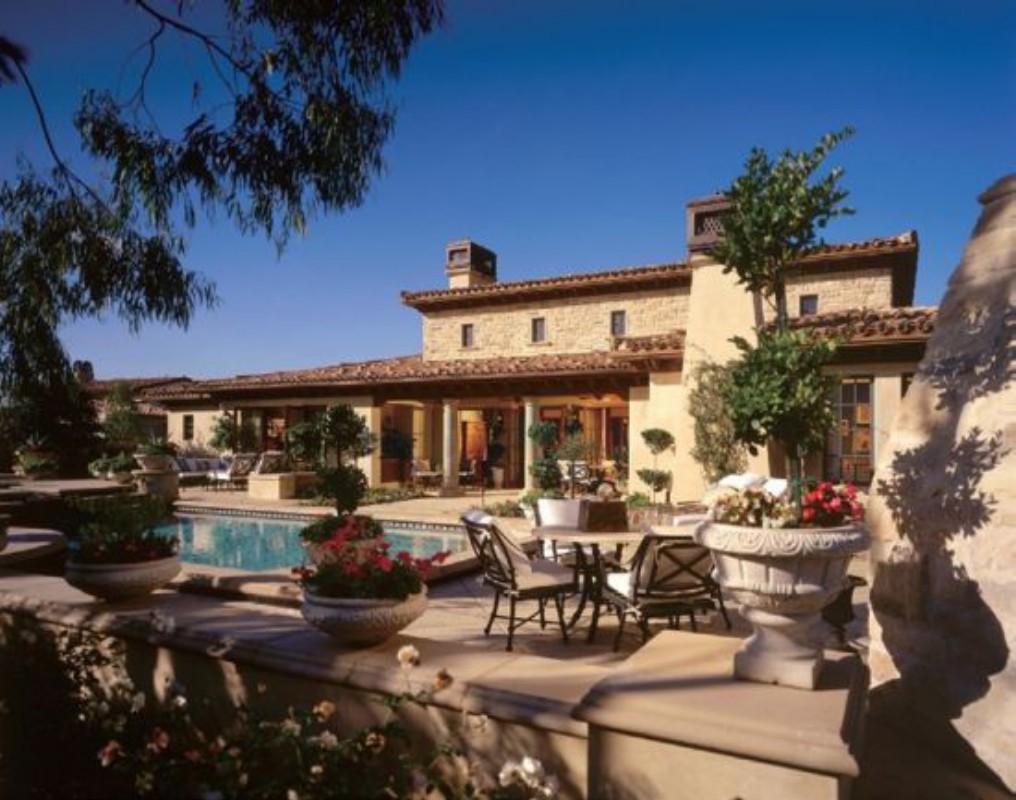
Distinctive Regional Styles
The style of Fincas varies greatly from one region of Spain to another, which is fascinating. For instance, in the southern region of Andalusia, you’ll often find whitewashed houses with a central courtyard, known as a Cortijo. In Catalonia, on the other hand, you’re more likely to see ancient, sturdy-looking stone farmhouses called a Masía. So, when you’re house-hunting, the regional style is an important factor to consider, as each has its own unique charm.
To make it clearer, I’ve put together a simple table outlining what I see as the pros and cons, which goes beyond just looking at the prices of rural Spanish properties:
| Pros | Cons |
|---|
| Huge space, great privacy | Often in remote locations with poor transport links |
| Lower price compared to urban properties of the same size | High maintenance costs and significant repair work |
| Enjoy peaceful natural surroundings | Utilities like water, electricity, and internet may be unreliable |
| Opportunity to grow your own vegetables and raise animals | More complex legal issues |
Finally, a word of caution: if you’re seriously tempted, pay close attention to the property’s legal status. Many Fincas have legal discrepancies, for instance, a house built on agricultural land that lacks a residential permit. This is the biggest pitfall. Hiring a reliable lawyer to conduct due diligence is absolutely essential! I wonder if anyone on the forum is already living in a Finca? Could you share your real-life experiences?
