Lately, more and more friends on the forum have been talking about property, especially villas in Madrid. The information seems a bit scattered, so I’ve organized what I know to hopefully help those who are considering or just curious. This is purely based on my personal experience, and everyone is welcome to discuss and add to it!
First, Let’s Understand the Types of Villas in Madrid
When I first came to Spain, I thought all villas were the same, but I later discovered there’s quite a bit to it. In Madrid, the ‘Chalet’ we often talk about mainly comes in three types, which vary greatly in privacy, garden size, and price.
| Type | Spanish Term | Characteristics | Best For |
|---|
| Terraced House | Chalet Adosado | A row of houses sharing both side walls, usually with a smaller garden. The most affordable option. | Families on a budget who want living space and a sense of community. |
| Semi-detached House | Chalet Pareado | Two houses sharing one wall, offering more privacy and a larger garden than a terraced house. | Families looking for a balance between privacy and neighborly relations. |
| Detached House | Chalet Independiente | A standalone property with complete private space and a garden. The most expensive option. | Families seeking a high-quality lifestyle with an emphasis on privacy and space. |
Which Areas Are Worth Focusing On?
Choosing an area is basically choosing your lifestyle, and it really depends on your budget and needs. Generally speaking, the villa districts in the north and northwest of Madrid are more established.
Affluent and Traditional High-End Areas
If you have a generous budget, you should definitely look at places like La Moraleja, Pozuelo de Alarcón, and Majadahonda. The environment is impeccable—lots of greenery, very quiet, and surrounded by top-tier international schools and commercial facilities. Of course, the prices are top-of-the-market.
Value-for-Money Options
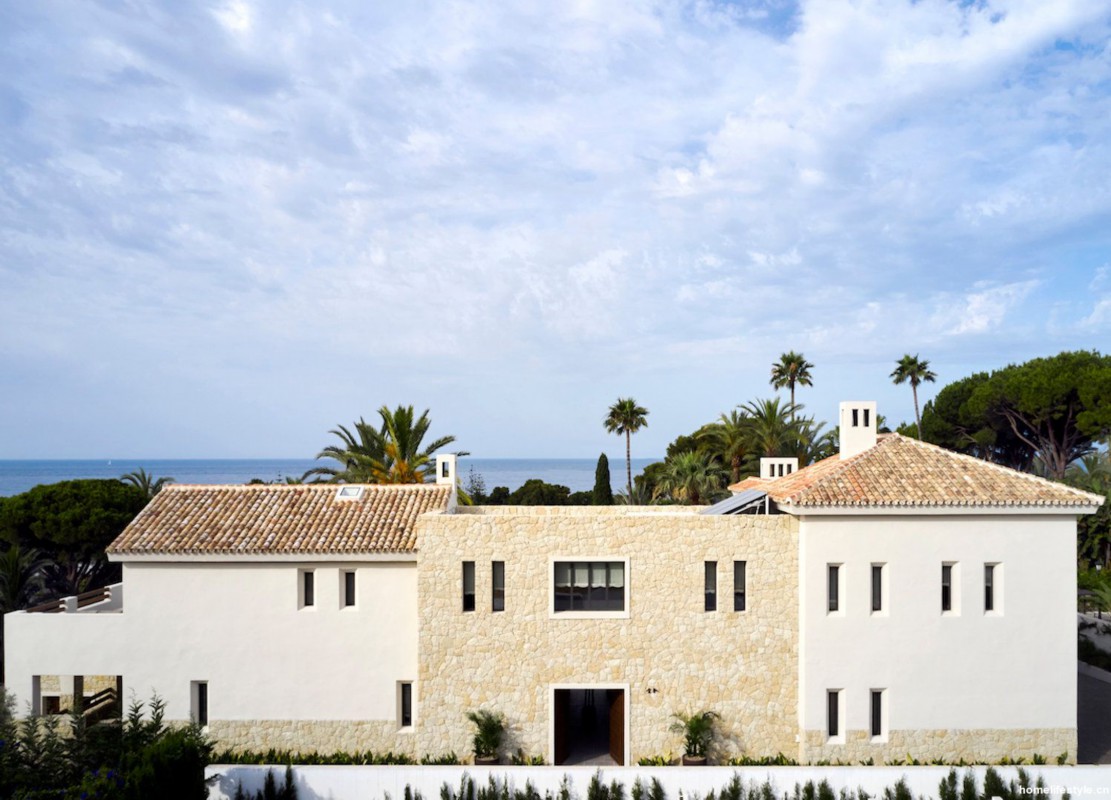
If you’re looking for better value, you can look a bit further out, for example, in Las Rozas, Boadilla del Monte, or some municipalities further north. These areas have mature communities, convenient amenities, and decent transportation, making the commute to the city center manageable. Many middle-class Spanish families live in areas like these, as discussed in this post about villas on the hills of Madrid.
Some Final Notes on Buying
Finally, a few points to keep in mind during viewings. First, be sure to ask about the monthly ‘Comunidad’ (community fees), as the maintenance costs for public facilities in some developments can be quite high. Second, the property’s orientation is very important; a south-facing house gets plenty of sun in the winter, which can save a lot on heating bills. Also, if it has a swimming pool, check its maintenance condition, as this can be a significant ongoing expense. Many people think the spending is over once you buy, but ongoing maintenance is actually the biggest part. Lastly, personally inspect the surrounding area. Check the actual distance to bus stops, supermarkets, and schools—don’t just take the agent’s word for it.
That’s all I can think of for now. I hope this gives you a basic overview. Are you looking at properties in any particular area? Or do you have any ‘pitfall’ experiences to share? Feel free to leave a comment below and let’s chat!
