While browsing Idealista recently, I’ve often come across some surprisingly affordable rural castles or stone villas for sale, some even cheaper than a standard apartment in downtown Madrid. Every time, I can’t help but get excited, fantasizing about sipping coffee in a centuries-old tower, gazing out at the olive groves… I’m sure I’m not the only one with this ‘castle dream,’ right? But a dream is one thing; before you actually take the plunge, there are quite a few ins and outs to consider.
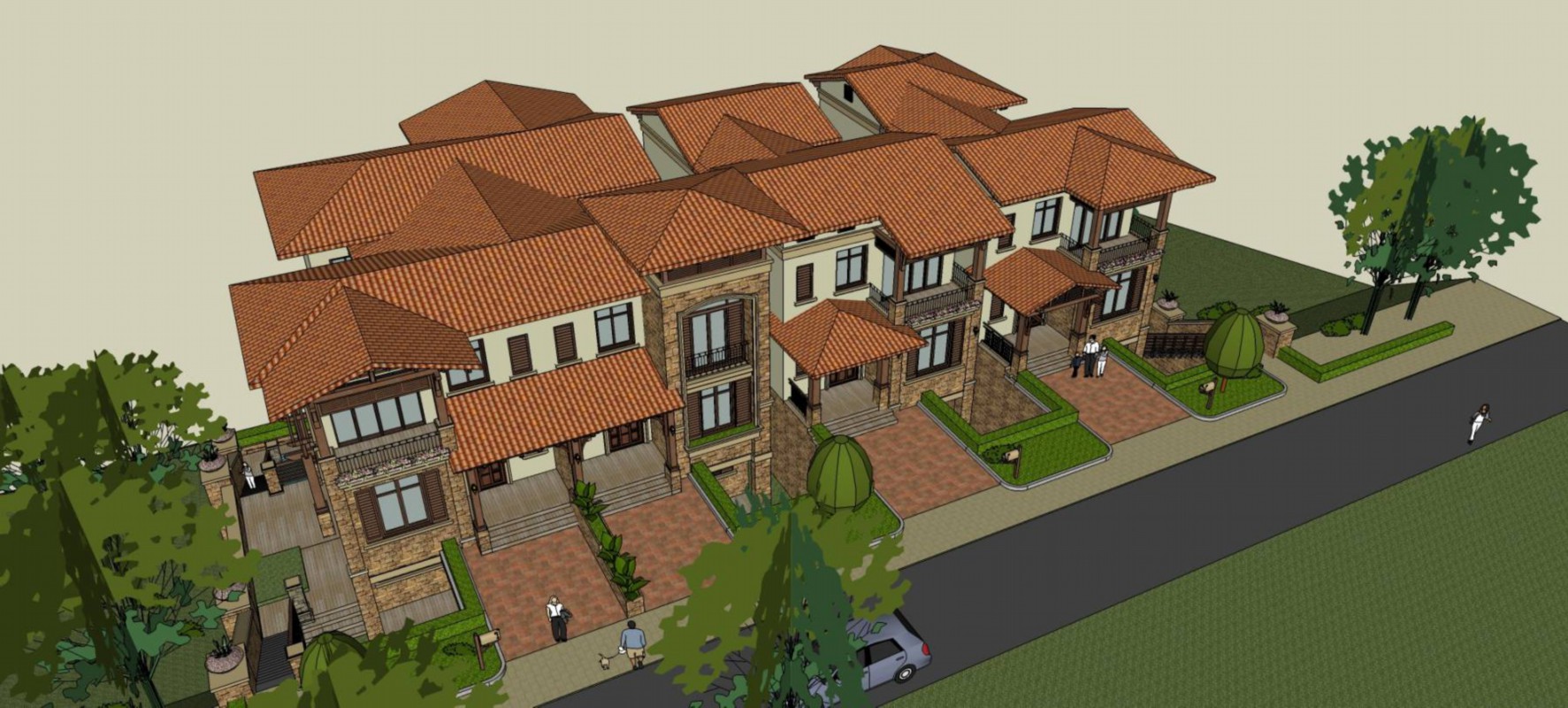
These types of properties are mostly concentrated in Spain’s interior, especially in historic regions like Castilla y León, Castilla-La Mancha, Aragón, and Extremadura. Prices vary dramatically, from ruins needing a complete rebuild for around a hundred thousand euros to well-maintained estates costing several million. To give you a clearer picture, I’ve put together a brief overview based on what I’ve seen, including different types of Spanish rural villas
:
| Property Type | Condition | Approx. Price | Features |
|---|
| Torreón (Tower) | Needs complete restoration | €100k - €300k | Small area, unique structure, great renovation potential |
| Palacio Rural (Rural Palace) | Structurally sound, needs interior renovation | €400k - €800k | Large space, usually with a courtyard or small plot of land |
| Castillo Completo (Complete Castle) | Ready to move in | €1 million+ | Rare, extremely high maintenance costs, often used for commercial purposes |
The Reality Behind the Romance: Maintenance Costs
Now, it’s time for a reality check. Buying the castle is just the first step. And they lived happily ever after? Not quite. The real expense lies in the subsequent maintenance and repairs. First, as a historic building, any renovation may require approval from the local cultural heritage department. You must use specific materials and hire certified artisans, which is very costly. Second, annual property taxes and insurance are a significant fixed expense. Finally, and this is the killer—heating
! Anyone who has lived in a stone house knows how cold it gets in winter. The heating bill for one season could easily reach thousands of euros, affecting the overall Spanish rural villa prices
.
If you can overcome these challenges, the experience of living there is absolutely unique. The feeling of touching centuries-old stone walls and sensing the weight of history is something no modern apartment can offer. You’ll have enormous space to create your own garden, wine cellar, or even a studio. The pace of life will slow down completely, with your days filled with the sound of birds and wind instead of the hustle and bustle of traffic below. But you also need to be prepared: the nearest supermarket might be a half-hour drive away, your social circle will shrink, and a little rustle in the yard at night might genuinely give you a scare.
Owning a historic castle or villa in Spain is a sweet but heavy burden. It requires sufficient funds, abundant energy, and a true love for the countryside and history. It’s not for everyone, but for those seeking a unique lifestyle, it is an attainable dream that goes beyond just looking at Spanish rural villa prices. Does anyone here have friends who have actually bought such a property? Or what are your thoughts on this kind of life? Feel free to discuss in the comments below
!
