Lately, I’ve been researching rural properties in Spain and stumbled upon a very unique type of home—the cave house, or ‘Casa Cueva.’ These are mainly concentrated in Andalusia, especially in the Guadix and Baza areas of Granada province. The pictures look incredibly cool, warm in winter and cool in summer. Plus, the prices listed on many real estate websites are shockingly low
! Some are even listed for just thirty or forty thousand euros. It really got me thinking: can you actually become a ‘cave owner’ in Spain for just tens of thousands of euros? If anyone knows about this, let’s dive in and discuss.
These aren’t primitive caves; they are traditional local dwellings, many of which have been modernized with full access to water, electricity, and internet. The interiors are often renovated to be just like regular villas, sometimes even more unique. Their biggest selling point is the natural ‘central air conditioning’ effect. Thanks to the thickness of the rock, they maintain a constant temperature of around 18-22°C year-round. When it’s a scorching 40°C outside in the summer, it’s wonderfully cool inside. In the winter, while it’s freezing outside, the cave stays warm. You could save a fortune on utility bills alone each year!
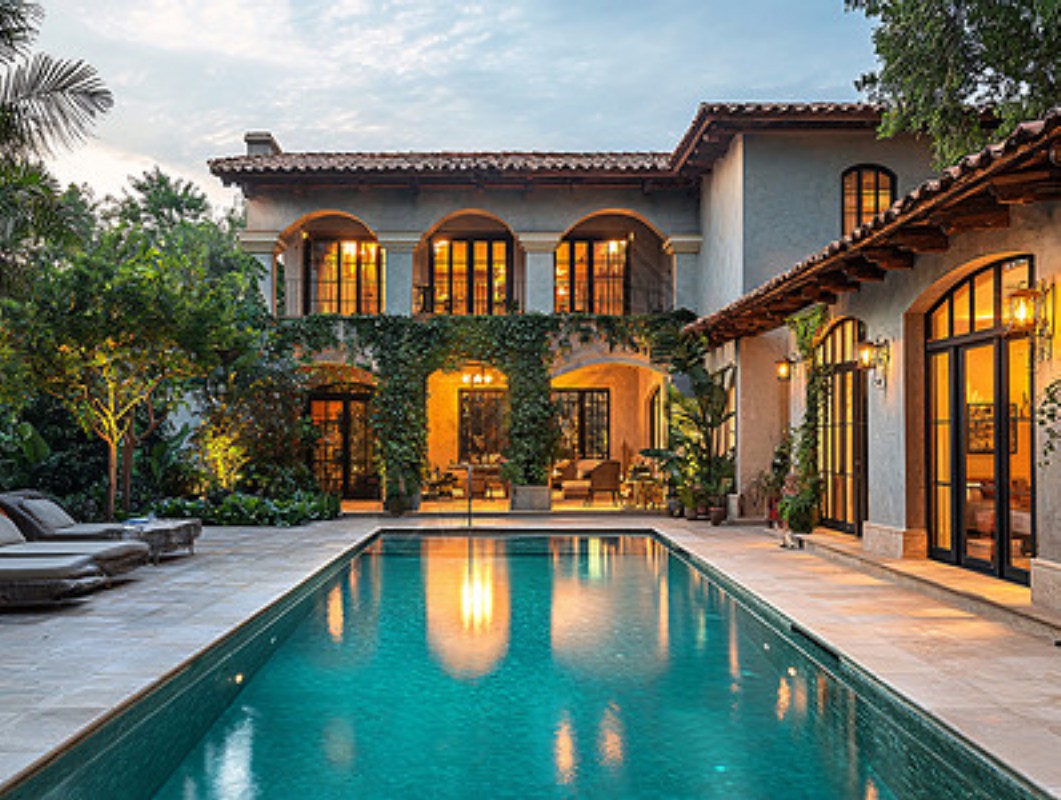
So, What Are the Prices Really Like?
I did some research, and the price range is quite wide, depending mainly on the condition, size, and location. I’ve made a simple table for your reference:
| Price Range | Condition | Notes |
|---|
| €20,000 - €50,000 | Needs complete renovation | Basically an unfinished shell. Utilities for these [cave houses] |
| may need to be reconnected, making it ideal for those with strong DIY skills. |
| €60,000 - €120,000 | Good condition, ready to move in | Most options on the market fall into this range, with decent renovation and fully equipped with appliances. |
| €150,000+ | Luxuriously renovated, with a garden/pool | Usually consists of several interconnected caves, offering a large area, private land, and sometimes even a cave pool. |
But everything has its pros and cons. The advantages of cave houses are energy efficiency, tranquility, low cost, and a unique living experience. However, the disadvantages must also be carefully considered. For instance, natural light is often not as good as in a regular house, with windows only on the front facade. There can be issues with humidity, requiring a good ventilation system. Additionally, due to their unique structure, renovating the interior layout can be more complex than, say, designing [Spanish gardens]. Moreover, while their cost is low compared to general [Spanish rural villa prices], most cave houses are located in more remote villages where amenities and transportation might not be as convenient.
I think a Casa Cueva is an excellent choice for those seeking a unique living experience, who love peace and quiet, or who want to run a distinctive B&B. But if you have high standards for natural light and convenience, you might want to think twice. Are there any friends on the forum who have lived in or bought a cave house? Please share your real-life experiences! I’m already starting to dream about my cave pool, haha!
