I’ve been house-hunting recently, and the more I look, the more I’m captivated by the character of old Spanish houses. I’m not talking about modern Chalets, but the truly historic stone mansions you often see in the countryside. After a bit of research, I discovered that these old estates have specific names depending on their region and function—they can’t all just be lumped together as ‘villas’.
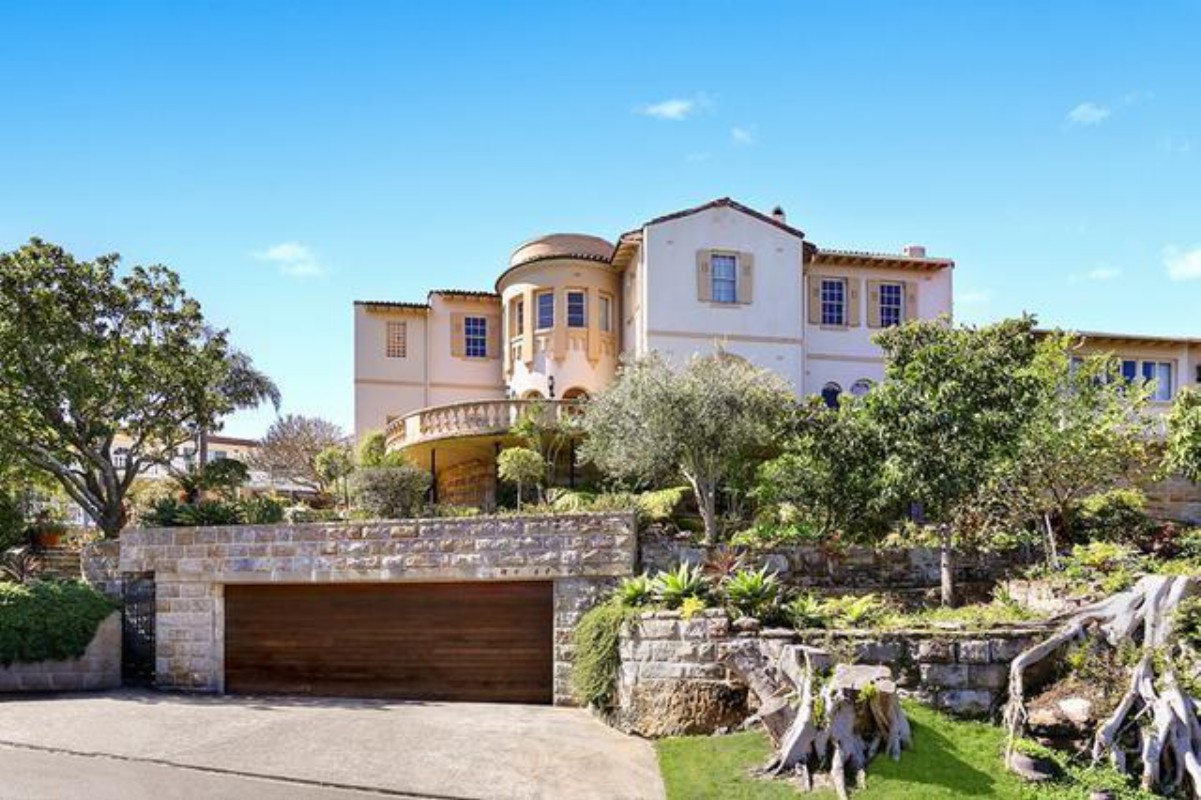
A Glimpse into Spain’s Unique Traditional Homes
The most common types include:
Masía: Primarily found in Catalonia. These are typically large, historic, and sturdily built stone farmhouses in the countryside, surrounded by extensive land. Originally self-sufficient agricultural units, many have now been converted into boutique hotels or private luxury homes. Living in one feels like stepping back to the Middle Ages.
Cortijo: This is a typical architectural style of Andalusia, often considered a type of Spanish mansion. They are characterized by their white-washed walls and a central courtyard, perfectly suited for the hot, dry climate of the south. Many Cortijos are still connected to olive groves, vineyards, or horse farms, making them an ideal choice for experiencing the Andalusian lifestyle.
Pazo: Mainly found in Galicia. The name itself sounds quite grand, as it’s closer to an aristocratic manor or a small palace. Usually built from granite, they boast a magnificent architectural style, often featuring towers, coats of arms, and private chapels. Owning a Pazo is a true status symbol.
There’s also a broader term, Finca, which generally refers to any rural property with land. It can be any of the types mentioned above, or simply a plot of land with a more modest house on it.
Considerations for Buying and Renovating
The dream is wonderful, but you need to be realistic before buying such an old property. Many of these properties are classified as suelo rústico (rural land), which comes with many legal restrictions on renovation and expansion. Furthermore, the maintenance costs for these luxury Spanish villas can be extremely high. Electrical systems, plumbing, roof waterproofing, structural reinforcement… each of these tasks can become a bottomless money pit, much like any Spanish villa project. It’s best to have a professional architect and lawyer conduct a thorough assessment before purchasing. Otherwise, your dream of idyllic country living and the reality of constant weeding could turn into a nightmare.
| Type | Main Region | Key Features |
|---|
| Masía | Catalonia | Sturdy stone farmhouse |
| Cortijo | Andalusia | White-walled complex with a central courtyard |
| Pazo | Galicia | Aristocratic manor, often with towers/chapels |
I wonder if anyone on the forum has experience with these kinds of old houses? Whether you live in one or have invested in one for a holiday rental, feel free to share your experiences or any pitfalls you’ve encountered!
