Having recently moved to Spain, what fascinates me most are the patio villas hidden away in the deep alleys. Especially in the south, the white walls, blue flower pots, and the gentle sound of water make you feel like life’s pace has slowed down. It’s not just a place to live; it’s a philosophy of life rooted in history and culture.
What is a True Spanish Patio?
Many people think a patio is just a backyard, but that’s not entirely accurate. A traditional Spanish patio, especially the Andalusian style, is the center of the entire home. Originating from Roman and Moorish architecture, it’s an open-air space surrounded by rooms. Its core function is to provide a cool, private family hub during the hot summer, a concept central to the Spanish patio. Families eat, chat, and cool off here; it truly is the heart of the home.
The Core Charm of a Patio
A typical Spanish patio is full of life. The whitewashed walls reflect the intense sunlight, keeping the patio cool. The floors and walls are often covered with colorful, beautifully patterned hand-painted tiles. In the center, there is usually a small fountain or pool; the sound of water is not only pleasant but also effectively lowers the temperature. Of course, flowers are essential! Geraniums, bougainvillea, jasmine… hanging on the walls, placed on the ground, create a vibrant and lively atmosphere.
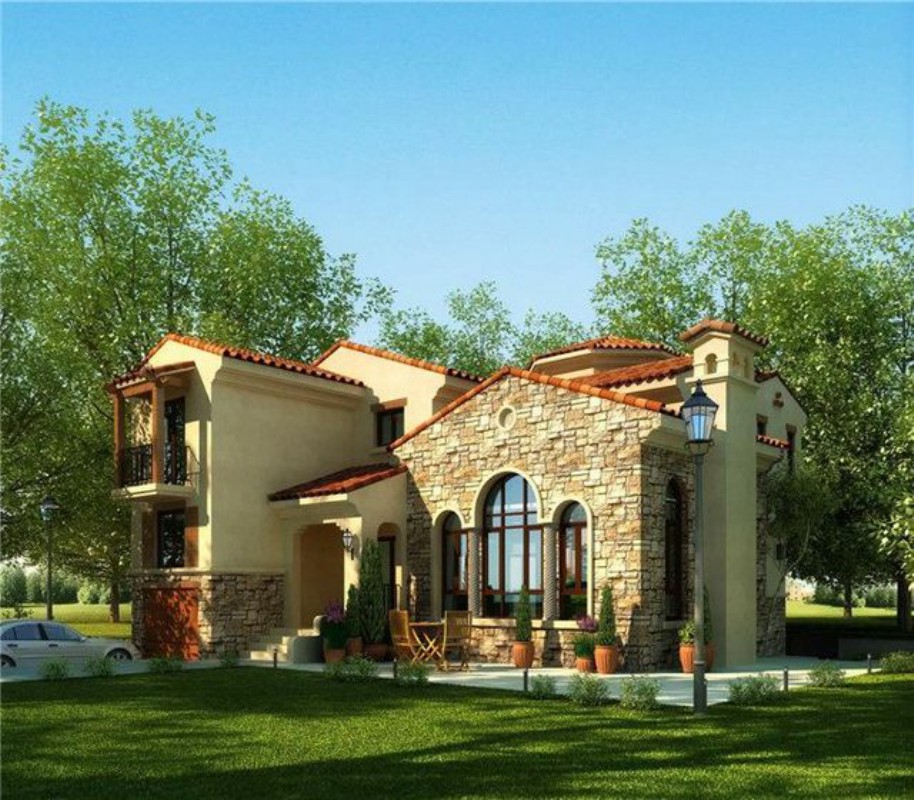
Living in this type of house has its pros and cons; you can’t judge it by its looks alone. I’ve put together a simple table as a reference for those who are considering one:
| Pros | Cons |
|---|
| Extremely private | Maintenance costs |
| A natural “air conditioner” in summer, very cool | Some rooms may have limited natural light |
| Aesthetically pleasing with a great lifestyle vibe | Potential mosquito problems, which can be addressed with good Spanish patio design |
| Provides a safe outdoor activity space | Can feel damp and cold in the winter, a common trait of an Andalusian patio |
Many newly built villas now incorporate this design, blending the traditional patio concept with a modern, minimalist style to create spaces better suited to contemporary lifestyles. For instance, using glass curtain walls instead of traditional walls to increase natural light. I’m curious, do you prefer the lush, flower-filled, old-school traditional patios of Córdoba, or do you lean towards the modern, architecturally designed new-style patios? Feel free to share your thoughts and discuss below!
