When I first moved to Spain, I often heard the term ‘Chalet’ and pictured it as a grand villa with a yard—many people’s dream home. It wasn’t until I’d lived here for a while that I realized there are several kinds of chalets in Spain, each with its own characteristics. Today, I’d like to share what I’ve learned on this topic.
Main Types of Chalets
In Spain, what we call a Chalet can be broadly divided into three main categories. It’s essential to distinguish between them when buying or renting a home:
Chalet Independiente : A fully detached house, not connected to any neighbors, offering the highest level of privacy. It usually has the largest garden and plot of land. Naturally, it’s also the most expensive.
Chalet Pareado : This is a semi-detached house where two homes share one common wall. Its privacy is less than that of an Independiente but generally better than an Adosado, with more moderate prices and maintenance costs.
Chalet Adosado : This refers to a terraced or townhouse where each unit is part of a row, sharing walls on both sides with its neighbors. This type often comes with communal facilities like a swimming pool and gardens, and community fees are a given.
For a more direct comparison, here’s a simple table I made:
| Type | Privacy | Price Level | Maintenance Cost | Common Community Facilities |
|---|
| Independiente | High | High | High | Few |
| Pareado | Medium | Medium | Medium | May have Spanish villa entrances |
| Adosado | Low | Relatively Low | Low | Common |
The Common Charm of Spanish Villas
Regardless of the type, most Spanish villas share a few core elements: sunshine, a courtyard, and a relaxed lifestyle. A patio or jardín for barbecues, a terraza for an afternoon siesta, and if you’re lucky to find one with a great Spanish decoration style, a refreshing piscina (pool). The classic white walls with red tiles, and a few lemon or olive trees in the yard—this is the authentic taste of Spain.
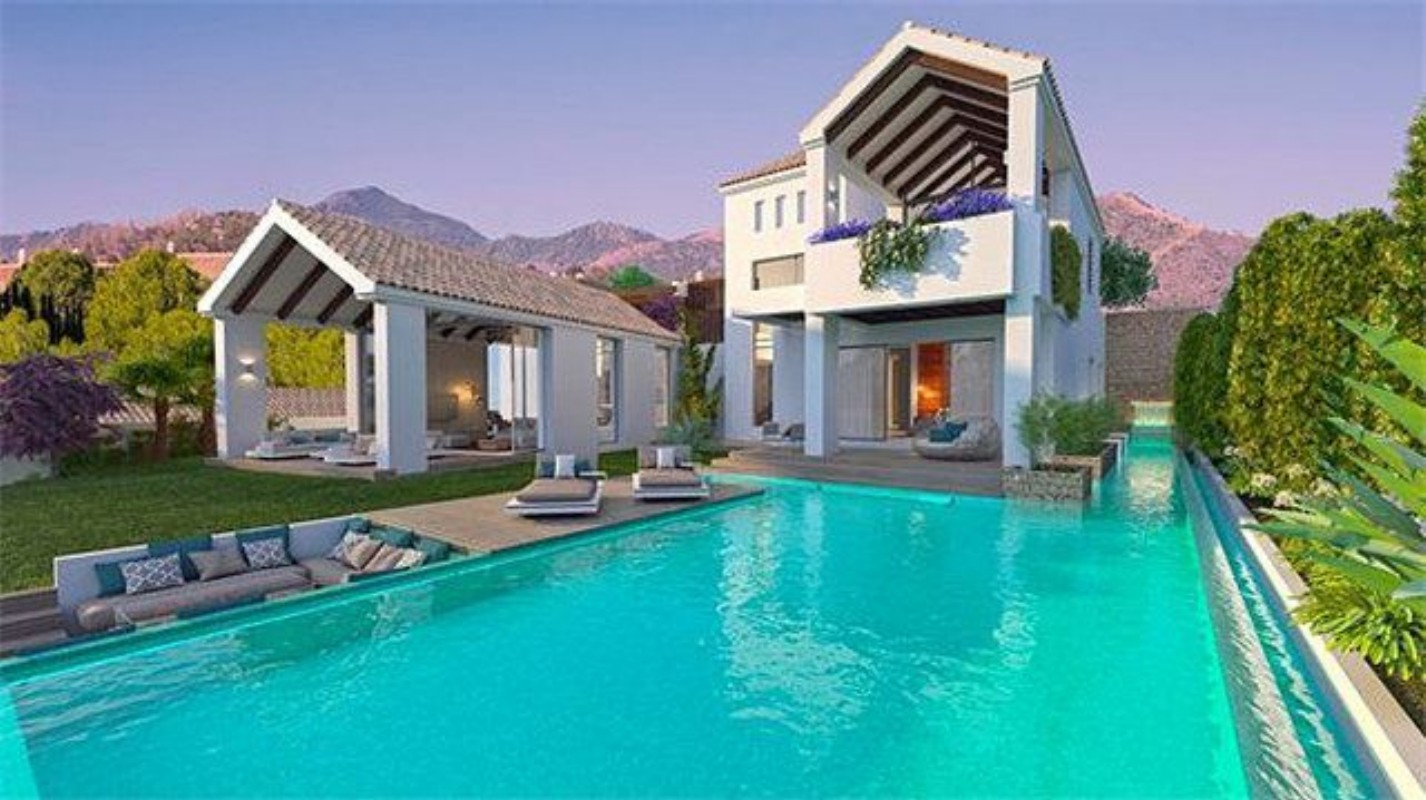
The choice of chalet really depends on your personal budget and lifestyle needs. If you’re looking for absolute privacy and space, an Independiente is the clear winner. For those who want a neighborly atmosphere without too much noise, a Pareado offers a good balance. And for young families on a tighter budget who enjoy community living and are exploring different Spanish villa styles, an Adosado is an excellent fit. Of course, who wouldn’t want to live in a grand estate if money were no object? Which type do you prefer? Feel free to share your thoughts in the discussion below!
