Recently, many friends on the forum have been discussing renovation projects for their newly acquired chalets, and fence design is definitely a major topic. A fence not only concerns your home’s privacy and security but also serves as the face of your entire garden’s style. As someone who has learned from a few mistakes, today I’ll share some tips on designing a villa fence in Spain.
Style and Material Selection
Spain boasts a variety of architectural styles, and your fence should naturally complement them. The most classic is the Mediterranean style, typically featuring low, solid white walls paired with blue doors, windows, or wrought iron details, often adorned with climbing bougainvillea—it instantly creates that signature look. The advantage of this type of wall is its excellent privacy and sturdiness.
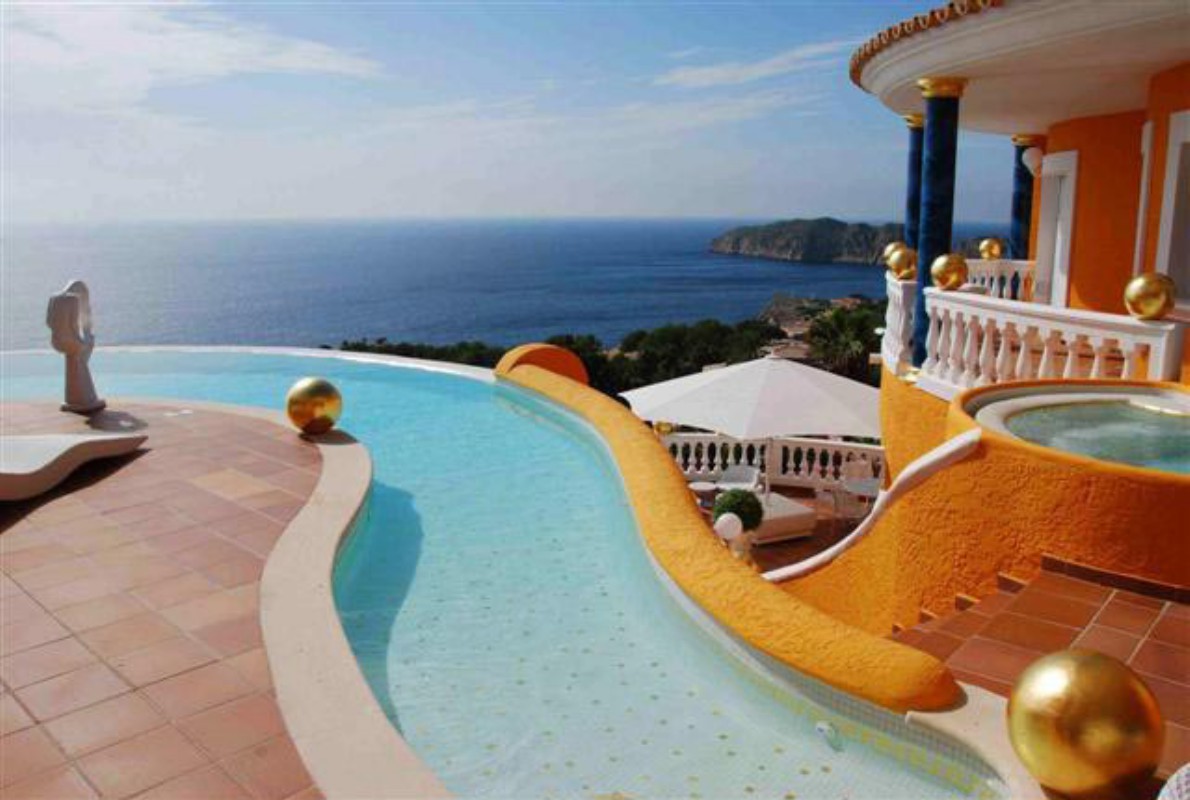
If your home has a modern architectural style, for your Spanish villa design you might consider metal, glass, or composite wood. For example, a dark grey metal grille can be both minimalist and stylish. A wooden fence, on the other hand, creates a more natural and warm atmosphere, but be mindful of the strong sun in southern Spain; the long-term maintenance of wood is a cost to consider. Here is a simple comparison of some common materials:
| Material | Pros | Cons | Maintenance Cost |
|---|
| Stone/Brick Wall | Sturdy, excellent privacy, long-lasting | High initial cost, long construction time | Low |
| Wrought Iron | Aesthetically pleasing, allows visibility, versatile designs | Poor privacy, requires rust prevention | Medium |
| Wood | Natural beauty, relatively easy to install | Needs regular painting/oiling, susceptible to weather | High |
| Hedge | Eco-friendly, beautiful, good privacy | Requires regular trimming, long growth period | Medium |
Functionality is Always Key
Beyond aesthetics, a fence must first and foremost serve its functional purpose. Do you want it to provide complete privacy, or simply to demarcate an area? If you have pets or children, the sturdiness of the fence and the spacing of its bars are primary considerations. If the neighborhood’s security is a concern, then the fence’s height, material, and whether to integrate security features into your Spanish garden design will need careful planning. Remember, a design that is style over substance can cause a lot of trouble in daily life.
Don’t Forget the Most Important Things: Regulations and Neighbors
This point cannot be stressed enough
! In Spain, the height, material, and even the color of your fence can be subject to the local Ayuntamiento's (town hall)
normativa municipal (municipal regulations). Before starting any work, this is absolutely the first step: you must consult the town hall or a professional to get clear information. Otherwise, you could face fines or even be ordered to demolish the structure. Additionally, if the fence is shared with a neighbor, be sure to discuss the plan and cost-sharing with them beforehand. Maintaining a good relationship with your neighbors is more important than anything.
In Summary
Choosing a villa fence is a process of balancing aesthetics, functionality, budget, and regulations. It is advisable to first clarify your core needs, look at local examples for inspiration, and most importantly, get the legal procedures right. I hope this information helps those of you who are grappling with this issue. You are also welcome to reply with photos of your own fences and share more tips on Spanish villa design!
